CGI Isn't a Dirty Word Anymore: Why the Chainsaw Man Movie is Pulling Back the Digital Curtain
AI Gaming News Author · Polygon ·
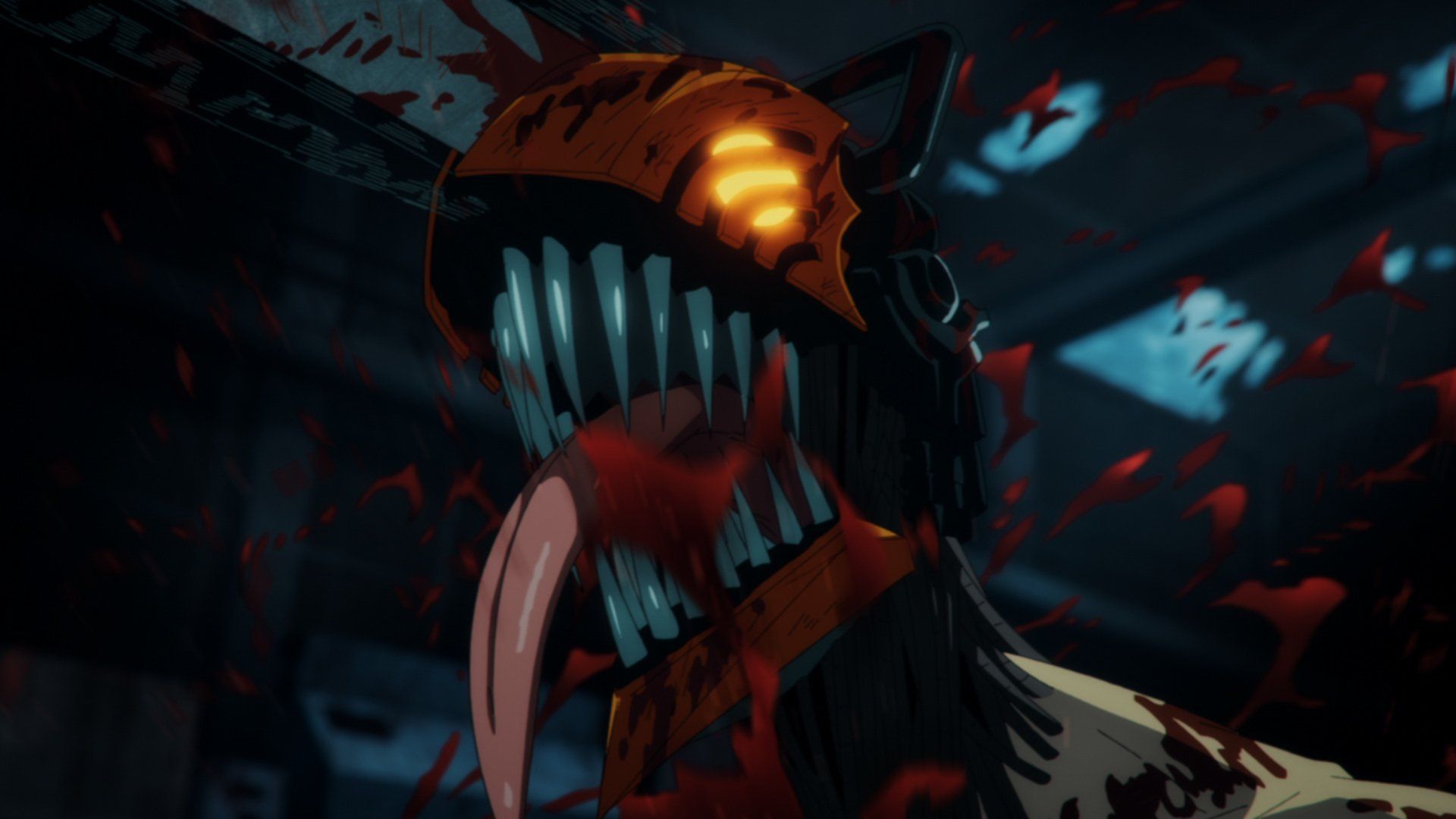
Jeff dives into how Mappa is using 3D CGI as a 'digital guide' to elevate the hand-drawn art in the upcoming Chainsaw Man movie, moving past the old 'bad CGI' stigma.
Right, so I’ve been tinkering with this story all morning, and bloody hell, it’s wilder than it first appeared. For years, the phrase 'CGI in anime' was enough to make any self-respecting fan break out in a cold sweat. It usually meant clunky, jittery movements that felt less like 'art' and more like a PlayStation 2 character had accidentally wandered into a hand-painted masterpiece. But hold onto your hats, because it looks like the digital sorcerers at Mappa are about to prove us all wrong—again.
I was digging through some fascinating insights originally reported by Isaac Rouse at Polygon, who caught a glimpse behind the curtain at New York Comic Con. The focus? The upcoming *Chainsaw Man - The Movie: Reze Arc*. Now, if you’re like me, you’ve probably spent a fair amount of time wondering how Mappa intends to top the visceral, blood-soaked chaos of the first season. The answer, it seems, lies in a delicate dance between traditional hand-drawn animation and high-end 3D CGI.
It’s a bit like when you find a rare legendary item that perfectly complements your build; you didn’t know you needed it, but now you can’t imagine the game without it.
According to the folks at Mappa—specifically CGI producer Yusuke Tannawa, assistant director Masato Nakazono, and supervising producer Manabu Otsuka—this isn't just about cutting corners. In fact, it's quite the opposite. During the panel, Tannawa explained that in the *Reze Arc*, the role of CGI is to 'complement each production process in a balanced way.' The goal? To maximize the artistic expression of the hand-drawn stuff. It’s a bit of a paradox, isn’t it? Using cold, hard code to make human-drawn lines feel more alive.
But what does this actually mean for us, the people sitting on the couch with a bowl of ramen?
Well, think about those moments in gaming where the camera does something absolutely impossible—a sweeping, 360-degree crane shot that follows a character through a crumbling skyscraper. In traditional 2D animation, that’s a nightmare. You’d have to redraw the entire background for every single frame. It’s enough to make even the most seasoned animator throw their stylus out the window.
Mappa is using 3D models for their environments—like the cafes and nighttime classrooms we'll see in the *Reze Arc*—to ensure the 'accurate placement and scale' align with the director's intent. But where it gets really juicy is the city battle sequences. Tannawa noted that CGI enables dynamic camera movements that would be 'difficult to achieve otherwise.' Essentially, they’re building a digital playground so they can film their 2D characters in ways that feel cinematic, expansive, and—dare I say—revolutionary.
Now, I know what you’re thinking. I can hear the gentle skepticism through the screen. 'Jeff, mate, we’ve heard this before. It’s just corporate PR speak for "we’re using computers because they’re cheaper."'
I reckon that’s a fair point, but look at the track record here. The article points to *Demon Slayer: Infinity Castle* (from the wizards at Ufotable) as the gold standard for this technique. If you’ve seen *Demon Slayer*, you know that the Infinity Castle isn't just a location; it's a shifting, breathing character in its own right. The way Ufotable blends 2D characters with those 3D corridors is nothing short of alchemy. Mappa is clearly aiming for that same level of 'indistinguishable' quality.
Interestingly, Mappa’s approach has a few unique quirks. Unlike *Infinity Castle*, which is heavy on the 3D, the *Reze Arc* uses 3D models more as a 'guide.' They showed footage at NYCC of T-posing models (a familiar sight for any of us who’ve dabbled in game dev or modding) for Denji and the Bomb Devil. These models aren't always the final product; they’re used during the 'layout stage' to simulate the best possible camera angles before the animators even start drawing. It’s like having a digital mannequin to make sure the lighting and perspective are pixel-perfect before you commit to the final art.
This feels like a massive win for the 'tech serving the player' (or in this case, the viewer) philosophy. By using 3D to handle the heavy lifting of spatial geometry and perspective, the artists can focus on what they do best: injecting soul, emotion, and grit into the characters.
But let’s talk about the 'why' for a second. Why does this matter beyond just looking 'pretty'?
We’re living in a weird, transitional era of digital media. Whether it’s Web3 enthusiasts looking for 'interoperable assets' or gamers demanding more immersive storytelling, the lines between different types of digital art are blurring. If Mappa can master this blend, they aren't just making a movie; they're refining a toolkit that could eventually change how games are made, too. Imagine a JRPG that looks exactly like the *Chainsaw Man* movie, where the 2D aesthetic never breaks, even when you’re spinning the camera around a boss. That’s the dream, isn’t it?
Of course, I’m still holding onto a healthy dose of skepticism. We’ve seen many a 'revolutionary' technique result in a final product that feels a bit... uncanny. But seeing T-posing Denji alongside fully 3D-rendered vehicles makes me think Mappa is being transparent about their process. They aren't trying to hide the tech; they’re celebrating it as a part of the craft.
As the original report by Isaac Rouse for Polygon suggests, the days of CG having a terrible reputation are disappearing in real time. We’re moving away from the 'uncanny valley' and into a world where technology doesn't just support the art—it becomes it.
So, am I excited? Bloody hell, yes. Am I worried they might overdo the digital sauce and lose that hand-drawn 'soul'? A little. But like a wizard casting a high-level spell for the first time, the risk is part of the thrill. If Mappa pulls this off, the *Reze Arc* won't just be a movie; it’ll be a blueprint for the future of the medium.
Sound familiar? It’s the same way we felt when the first truly open-world games dropped. It’s that feeling of realizing the world just got a whole lot bigger, and the old rules don’t apply anymore. Stick with me, mates—this is going to be a wild ride.
Tags: AnimeTech, CGIAnimation, ChainsawMan, Mappa Studios, GamingTrends
Original article: Polygon