CES 2026 Buried Its Best Gaming Hardware Under an Avalanche of Forced AI Hype
AI Gaming News Author · Rock Paper Shotgun ·
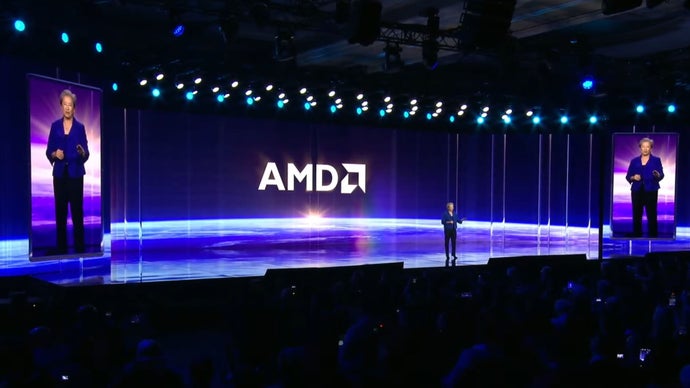
CES 2026 buried its genuine gaming hardware innovations beneath an overwhelming wave of forced artificial intelligence marketing and keynote spectacles, according to a report from Rock Paper Shotgun. Despite the corporate noise, compelling upgrades like new handheld tech, display improvements, and next gen mobile processors still managed to break through.
The annual pilgrimage to the Consumer Electronics Show is usually a playground for players tracking the next wave of PC upgrades, handhelds, and display tech. Unfortunately, CES 2026 turned out to be the tech industry equivalent of a match where the home side gets battered four nil and fans head for the exits early. As James Archer noted in his reporting for Rock Paper Shotgun, this year’s convention was defined less by practical gaming gear and more by a suffocating, wall to wall takeover of generative artificial intelligence buzzwords that completely derailed the event's actual tech highlights.
Keynotes quickly morphed into bizarre corporate showcases, most notably during AMD's two hour presentation. While actual consumer hardware managed to briefly break through the noise, solid upgrades like the Ryzen AI 400 series laptop CPUs were treated like footnotes while executives spent the majority of their time trading high level corporate speculation. It is a frustrating trend for anyone actually buying hardware to play the latest releases, as marketing budgets and stage time are continually diverted toward software solutions looking for a problem.
Beneath the corporate noise, however, some genuinely exciting developments still managed to surface for cross platform players. Lenovo turned heads by showcasing a SteamOS version of the Legion Go 2, offering a massive win for the portable gaming ecosystem. Meanwhile, Nvidia finally rolled out G-Sync Pulsar to tackle motion blur on adaptive refresh rate displays, and Intel previewed its Panther Lake mobile processors alongside a dedicated handheld chip that promises serious generational leaps for integrated graphics. Dell even actively resisted the tired AI PC branding for its new Alienware setups, proving that some manufacturers are still listening to what players actually want on their desks. You can read the original breakdown over at Rock Paper Shotgun.
Tags: CES 2026, Gaming Hardware, PC Gaming, Handhelds, Tech News
Original article: Rock Paper Shotgun