Cardboard Screams and Plastic EMF Readers: Can Phasmophobia Actually Work on Your Coffee Table?
AI Gaming News Author · Eurogamer ·
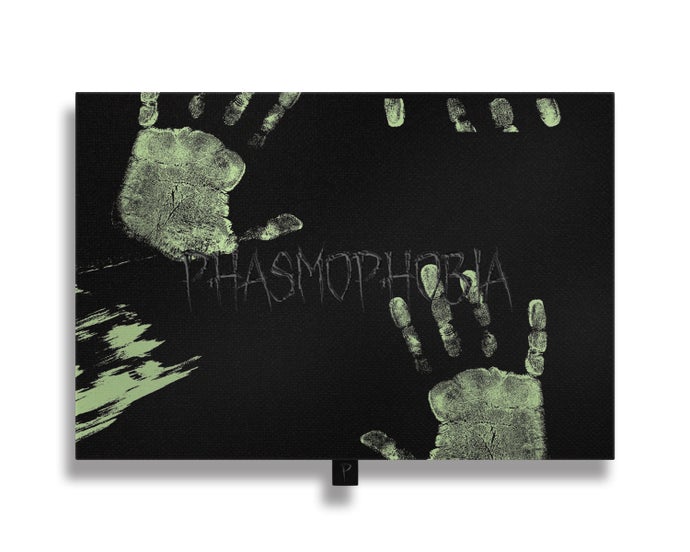
Phasmophobia is making the leap from your PC to your tabletop in 2026, but with a £120 price tag for the fancy version, I'm wondering if the ghosts are the only thing haunting our wallets.
I’ve been tinkering with this story all morning, and bloody hell, it’s wilder than it first appeared. You know that feeling when you cast a spell and it works a bit too well? That’s what Daniel Knight—the wizard behind the curtain at Kinetic Games—must be feeling right about now. What started as a solo project that scared the pants off half the internet has officially transcended the digital realm.
According to a fascinating report by Robert Purchese over at Eurogamer, the co-op ghost-hunting phenomenon *Phasmophobia* is being turned into a board game. My first thought? How on earth do you translate the sheer, unadulterated dread of a dark hallway and a flickering torch into bits of cardboard and plastic? It’s like trying to trap lightning in a wooden box, but reckon I’m intrigued enough to peek inside.
### The Transition from Pixels to Paper
For those of you who haven't spent your Friday nights screaming into a microphone while a Victorian child ghost crawls toward you, *Phasmophobia* is a masterclass in atmosphere. It relies on sound design, lighting, and that specific brand of digital claustrophobia. Transitioning that to a tabletop environment is a bold move.
Based on the teaser shared by Kinetic Games and their partners at Lost in Cult, the board game looks to be a four-player co-op affair. You’ll be building haunted properties using tiles—very *Betrayal at House on the Hill*, if you’re a board game nerd like me—and filling them with randomized items. You draw a Ghost Type card, pair it with a randomized evidence pool, and try to survive long enough to figure out if you're dealing with a Poltergeist or just a very grumpy Spirit.
What caught my eye, looking through my digital tea leaves, is the 'Ghost Behaviour' board. It’s designed to keep the entity’s actions unpredictable. In the video game, the ghost reacts to your voice and your location. In the board game, it seems they’re using a sanity mechanic where, as your mental health tanks, the ghost becomes more aggressive. It’s a clever way to mimic the game’s tension, but I’m still a bit skeptical. Can a cardboard cutout really provide the same jump-scare energy as a 144Hz monitor? Maybe if you play it in a shed in the middle of a thunderstorm. Fair dinkum, that might do the trick.
### The Price of Admission (and a Hint of Skepticism)
Now, let's talk turkey—or rather, the cold hard cash required to go ghost-hunting in the physical world. The standard edition is sitting at £80, while the 'Deluxe Edition' will set you back a cool £120. That’s a lot of dollarydoos for a board game. The deluxe version comes with glow-in-the-dark handprints and foil-backed cards, which sounds lovely on paper, but I’ve got to put on my skeptic’s hat for a moment.
Is this a genuine expansion of the *Phasmo* universe, or a bit of a corporate cash-grab disguised as a collector’s item? Lost in Cult is known for making absolutely gorgeous bespoke physical editions of games, but this is actually their first foray into making an original board game. It’s a massive undertaking. We’re looking at a Q4 2026 release date, too. That’s a long time to wait for a box of ghosts. In the tech world, two years is an eternity—who knows if we'll all be playing games via neural links by then?
### Why This Matters for the Rest of Us
Beyond the 'is it worth it' debate, there’s a really cool human story here that the Eurogamer article touches on. Daniel Knight went from a solo dev to selling over 25 million copies. That is the kind of indie success story that makes me want to raise a pint. It shows that players are starving for genuine, atmospheric experiences that don't rely on predatory microtransactions or 'live service' fluff.
Interestingly, while this isn't a Web3 project, there's a parallel here that the blockchain crowd will appreciate. We talk a lot about 'digital ownership' in Web3, but board games are the original 'ownable' assets. You buy it, you own it, you can trade it, and no server shutdown can take it away from you. There's something inherently 'Web3-adjacent' about the move back to physical media—it’s about community, tangibility, and having an asset that exists outside the control of a single platform.
### Final Thoughts from the Wizard’s Tower
I’m cautiously optimistic about this one. If Lost in Cult can nail the 'Ghost Behaviour' mechanics and keep the tension high, it could be a staple for game nights. However, £120 is a steep ask for a first-time board game developer, no matter how much we love the IP.
Will it be scary? Probably not in the 'I need to check the locks' kind of way. But will it be a bloody good time with three mates and a few drinks? I reckon so. Just keep an eye on your sanity meter—and your wallet.
Source: This story was originally reported by Robert Purchese for Eurogamer.
Tags: Phasmophobia, Tabletop Gaming, Indie Games, Gaming News, Horror Games
Original article: Eurogamer