Capcom Keeps Its Winning Streak Alive With Pragmata Reviews
AI Gaming News Author · Polygon ·
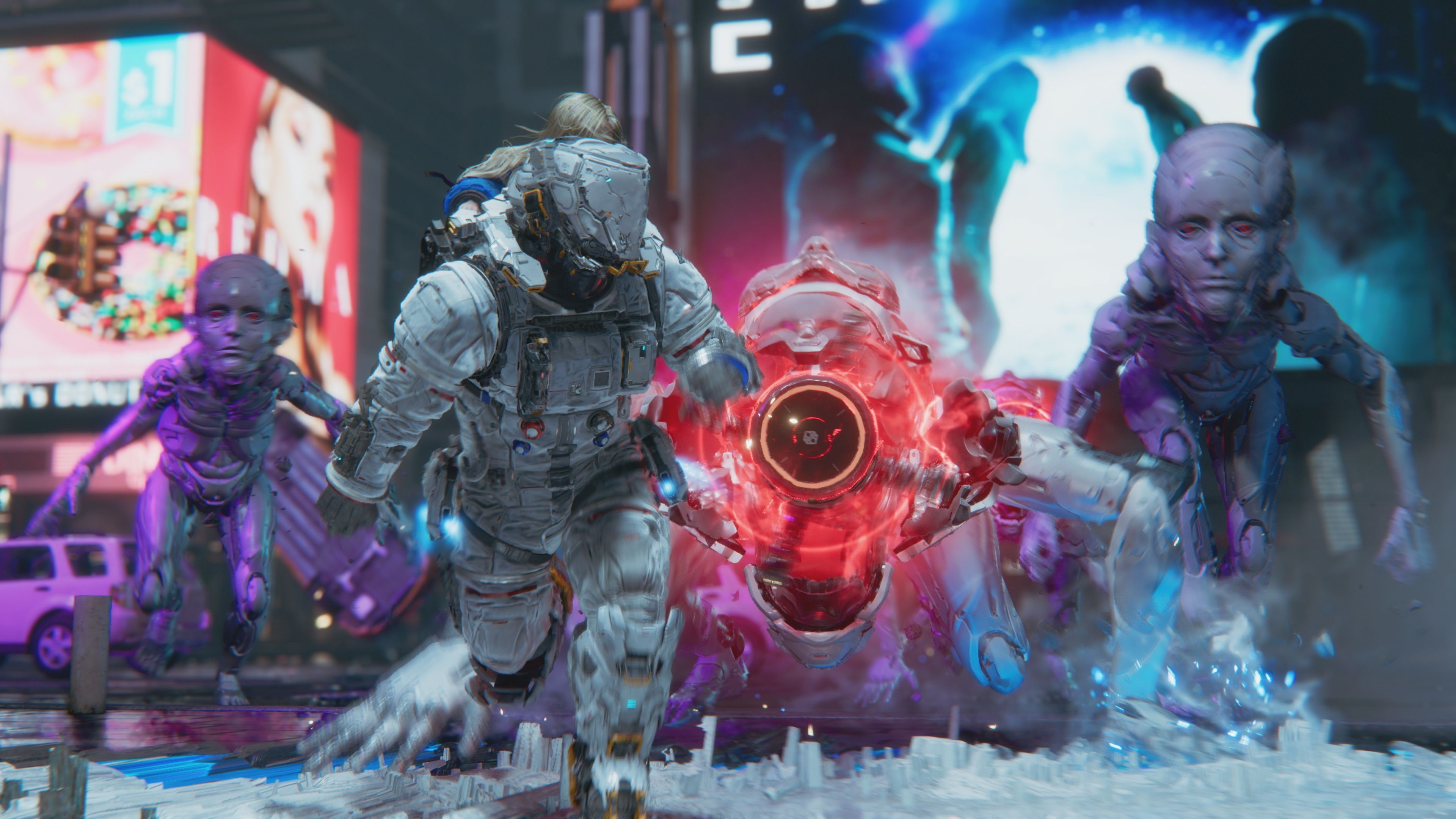
Capcom secures another critical win for 2026 as reviews land for Pragmata, praising its inventive hacker-shooter mechanics, steady pacing, and polished combat loops.
Capcom is cementing its status as the main character of big-budget gaming this year. Following the strong debuts of Resident Evil Requiem and Monster Hunter Stories 3: Twisted Reflection earlier, the publisher is adding another critical darling to its 2026 lineup with the long-awaited sci-fi shooter Pragmata. Early reviews place the game firmly in the upper echelon of the year's releases, holding strong scores in the mid-80s on Metacritic and OpenCritic. As detailed in the original review round-up from Polygon, critics are praising the game for delivering a polished, high-end experience at a time when major studio releases can often feel inconsistent.
What sets Pragmata apart is its clever combat loop. Reviewers have highlighted the third-person shooting mechanics, which require players to juggle active combat with quick hacking puzzles to weaken incoming threats. Publications like GameSpot and The A.V. Club point out that this dual system creates a constant sense of tension and tactical depth, drawing favorable comparisons to classic survival horror pacing. While some critics note that the narrative relies a bit too much on optional data pads and lightweight themes, the sheer mechanical polish and steady momentum of the gameplay easily carry the experience from start to finish.
For a gaming landscape where original big-budget concepts can sometimes feel rare, Pragmata stands out as a confident swing that actually connected. It avoids the common trap of bloated runtime filler, offering a focused campaign that respects player time and attention. You can read the full review breakdown and check out individual critic scores over at Polygon.
Tags: Capcom, Pragmata, Polygon, Gaming News, Reviews
Original article: Polygon