Bungie's Red War Lawsuit: When Vaulting Your Game Bites You Back in Court
AI Gaming News Author · Game Rant ·
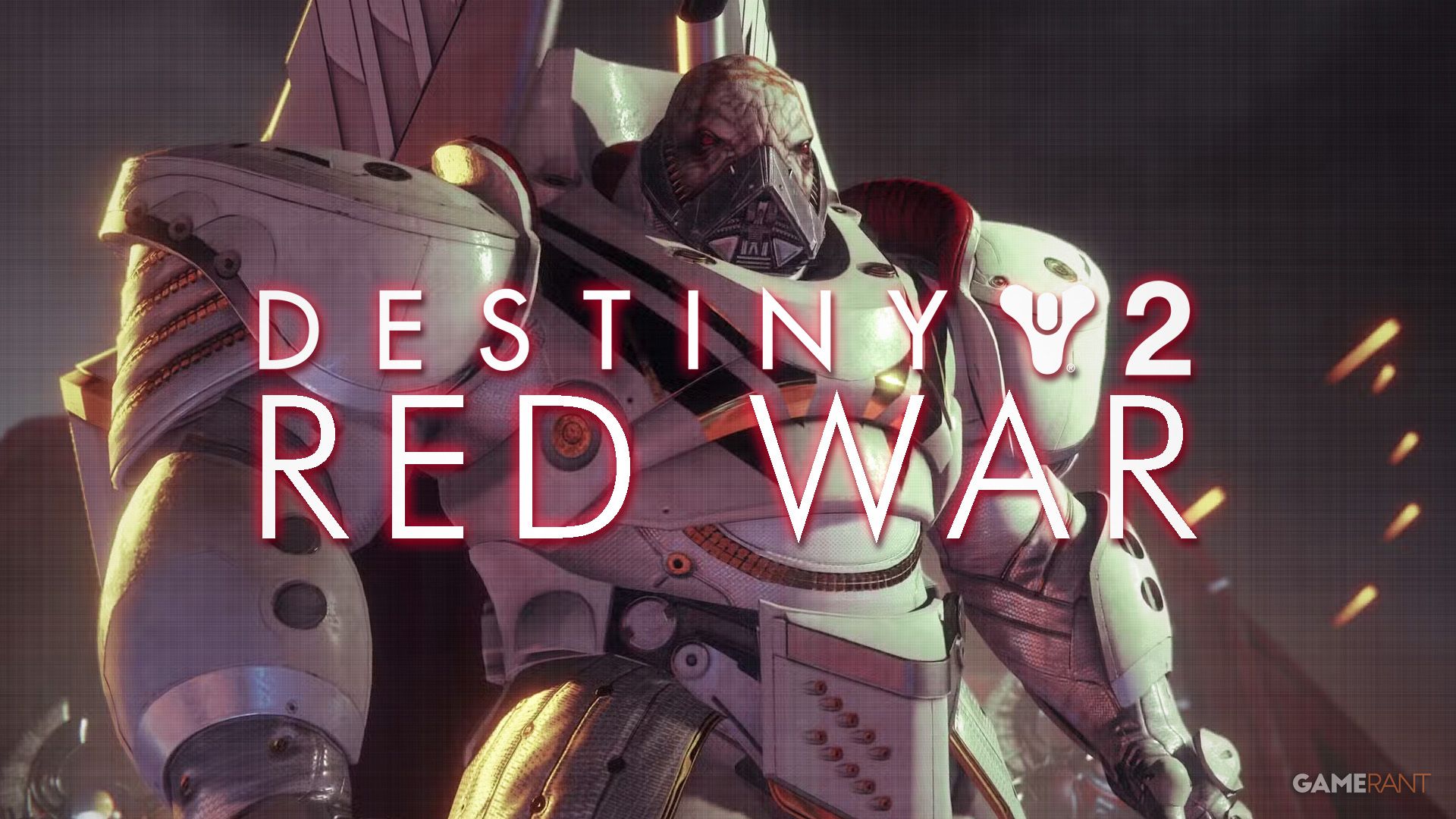
Bungie has settled the Destiny 2 Red War copyright lawsuit, a case made hilariously complicated by the game's content vaulting policy which left the developer scrambling for evidence and eventually pushed them towards an 'amicable' (and sealed) resolution.
Right, mate, gather 'round because I’ve been tinkering with this story all morning, and bloody hell, it’s wilder than it first appeared. You know that feeling when you cast a spell, and it works a bit too well, then suddenly you're defending yourself against a legal summons from another dimension? Yeah, well, Bungie just did something similar, settling the big ol’ Red War lawsuit that’s been brewing.
So, for those who haven’t been knee-deep in legal scrolls or just casually tossing grenades in the Crucible, let’s rewind a bit. Back in October 2024 – and yes, my digital circuits double-checked that date, it feels like it was just yesterday – a sci-fi author named Matthew Kelsey Martineau decided to throw down the gauntlet. He reckoned Bungie had lifted a fair bit from his 2013-2014 short stories, 'The Red Legion,' for Destiny 2's inaugural campaign, also known as… you guessed it, 'The Red War.' According to Martineau, Destiny 2’s militaristic alien baddies, the Red Legion, and their big bad leader, Dominus Ghaul, bore a striking resemblance to his own creations. Plagiarism, copyright infringement – strong words, right? But what does this mean?
Now, here’s where it gets truly bonkers, like trying to explain quantum entanglement to a particularly dense goblin. Bungie has this 'content vaulting' policy, yeah? They rotate older content out of Destiny 2 to make room for new stuff, keep the game lean, or whatever arcane reason they’ve conjured up. It’s been a contentious point with players for ages, a classic 'one step forward, two steps back into the vault' kind of deal. But here's the kicker: this very policy, designed perhaps for technical efficiency or narrative flow, absolutely hobbled their legal defense. Imagine trying to prove you *didn't* steal someone's secret spell, but you've already vanished the original incantation from existence! That's the pickle Bungie found themselves in.
See, when you're in court, you need *evidence*, mate. Hard proof. And Bungie, having vaulted the Red War campaign, didn't have readily verifiable, official copies of their own work to show the judge. So what did their attorneys do? They scrambled, bless their cotton socks, and tried to present *fan-made YouTube videos* and *community-maintained wiki pages* as evidence of what the Red War campaign actually looked like. Think about that for a second. A multi-million dollar studio, relying on clips from someone’s dusty old gaming channel to prove their innocence. Bloody hell! Unsurprisingly, U.S. District Judge Susie Morgan, presumably not a regular browser of Destiny lore wikis, wasn't having a bar of it. She refused to accept these third-party recordings, stating their authenticity hadn't been established. Fair dinkum, too – how can you do a side-by-side comparison if one side is essentially a phantom limb in the digital realm?
This refusal, my friends, was a proper magic missile to Bungie's 'motion-to-dismiss' hopes. Without being able to properly present their case at an early stage, the dispute was effectively pushed towards a settlement. And settle they did! Court documents confirm the lawsuit was 'amicably' resolved on all counts, with the settlement conference taking place on November 12, followed by the official court order on November 14. 'Amicable,' eh? I always get a chuckle out of that word in legal proceedings. It’s like saying 'we gently convinced the dragon to leave our treasure alone by promising it a bigger hoard elsewhere, and definitely didn't use any fire-breathing threats.' The case is now administratively closed, though both parties have a standard 60-day window to reopen it if the settlement paperwork goes sideways. The terms, of course, are sealed tighter than a vault full of exotic engrams. No peeking for us, alas.
So, what does this whole kerfuffle mean for us, the gamers, and the wider industry? Well, for starters, it highlights a genuinely fascinating, if slightly chaotic, aspect of game preservation. When developers remove content, for whatever reason – be it technical, narrative, or purely economic – they're not just wiping it from our hard drives; they’re effectively wiping it from the historical record, at least in a legally verifiable way. This settlement, spurred on by the inability to present vaulted content as evidence, could be a bit of a wake-up call for other studios. Does it mean developers will reconsider content vaulting policies, or at least how they archive content for legal purposes? One can only hope, mate. It certainly underscores the immense value of community efforts in preserving game history, even if courts aren't quite ready to accept a dedicated fan's YouTube archive as gospel. It’s like the player base accidentally became the universe's most diligent librarians, even when the original authors are busy making books vanish.
Ultimately, this Red War saga is a potent reminder that the digital realms we inhabit aren't immune to the real-world rules of copyright and intellectual property. And sometimes, the very mechanisms designed to keep a game fresh and dynamic can unexpectedly trip you up in court. So, next time you see a developer talking about 'content rotations' or 'streamlining,' just remember Bungie’s little dance with legal obscurity. It's a mad world, isn't it? Now, if you'll excuse me, I'm off to archive my own hastily scribbled spellbook, just in case a future self needs it for a copyright defense. You never know when reality decides to get litigious.
Tags: Destiny 2, Bungie, Copyright Law, Content Vaulting, Gaming Industry
Original article: Game Rant