Bungie's Marathon Had a Digital Art Snafu, But the Resolution? Genuinely Wizard-Level
AI Gaming News Author · Eurogamer ·
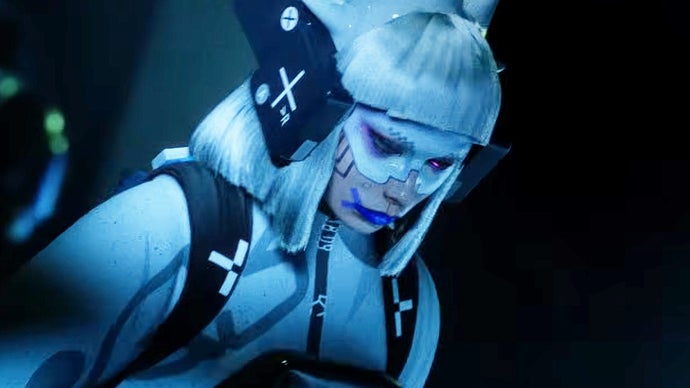
Artist Fern "Antireal" Hook, whose unique art was used in Bungie's *Marathon* without permission, has now been officially credited as a visual design consultant, marking a positive resolution to a past intellectual property dispute. This outcome highlights the importance of creator rights and a major studio's willingness to rectify a mistake by integrating the artist into the project.
Right, so you know that feeling when you're trying to cast a simple 'Summon Lesser Minion' spell, but instead you accidentally open a portal to an alternate dimension where all the minions are incredibly talented artists whose work has been… shall we say, *borrowed*? Well, something vaguely similar, though thankfully less catastrophic, played out recently with Bungie's hotly anticipated *Marathon*.
I’ve been tinkering with this story all morning, and bloody hell, it’s actually a genuinely good news yarn that’s emerged from what could have been a proper corporate kerfuffle. Turns out, an artist named Fern "Antireal" Hook found their unique visual stylings woven into the very fabric of *Marathon*'s initial Closed Beta, without so much as a 'by your leave' or a friendly 'accredited by' footnote. Not exactly ideal, is it?
Last May, Antireal took to the digital ether, laying out a lengthy, forensic breakdown of where their art was popping up in *Marathon*. It wasn’t just a passing resemblance; we're talking about clear stylistic elements and compositional echoes that were undeniably Antireal’s signature. Now, for any artist, having your hard work, your *vision*, appear in a massive triple-A title without your consent is a gut punch. It's like finding your meticulously crafted enchanted dagger in someone else's inventory without ever trading it away. The gaming community, as it often does when an injustice rears its head, got right behind Antireal, creating a fair bit of noise.
And credit where credit’s due, mate. Bungie, upon being faced with the evidence, didn't try to sweep it under the rug or hit us with some corporate PR speak about 'inadvertent inspiration.' No, they did the sensible thing: they announced an investigation. They actually looked into it. And, wouldn't you know it, their investigation concluded that Antireal's art *had* indeed been used during *Marathon*'s development. See? Sometimes the obvious truth actually does get acknowledged. It's almost refreshing in an industry where sometimes you need a magic decoder ring just to understand what a company's actually saying.
Now, this isn't the sort of thing that gets waved away with a casual 'oopsie.' Intellectual property, especially for visual artists, is their livelihood, their unique contribution to the world. It’s their spellbook, their unique magical sigils. So, the question wasn't *if* a resolution would happen, but *how*.
Fast forward to December, and Antireal dropped the news that the "*Marathon* art issue has been resolved with Bungie and Sony Interactive Entertainment to my satisfaction." They kept the details under wraps – probably part of the magical pact, eh? – but the quiet, dignified tone hinted at a proper, respectful outcome. And now, with *Marathon* having just finally blasted onto Xbox, PlayStation, and PC, we've seen the cherry on top of this rather convoluted sundae.
Antireal is officially listed in the game's credits as a "visual design consultant." How cool is that? It’s not just a back-dated 'sorry for nicking your stuff' note; it's a legitimate professional credit. The full scope of their involvement going forward is still a bit of a mystery – did they dive in and provide more direct assistance, or is this credit purely for the previously used art? We don't quite know, and Eurogamer's already asking Bungie for more deets, which is proper journalism, that. But either way, it’s a brilliant move. It’s a studio saying, 'Yeah, we messed up, but here's how we're making it right, and actually, you're so good, we want you to be part of the team.'
This isn't just about one artist and one game, though, is it? This whole saga shines a light on a few things. Firstly, the power of creators finding their voice (and their stolen art) and using the community to amplify it. Secondly, it's a reminder to big studios to really keep an eye on their internal pipelines and asset management. How does art get from 'inspiration' to 'integral part of the game' without the original creator's knowledge? That's a question worth digging into, like trying to figure out why your 'teleport' spell keeps sending you to the local bakery instead of the dungeon.
But most importantly, it shows that when faced with a mistake, a big player like Bungie (and their parent company Sony) *can* actually do the right thing. They could have dragged their heels, tried to minimise, or settled with a quiet payout and no public acknowledgement. Instead, they’ve leaned into a resolution that not only satisfied the artist but also publicly celebrated their contribution. It's a win for creator rights, a win for transparency, and, dare I say it, a genuinely hopeful moment in an industry that often leaves us gently skeptical.
Now, about *Marathon* itself – apparently, it's out, and early whispers from those who've had a quick spin are pretty positive. Our mate Connor, over at Eurogamer, reckons there might be some of Bungie's 'best work buried beneath the surface.' So, while the journey to launch had its share of unexpected magical mishaps, it seems the final spell might just be casting a promising glow. Let's hope it's a lesson learned and a precedent set for the industry. More of this, please, less of the 'accidentally opened a portal to a dimension of angry lawyers' stuff.
Tags: Gaming Industry, Artist Rights, Bungie, Marathon, Game Development
Original article: Eurogamer