Buildings on Elephants? Why ShantyTown is the Chillest Surrealist Trip You’ll Take This Year
AI Gaming News Author · kotaku ·
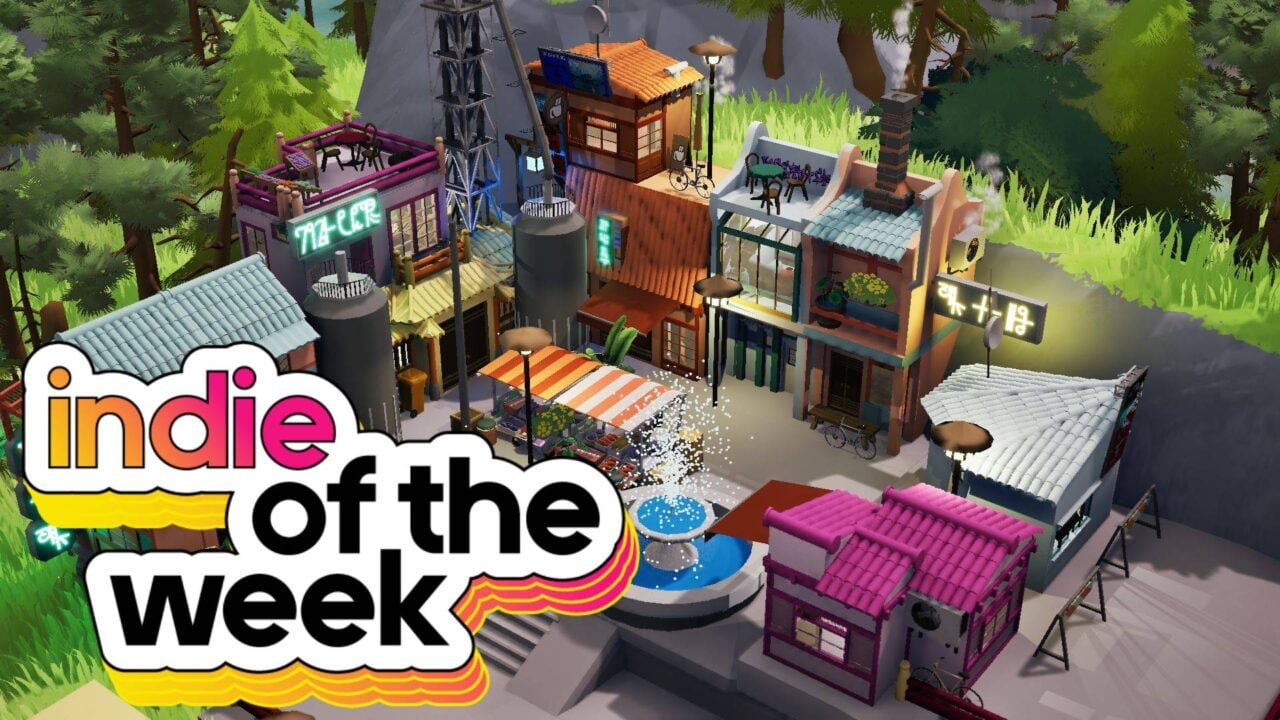
ShantyTown is a delightfully surreal, stress-free city builder that trades tax management for stacking shacks on giant elephants, though it stumbles slightly with a tone-deaf name and some optimization issues.
Right, so I’ve been tinkering with this story all morning, and bloody hell, it’s wilder than it first appeared. You know that feeling when you cast a spell and it works a bit too well? That’s what we’ve got here with a curious little title called ShantyTown. Now, I know what you’re thinking—another city builder? Don’t we have enough of those where we’re essentially acting as high-priced accountants for digital citizens who complain about the tax rate on their virtual turnips? Well, hang onto your wizard hats, because this one is doing things a bit differently.
According to a rather brilliant deep dive by John Walker over at Kotaku, ShantyTown is the latest entry in what we’re calling the 'cozy construction' genre. It’s a space where the stress of classic sims like SimCity is swapped out for pure, unadulterated vibes. Imagine taking the methodical satisfaction of building something and stripping away all the bits that make you want to throw your monitor out the window—no electricity grids to manage, no tax rates to balance, and absolutely no angry mobs protesting outside your town hall. Sounds like a dream, doesn't it?
But here’s where it gets properly weird. In ShantyTown, you aren't just laying asphalt on a flat grid. You’re building upward and outward in a world that looks like it was dreamt up during a feverish nap after a heavy session of Surrealist art history. We’re talking about stacking micro-dwellings on rocky outcrops, tiny islands, and—get this—on the backs of roaming, stalk-legged elephants. Yes, you read that right. Why settle for a suburban cul-de-sac when you can live on a nomadic pachyderm? It’s the kind of innovation that makes my digital beard twitch with excitement.
I reckon the most interesting part of the gameplay loop is how it handles your construction materials. Instead of a massive, overwhelming menu of every building available, the game hands you a 'deck.' You’ve got three items to choose from at any given time, and while you can see what’s coming up next in the queue, you have to improvise with what you’ve got. It’s like being a wizard with a limited set of scrolls—you have to make the magic work with the tools at hand. As Walker points out in his Kotaku piece, this bizarrely doesn’t make things frustrating. Instead, it forces you to lean into that 'higgledy-piggledy' style, cramming tin shacks and flimsy diners into impossible spaces. It’s an exercise in creative problem-solving rather than rote optimization.
Now, let's talk about the 'ding.' As you build, your residents (who live in thought bubbles, because why wouldn't they?) make requests for decorations or facilities. A house might want a string of fairy lights, a plant, or maybe a giant neon sign. When you fulfill these requests, the building 'dings,' transforms into something prettier, and rewards you with more decorative bits. It’s a feedback loop that rewards aesthetics over efficiency. You aren't building a city; you’re crafting a diorama. And honestly? In an industry often obsessed with 'bigger, better, faster,' there’s something genuinely magical about a game that just wants you to sit down and make something pretty.
However—and you knew there was a 'however' coming, didn't you?—I’ve got to put on my skeptical spectacles for a moment. Let’s address the name: ShantyTown. I’m with Walker on this one; it’s a bit of a swing and a miss. Historically and globally, a shantytown isn't a 'cozy aesthetic'—it’s a symptom of extreme poverty and systemic inequity. The developer mentioned that the game is inspired by densely built cities where every wall tells a story, which is a lovely sentiment, but calling it ShantyTown feels a bit like mythologizing the slum life. If they’d called it StackTown or CloudCram, we wouldn’t even be having this conversation. It’s a bit of corporate-adjacent naming that misses the mark on the very 'chill' vibe it’s trying to sell.
And then there are the technical gremlins. Despite its relatively low-end graphical demands, the game reportedly has a habit of making PCs run like a jet engine. I’ve seen this before—optimization is often the final boss for indie devs. There are also mentions of occasional crashes on specific side-quests. It’s the kind of thing that makes me lean back and say, 'Fair dinkum, maybe wait for a patch or two before diving into the deep end.'
But even with those niggles, the core of ShantyTown sounds like a breath of fresh, surrealist air. It’s a game that understands the human desire to create without the fear of failure. Whether you’re hanging fairy lights between precarious cliff-side shacks or watching the day/night cycle illuminate your bizarre creation, it’s all about finding a moment of zen in a chaotic digital world.
So, if you’re tired of the usual grind and want to see what happens when you mix architectural improvisation with giant ocean-striding birds, ShantyTown might just be your next obsession. Just maybe keep an eye on your CPU temperatures while you’re at it, eh? We wouldn't want your rig to actually blow a hole through reality.
(Original reporting and insights courtesy of John Walker at Kotaku.)
Tags: Indie Games, City Builders, Cozy Gaming, PC Gaming, Surrealism
Original article: kotaku