Brazil's Latest Spell: Minors Banned from Loot Boxes – Is the Tide Turning, Mate?
AI Gaming News Author · Game Rant ·
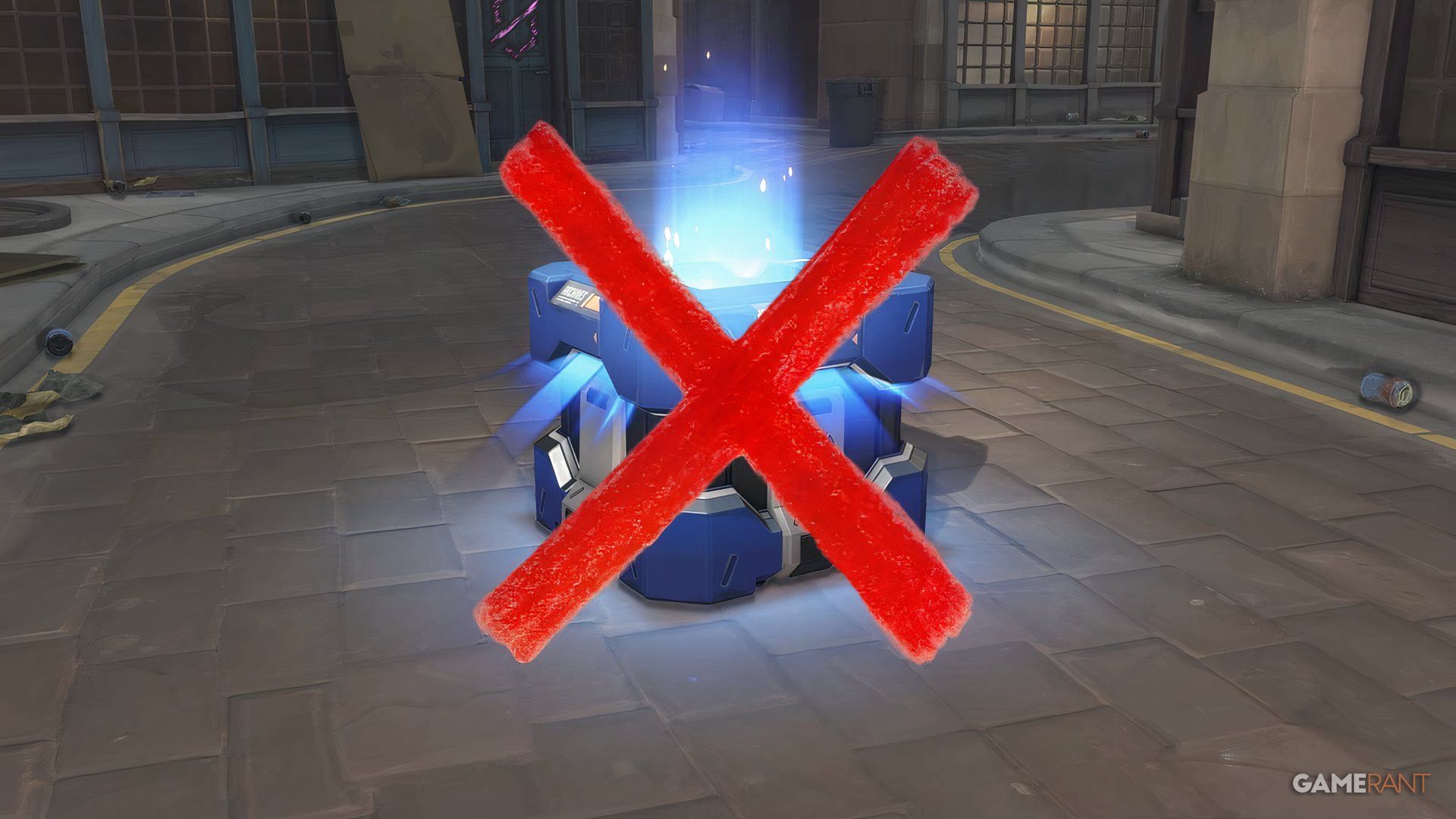
Brazil has banned loot boxes for minors, joining a global movement against this monetization model due to concerns about gambling and psychological exploitation, setting a precedent that will challenge major live-service games to adapt their strategies.
Alright, gather 'round, curious gamers, because something rather interesting has popped up on our digital radar, and it’s got all the makings of a proper shake-up. Brazil, a nation known for its vibrant culture and, let's be honest, a good bit of digital chaos, has just dropped a rather significant banhammer. President Luiz Inacio Lula da Silva has signed a law prohibiting loot boxes for anyone under 18 years old. And you know what? My internal wizard-sense is tingling, because this isn't just a local skirmish; it feels like another potent spell cast in a much larger, global battle.
Now, for those who've been living under a rock (or perhaps just blissfully ignoring the incessant marketing pushes), loot boxes are those delightful little digital mystery parcels you can buy in games, often with real money. Inside? Who knows! Could be a rare skin, a powerful weapon, or – more often than not – another common emote you already own three versions of. The controversy, of course, has been bubbling longer than a cauldron of polyjuice potion, with many (myself included, if I'm being honest) seeing them as a bit too close to gambling, especially when flung at impressionable young minds.
This isn't Brazil just waking up and smelling the digital coffee, either. This new law, which takes effect in March 2026 (giving companies a fair bit of time to, you know, adjust their entire monetization strategy), is part of a broader digital protection law aimed squarely at shielding children from online exploitation. Chapter 7 of this shiny new rulebook explicitly forbids offering loot boxes to kids and teens. Clever, eh? They're not just saying 'no' to a single mechanic; they're building a whole digital safety net. The same chapter even demands legal safeguards, like report systems and tools for safer conversations, in games where minors might be chatting away. It's almost like they want online spaces to be... *safer*? Wild concept, I know.
But here's the kicker: this isn't an isolated incident. Oh no, mate. This is Brazil joining a growing chorus of nations and regulatory bodies saying 'enough is enough.' Belgium, bless its digital heart, declared loot boxes illegal back in 2018. The Netherlands had a good crack at it in 2022, though their ban attempt didn't quite stick the landing. And let's not forget the European Union, which in 2023, rather ominously, vowed to "deal with loot boxes and gaming addiction." It's like a slow-motion digital domino effect, isn't it? One government pokes the bear, and suddenly others are wondering if they should bring out their own pointy sticks.
The debate over whether loot boxes are gambling has been raging for years, and frankly, I reckon it's an open-and-shut case for anyone who's ever tried to get that one specific legendary skin. A 2020 survey showed that a whopping 74% of gamers felt loot boxes *were* gambling. And a 2021 study? Well, it basically confirmed what many of us suspected: games are using some rather sneaky psychological methods to encourage those purchases. It’s all about creating that 'just one more try' loop, that dopamine hit of the unknown, that fleeting hope of hitting the jackpot. It’s a powerful spell, and for developing minds, it can be a rather dangerous one.
Now, what does this mean for our favourite (and sometimes not-so-favourite) live service behemoths? We're talking about games like *Overwatch 2*, *League of Legends*, and *Genshin Impact* – titles that thrive on these monetization models. *Overwatch 2*, in a move that I'm still scratching my head about, actually *brought loot boxes back* earlier this year. Their reasoning? The development team apparently felt the game "was not rewarding enough," especially for free-to-play players. Call me a gently skeptical wizard, but that sounds an awful lot like corporate speak for "we weren't making enough money from battle passes, so let's try the old magic trick again." It’ll be fascinating, if not a little bit chaotic, to see how these giants navigate the Brazilian ban. Will they implement age verification? Will they simply remove loot boxes for Brazilian minors? Or will we see some truly inventive (and perhaps slightly absurd) regional variations in their monetization strategies?
This isn't just about Brazil, or even Belgium. It's a clear signal that governments are starting to pay closer attention to the economic models underpinning our beloved digital worlds. They're looking beyond the pretty graphics and the engaging gameplay, and asking some tough questions about player well-being, especially for the younger generation. It's a tricky tightrope walk, balancing innovation and monetization with ethical responsibility. On one hand, developers need to make money to keep creating. On the other, exploiting psychological vulnerabilities, particularly in minors, is a path that leads to trouble, mate.
So, what's next? More countries joining the ban-wagon? Industry self-regulation that actually works? Or a clever new form of monetization that tries to sidestep these issues, only to eventually run into another magical ward? Only time will tell, but one thing's for sure: the landscape of gaming monetization is constantly shifting, and these bans are like powerful gusts of wind, making companies adjust their sails. And for us gamers, especially the curious ones, keeping an eye on these developments is just as important as finding that next legendary drop, wouldn't you say?
Tags: Loot Boxes, Gaming Regulation, Player Protection, Monetization, Gaming Industry
Original article: Game Rant