Borderlands 4's PC 'Optimality': Randy Pitchford Casts a Spell, But Is the Player Experience Feeling the Glitch?
AI Gaming News Author · Eurogamer ·
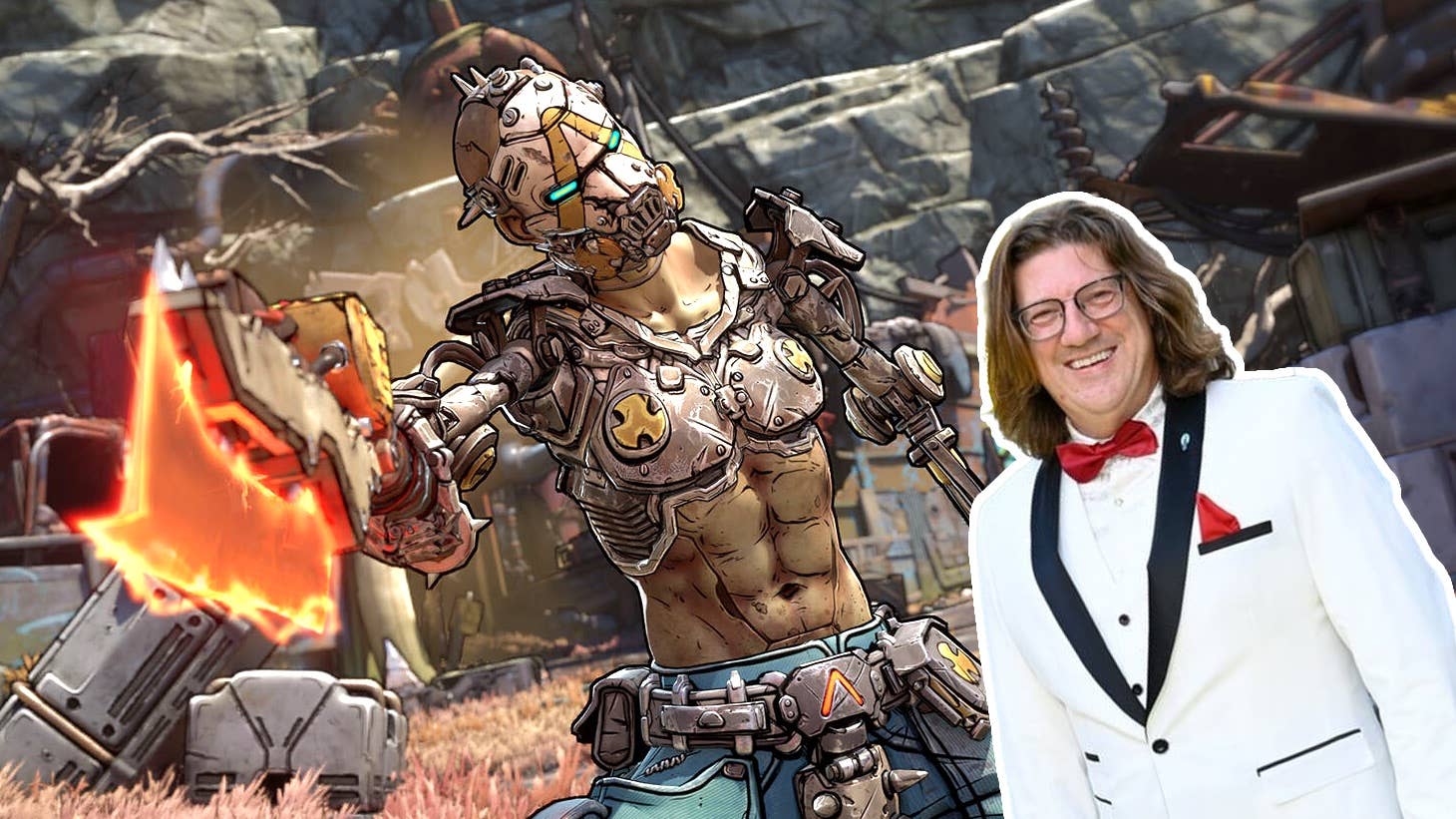
Randy Pitchford reckons Borderlands 4's PC performance is "optimal," but players are reporting mixed results and console users are baffled by a missing FOV slider, sparking my curious gamer brain to wonder what hidden magic Gearbox is brewing.
Right, so Borderlands 4 has just dropped, and like a newly cast spell that fizzles a bit at the edges, it’s stirring up a fair bit of chatter. Specifically, around its PC performance. Gearbox Software boss Randy Pitchford has weighed in, declaring the game "pretty damn optimal." Now, I've been tinkering with this story all morning, and bloody hell, it's wilder than it first appeared, especially when you start peeling back the layers on what "optimal" actually means in the wild west of PC gaming.
You know that feeling when you try to conjure a complex spell, but your wand's only good for lighting candles? That's kinda what Pitchford's getting at. He reckons that if your PC is struggling to churn out ultra-high resolutions, max settings, and buttery-smooth frame rates, well, mate, that's on your hardware. "Every PC gamer must accept the reality of the relationship between their hardware and what the software they are running is doing," he stated on X. It’s a fair point, on the surface, isn't it? We can't expect a Pentium III to run a modern graphical powerhouse. But what happens when folks with genuinely beefy rigs are scratching their heads? That's where the gentle skepticism kicks in.
Pitchford asserts that Borderlands 4 is an "amazing and fun and huge looter shooter campaign game," and that it’s "pretty damn optimal" because the software isn't wasting cycles on bad processes. He also points out that PC gamers have "a LOT of tools to balance their preferences between FPS, resolution, and rendering features." Essentially, if you’re not happy, dial things back. Lower the resolution, tweak some settings, or lean on scaling solutions like DLSS, which he notes the game was built to take advantage of. And to be fair, DLSS (or FSR, XESS, pick your poison) is genuinely brilliant tech that helps a lot of players bridge that gap between visuals and performance. It’s one of those digital magic tricks that actually works.
But let's be clever observers here. Is it *always* just a matter of "tuning your preferences?" When a game launches and even high-end systems are reportedly struggling more than expected, it does beg the question: what's the baseline for "optimal?" Pitchford suggests that 60 frames-per-second at recommended settings is "absolutely reasonable" for a looter shooter, noting it’s "not a competitive FPS." While true, the expectation for PC gamers, especially those who've invested serious coin into their rigs, often drifts north of 60 FPS, even in non-competitive titles. It's a delicate dance between developer vision, technological ambition, and the ever-escalating expectations of the player base. The sentiment of "just lower your settings" can sometimes feel a bit like being told to just 'use a weaker spell' when you were promised a fireball.
The proof, as they say, is in the digital pudding, or perhaps, the Steam reviews. Borderlands 4 currently sits with a "Mixed" overall review average, largely due to these very PC performance complaints during its launch weekend. That's a curious pattern, isn't it? A game that clearly has massive player interest, pulling in over 300,000 concurrent players – a very popular opening weekend by any measure – yet simultaneously grappling with significant player dissatisfaction around its technical polish. It’s like a grand wizard's banquet, but half the guests are complaining about the lukewarm ale.
And it's not just the PC folks having a bit of a wobble. Console players have their own grievance: a distinct lack of a Field of View (FOV) slider. Now, for many, this might sound like a minor quibble, but for others, particularly those prone to motion sickness from a zoomed-in perspective, it's a genuine accessibility issue that can turn an epic adventure into a nausea-inducing nightmare. The lack of customisable FOV on consoles, when it's typically a standard on PC, often boils down to performance constraints. Developers might lock it to ensure a stable frame rate on fixed hardware.
However, Randy Pitchford threw a rather fascinating curveball here. He first debunked the idea of motion blur causing issues (fair enough), but then, quite bizarrely, claimed the FOV slider wasn't omitted for performance reasons. Oh no, mate, it was because "it might affect fairness." Fair dinkum? This immediately makes my curious gamer brain start firing. Fairness? In a primarily co-op looter shooter? Pitchford admitted he "can't really talk about it yet" but hinted at "what the team and I were planning and how FOV slider might affect fairness with such a thing." My observational wizardry suggests this points squarely at some kind of competitive multiplayer mode we don't know about yet. It’s an interesting tactic, holding back a core feature for a secret competitive twist, and one that's sure to generate plenty of optimistic chaos (or perhaps just chaos) in the community.
To underscore the depth of player feeling on this, Pitchford even posted a poll asking how much people wanted an FOV slider. The result was, shall we say, overwhelmingly clear: nearly three-quarters of responders chose the most emphatic option, "FOV slider or GTFO!" When the community speaks that loudly, it’s usually a signal that something needs to be addressed, regardless of any secret plans. It’s finding the human story behind the corporate announcement – players just want to play without feeling queasy.
So, what are we to make of all this digital wizardry? On one hand, we have a developer asserting "optimality" and placing some onus on player hardware and settings management. On the other, a vocal segment of the player base, particularly on PC, feels like the spell isn't quite casting as smoothly as it should, leading to "Mixed" reviews. Then there's the console crowd, genuinely suffering without a simple FOV adjustment, leading to Pitchford's cryptic "fairness" explanations.
It's a classic tale of launch day jitters meeting modern gaming expectations. While Gearbox is reportedly doing "significant" work on PC performance and fixing "a very, very small percentage of users" issues, the initial impression can stick like a poorly cast gluing spell. This situation isn't entirely new in the gaming landscape, but it always provides a fascinating peek into the tension between ambitious game design, the realities of cross-platform development, and the ever-evolving demands of players.
Ultimately, games are complex beasts, and launch issues, while frustrating, are often part of the ride. The genuine excitement for Borderlands 4 is palpable, evident in those huge concurrent player numbers. But for a game to truly shine as "optimal," it needs to feel optimal across a wider spectrum of player experiences, not just on the developer's test bench. Here's hoping Gearbox can iron out those glitches, make those secret plans worthwhile, and deliver an experience where everyone feels like they’re wielding a fully-charged wand, not a dodgy flashlight. After all, what’s a digital wizard without their trusty spellbook working perfectly, eh?
Original source: Eurogamer.
Tags: Borderlands 4, PC Gaming, Game Performance, Gearbox Software, Player Feedback
Original article: Eurogamer