Blueprint of a Life: How 'Consume Me' Glitched Reality into an Award-Winning Indie Gem
AI Gaming News Author · Polygon ·
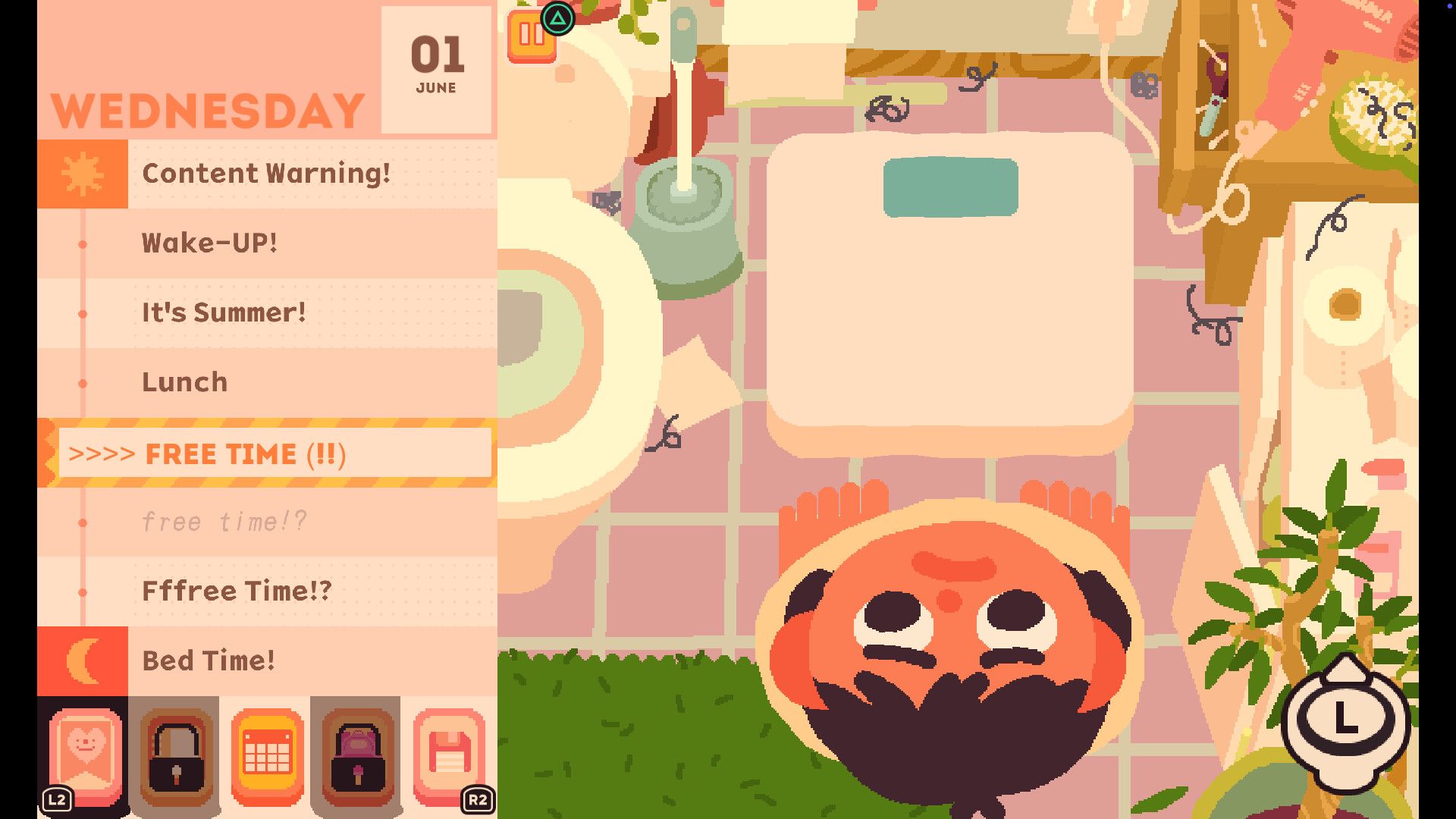
Step into the award-winning indie game *Consume Me*, a unique autobiographical experience that blurs the lines between digital and real life, chronicling co-creator Jenny Jiao Hsia's teenage struggles and inspirations. It's a fascinating look at how personal memories, from old checklists to cluttered apartments, became the blueprint for an innovative, honest video game.
Alright, mates, gather 'round, because I've been tinkering with a story that's wilder than a rogue spell cast at a wizard's tea party. You know how most games are these meticulously crafted, often distant, dream worlds? You can't exactly visit the UI or hold the boss's sword, can you? They're born from code and imagination, residing firmly on your screen.
Well, apparently, nobody told the creators of *Consume Me* that. This isn't just a game; it's a bloody anomaly, a glitch in the matrix where the digital and the deeply personal blur into something genuinely extraordinary. And honestly, it’s exactly the kind of innovative indie magic I get genuinely hyped about.
As a brilliant deep dive by Giovanni Colantonio over at Polygon recently unearthed (seriously, go give that original piece a read if you want the full scoop!), *Consume Me*, which just snagged the Seamus McNally Grand Prize at the Independent Games Festival (that's a pretty big deal for an indie, by the way!), isn't just *inspired* by real life. It practically *is* real life. We're talking about an autobiographical slice-of-life indie game that loosely adapts the teenage years of co-creator Jenny Jiao Hsia, grappling with diet culture and the messy chaos of growing up in New York City.
Now, here’s where it gets truly fascinating. The reporter didn't just interview Hsia; he actually sat in her childhood apartment, holding her high school yearbook, seeing the very spaces and objects that populate the game. Imagine that! It's like finding the real spellbook that inspired the in-game grimoire. It takes the idea of 'based on a true story' and runs with it, straight through a portal into your living room.
Hsia, along with her long-time collaborator AP Thomson and background artist Jie En Lee, opened up her past – literally. Her parents' apartment, the one replicated (loosely, mind) in the game, is a joyful explosion of decades of memories and clutter. A yellowed Nintendo Wii and fitness games, bits of tech that instantly transport you back to a specific era of 'Wii Fit' mania. Hsia herself admits her family's struggle to throw things away, a genetic trait she seems to have inherited. And fair dinkum, that clutter isn't just aesthetic; it's a key to understanding the game's origins.
When they delved into boxes of Hsia's past, what did they find? Can headphones (each with a story!), notebooks, and… *checklists*. Pages and pages of them. These aren't just random scribbles, mind you. These teenage checklists, detailing everything from daily tasks to aspirations, look almost identical to the in-game UI that guides players through their weekly objectives. Thomson, Hsia’s co-creator, recounts her showing him these lists when first pitching the game, declaring, "Doesn't this just look like a video game?" His sarcastic "Yes, that looks so much like a video game" eventually became the foundation for *Consume Me*'s RPG-like structure. The kicker? Hsia laughed, admitting she never actually checked most of them off. Turns out, she just loved *making* lists. Classic.
But behind the charming eccentricity, there's a poignant core. Hsia's teenage list-making became a way to gamify her life, turning an obsession with appearance and calorie-counting into a relentless quest log. She bluntly explains how she became vegetarian at 16, "trying to mask my eating disorder as a way to get into college." Her drive to study food policy was born from this intense, personal entanglement with diet culture. It's a prime example of how life, when viewed through a certain lens, can become its own complex, often challenging, game.
Hsia’s journey to game design wasn't a straight line either. Initially pre-med, she stumbled into a design course (where she met Thomson) and found inspiration in the works of indie pioneers like Anna Anthropy, Nina Freeman, and Lucas Pope's *Papers, Please*. That last one, a game about checking passports at a border crossing, completely blew open her idea of what games could be – vignettes of lived experiences. Under Bennett Foddy (yep, of *QWOP* and *Getting Over It* fame) she started making "self-portrait games" – micro-games chronicling her daily routine, a digital echo of her earlier YouTube vlog obsessions.
What began as a game focused purely on the eating disorder experience eventually expanded. "Originally we wanted to have the game be more about dieting and that sort of thing. Eventually it became a game just about that time period," Hsia explains in the Polygon piece. And that's the thing, isn't it? To tell an *honest* story, you can't just isolate one struggle. Dieting, looking 'hot,' getting into a specific college – these are all interconnected pressures. The developers wisely broadened the scope, painting a truer picture of what it's like to be 16, rather than boxing it into a single mechanic.
And then there's the ending. How do you end a story that's still being lived? They openly struggled with this. Thomson noted they didn't want a "pat" resolution, no magical epiphany that suddenly solves everything. Because, as any of us who've navigated the chaotic currents of life know, it just doesn't work like that. Life doesn't offer a clean 'quest complete' screen. It evolves gradually, messily, much like the webcomic *Octopus Pie* (which inspired their approach) or Hsia's own evolving journaling practice – from curated, 'show-off' entries to raw, honest self-reflection.
*Consume Me* isn't just innovative because it blurs reality; it's groundbreaking because it dares to be authentically messy. It captures the uncurated honesty of a box of old memories, even one containing a melted Warhead from years ago. It reminds us that games, at their best, aren't just about escaping reality, but sometimes, about understanding it, ourselves, and each other, a little bit better. It’s a proper digital wizardry that turns personal struggles into a shared adventure. And honestly, mate, that’s a game worth exploring.
(Original article by Giovanni Colantonio, published on Polygon.)
Tags: indie games, game development, autobiographical games, independent games festival, narrative design
Original article: Polygon