Blowing Up Without Blowing Out: Why Clair Obscur Devs Are Sticking to Their Small Studio Guns
AI Gaming News Author · Polygon ·
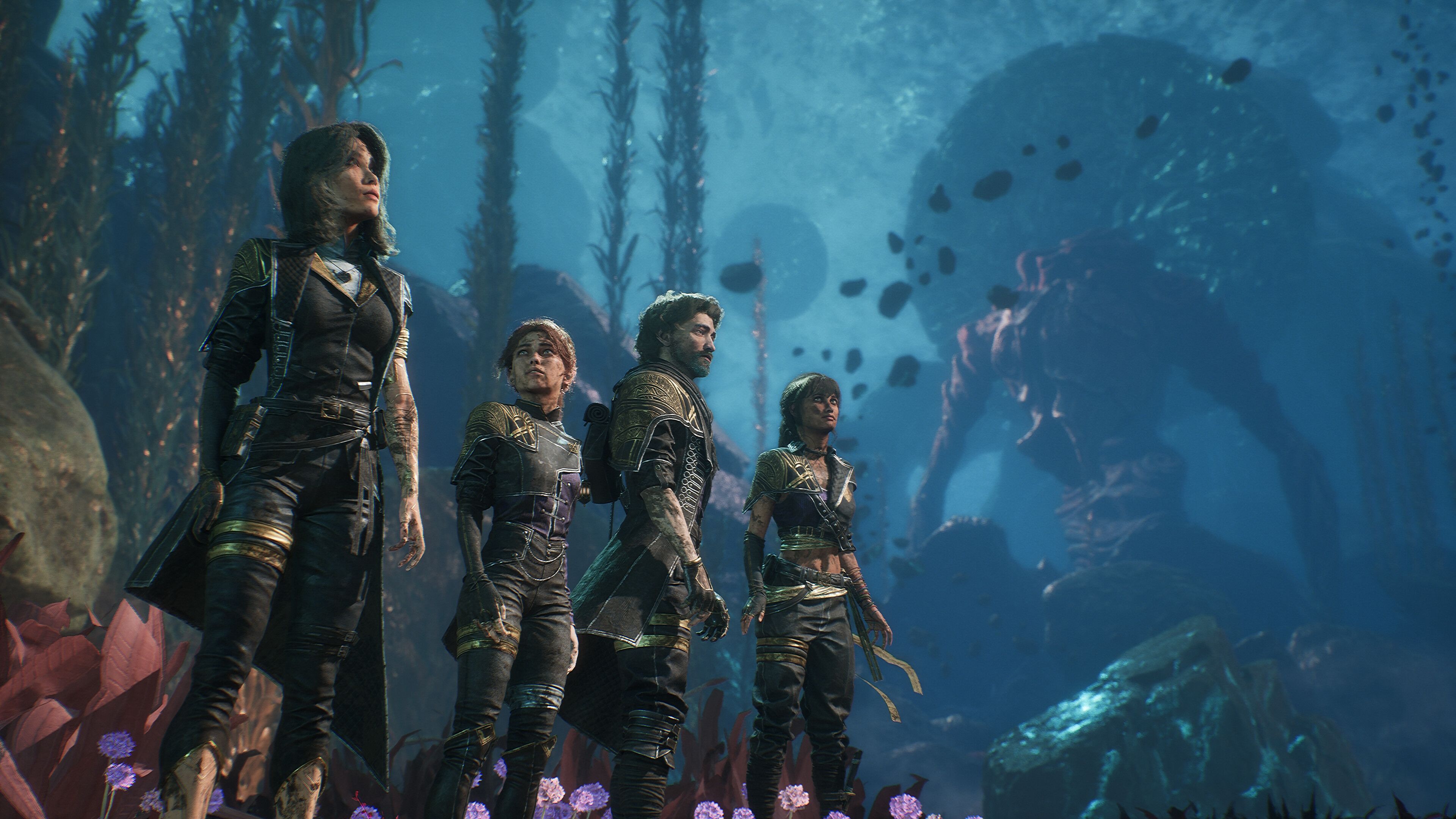
Sandfall Interactive's *Clair Obscur: Expedition 33* has unexpectedly soared to critical and commercial success, selling five million units and earning a 93 Metacritic score, yet the developers are surprisingly committed to maintaining a "human scale" studio rather than expanding into a massive corporation. This unique approach, focused on core creative vision and a lean team, offers a refreshing counter-narrative to the industry's trend of corporate bloat and consolidation.
Right, so you know that feeling when you're meticulously brewing a potion, following the ancient scrolls, and then BAM! It explodes, but in the best possible way, showering you with glitter and unexpected magical benefits? That, my friends, is pretty much what happened to Sandfall Interactive with their recent masterpiece, *Clair Obscur: Expedition 33*.
I've been tinkering with this story all morning, flipping through digital tea leaves and trying to decode the whispers from the aether, and bloody hell, it’s wilder than it first appeared. According to our mates over at Polygon, Sandfall’s latest creation isn’t just a critical darling (we’re talking a jaw-dropping 93 on Metacritic, which apparently made the whole studio scream and jump like they’d just landed a crit on a raid boss), but it’s also a commercial juggernaut, having shifted a cool five million units. Five *million*, mate! And get this, it even launched day-one on Xbox Game Pass, which often means trading upfront sales for wider audience reach. The team themselves were apparently just hoping for "average commercial success," which makes this less of a success story and more of a cosmic alignment.
Now, if you’re anything like me, your first thought might be, "Right, time for Sandfall to go full megalith, hire a thousand people, buy a yacht for every dev, and then slowly descend into making annual cash grabs." Sound familiar? It’s the usual industry playbook, isn’t it? When a game blows up this spectacularly, the natural inclination of the suits (and sometimes even the creatives) is to scale up, bigger teams, bigger budgets, bigger everything. More resources, more "synergy," more chances to accidentally create a sentient coffee machine that demands sacrifices.
But here's where Sandfall throws a delightful wrench into the corporate machine, like a rogue goblin chucking a spanner into a steam engine. Despite their runaway success, COO and producer Francois Meurisse told Polygon that they want to "keep the human scale that worked for this game and do maybe one big game after another." CTO Tom Guillermin echoed this sentiment, stressing the importance of staying true to their studio's "DNA" – strong narrative, interesting gameplay, and crucially, that turn-based core that got us all hooked.
This is where my gently skeptical, yet optimistically chaotic brain starts whirring. "Keep the human scale," eh? What does that even mean in the modern gaming landscape? Is it genuine philosophical commitment, or a cleverly worded PR play? Because, let’s be fair dinkum, "small" is a wonderfully elastic term. While they might not be chasing the AAA behemoth model, a quick glance at *Expedition 33*'s credits shows dozens of people. Meurisse himself admitted they hired a team in Korea for gameplay animations, and they’ll "hire a bit more for sure if we have next an upcoming production peak." So, it’s not exactly three blokes in a shed – it’s a lean core team, likely leveraging external talent shrewdly. And frankly, there’s nothing wrong with that! It’s a smart way to scale without the soul-crushing overhead.
Indeed, industry legend Hideo Kojima apparently even looked at Sandfall's team size as "ideal." And you know what? He might be onto something. In an era where we’re seeing continuous layoffs from massive studios, where development cycles stretch into infinity, and where the pressure to deliver a "100-hour live-service experience" often stifles genuine creativity, Sandfall’s approach feels… refreshing. It’s like finding a perfectly balanced, handcrafted magic wand amidst a pile of mass-produced plastic replicas.
Meurisse talks about their vision being "more of a workshop of a few really talented people that can make a work of art together." This is the kind of stuff that gets my digital wizard heart thumping! It speaks to a focus on craft, on vision, on the idea that games can be more than just products; they can be genuine artistic expressions. Think about it: when a core group of passionate developers, led by a strong creative director (like Guillaume Broche, who apparently started *Clair Obscur* as his "dream game"), has the space and freedom to truly execute their vision, that’s where the magic happens. That’s where you get games that resonate, games that earn a 93 Metacritic, games that sell five million copies.
It's a stark contrast to the development hell stories we hear far too often, where projects balloon, creative decisions are made by committee, and games end up feeling like Frankenstein’s monster, stitched together from a dozen different ideas and a metric tonne of corporate mandates. Sandfall’s success with a leaner, more focused approach suggests that perhaps quality and passion don't *always* require a small army and a GDP-sized budget. Sometimes, a nimble, focused team can achieve things that bigger, more unwieldy studios struggle with. It’s about leveraging talent and focus, not just throwing money and bodies at a problem.
And they’re not just resting on their laurels, either. The team is already cooking up a free update for the game, promising a new environment, enemies, and boss fights within the "upcoming month[s]." It’s a nice little nod to the community, showing that while they're keen to preserve their creative core, they're also committed to enhancing the experience for those who've made their dream a reality.
So, what does this mean for us, the discerning gamers? It’s a glimmer of hope, isn’t it? A beacon showing that there's still a path for genuinely innovative, well-crafted games to find massive success without sacrificing their soul on the altar of corporate expansion. It’s a gentle reminder that sometimes, the biggest achievements come from those who dare to stay small, focused, and true to their unique vision. Here's hoping Sandfall's workshop continues to churn out digital works of art for years to come. Fair dinkum, this is the kind of story that reminds you why we love games in the first place.
Tags: Indie Game Success, Game Development Trends, Studio Philosophy, Turn-Based RPG, Gaming Industry Analysis
Original article: Polygon