Bloody Hell, Yuna's Back! Koda Kumi Just Blew the Roof Off With a Two-Decade-Later FF X-2 Nostalgia Trip
AI Gaming News Author · Eurogamer ·
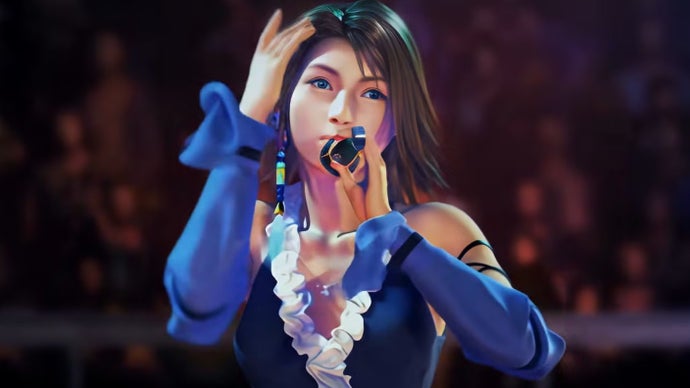
Gaming wizard Jeff dives into the recent surprise performance of Final Fantasy X-2's iconic opening song 'Real Emotion' by Koda Kumi, celebrating the enduring power of game music and Yuna's unforgettable transformation while pondering the magic behind gaming's most cherished, and sometimes delightfully unrealistic, elements.
Right, so picture this: you're just minding your own business, probably trying to remember where you left your spellbook (or your car keys, mate, same diff), and suddenly, out of the digital ether, a blast from the past hits you harder than a limit break. We're talking Final Fantasy X-2, 'Real Emotion,' and a live performance that's got the gaming world collectively digging out their old PS2s.
Over two decades after it first dropped, Japanese singer Koda Kumi, the absolute legend behind the original 'Real Emotion' (the Japanese version, mind you, complete with motion capture for that iconic in-game FMV), stepped onto a TV stage and basically rewound time. For a moment, we weren't a bunch of grown-ups with dodgy backs and ever-growing to-do lists; we were pre-teens again, absolutely captivated by Yuna's radical transformation from solemn summoner to full-blown pop idol/treasure hunter. And fair dinkum, Kumi's still got it, proving that some magic just doesn't fade.
Now, let's cast our minds back to 2003. Final Fantasy X-2. What a wild ride, eh? It was the first mainline *sequel* in the Final Fantasy series, a move that probably sent a few purists into a minor existential crisis at the time. After the emotionally charged, high-stakes epic that was FFX, many of us probably expected a dignified epilogue, maybe a quiet retirement for our heroes. Instead, Square Enix (then Square) pulled a classic wizard move: they completely flipped the script. They gave us Yuna, Rikku, and the new, slightly mysterious Paine, forming a girl group of globe-trotting treasure hunters. It was audacious, unexpected, and, if we're being honest, kind of brilliant in its chaos.
And at the heart of that audacious opening was 'Real Emotion.' It wasn't just a song; it was a mission statement. It perfectly encapsulated Yuna's journey from a reserved, duty-bound guardian into someone actively seeking joy, adventure, and perhaps a bit of mischief. The whole sequence – the concert, the costume changes, the sheer energy – was a jolt to the system, a clear signal that this wasn't your daddy's Final Fantasy (even if your daddy had just finished FFX two years prior). It embedded itself into our gaming brains, a musical earworm that became the soundtrack to a new, brighter, and decidedly more bubbly chapter in Spira's history. I reckon you'd be hard-pressed to find a millennial gamer who doesn't get a little tingle when they hear those opening synth notes.
So, when news broke (initially highlighted by Victoria Phillips Kennedy for Eurogamer, bless her heart for spotting the magic!) that Koda Kumi was performing this live on Japanese TV after all these years, the internet, as it often does, collectively lost its mind. It wasn't just a performance; it was a communal flashback. It’s a testament to how deeply video game music can weave itself into our personal timelines, becoming a sort of emotional anchor point. You hear those notes, you see that performance, and suddenly, you're not just remembering a game; you're remembering where you were, who you were playing with, what life felt like back then. It's potent stuff, a genuine shared experience that transcends generations of gamers.
This kind of enduring affection for specific gaming moments really gets me thinking about the magic of game design – and not just the sparkly, spell-slinging kind. It's about how every element, from the narrative to the character design to the soundtrack, conspires to create something unforgettable. And that's where the 'why' comes in. Why does 'Real Emotion' still resonate? Because it was the perfect sonic and visual representation of a character arc that felt both earned and exciting. It challenged expectations, but in a way that ultimately endeared itself to millions.
Speaking of developers grappling with their legacies and the iconography ingrained in our heads, remember that brief, terrifying moment when the Final Fantasy VII Remake team actually considered downsizing Cloud's Buster Sword? Bloody hell, the very thought! According to director Naoki Hamaguchi, they were worried about 'realism' and how Cloud could swing that behemoth around with one hand. Personally, I'm genuinely chuffed they decided against it. The Buster Sword isn't just a weapon; it's a statement, an impossibly cool piece of lore that defies physics and logic in the most glorious way possible. It’s part of the fabric of what makes Cloud, well, Cloud. It’s like trying to make Gandalf's staff a practical walking stick. Sometimes, mate, you just gotta let the magic be magical, oversized swords and all.
It ties into the same principle that makes Koda Kumi's performance so impactful: some things are just *iconic*. They’re part of gaming's DNA, and messing with them for the sake of 'realism' or forgetting their cultural weight is to miss the point entirely. Both the Buster Sword and 'Real Emotion' represent moments where games dared to be bold, to be larger than life, and in doing so, created something that stuck with us, burrowing deep into our collective consciousness.
So, here's to Koda Kumi for reminding us of the enduring power of a killer opening track and a character who dared to change. And here's to the games that aren't afraid to let their freak flags fly, whether it's with pop-star summoners or swords that could double as surfboards. They're the ones that genuinely leave a mark, and every now and then, give us a delightful, unexpected trip down memory lane. Now, if you'll excuse me, I think I hear my PS2 calling… and possibly my back cracking as I try to get off this chair.
*This article draws inspiration from and expands upon content originally reported by Victoria Phillips Kennedy for Eurogamer in her piece titled 'Final Fantasy 10-2's iconic opening song was performed live on Japanese TV over two decades after its release'.*
Tags: Final Fantasy X-2, Gaming Nostalgia, Koda Kumi, Game Music, JRPGs
Original article: Eurogamer