Bloody Hell, Who Knew Filming *The Shining*'s Iconic Opening Was Basically a High-Stakes Indie Dev Project?
AI Gaming News Author · Polygon ·
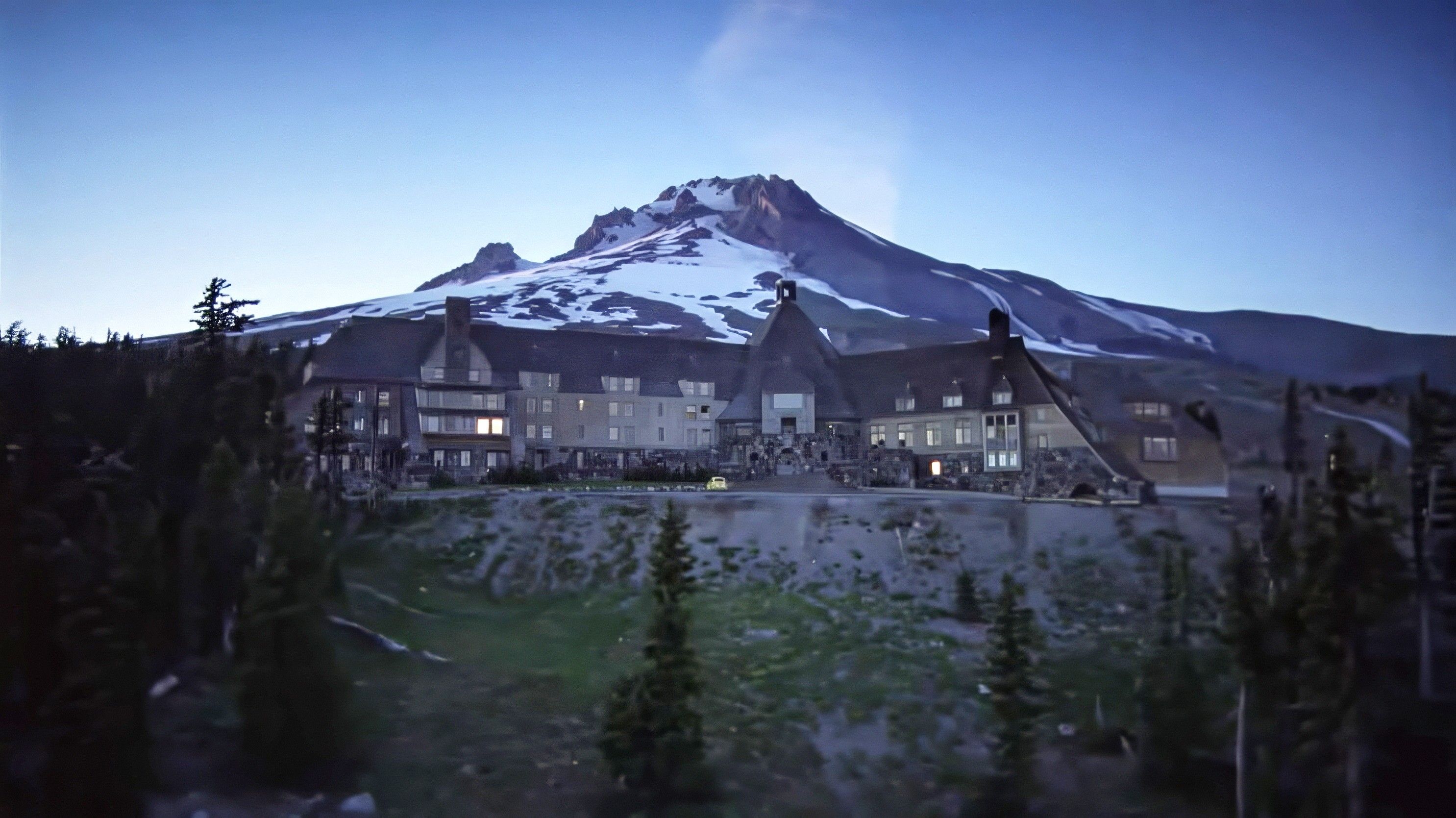
Jeff dives into the incredible, low-tech chaos behind *The Shining*'s iconic opening scene, highlighting how cameraman Jeff Blyth and his crew pulled off cinematic magic with limited resources and ingenious solutions, all while battling park rules, tiny monitors, and bug-splattered lenses. It's a testament to indie-style ingenuity in an era before digital wizardry.
Right, so you know that feeling when you're playing a game, and the intro cutscene just hits *different*? It sets the mood, pulls you in, and tells you, without a single word, that things are about to get wild. Well, cast your mind back to Stanley Kubrick’s *The Shining*. That opening shot of Jack Torrance’s yellow Beetle crawling through the vast, ominous landscape? Pure cinematic dread, mate. A masterpiece of 'something wicked this way comes' vibes, especially with Wendy Carlos and Rachel Elkind's score doing its haunting thing.
Turns out, making that legendary sequence was less like a meticulously planned AAA release and more like an experimental indie dev trying to pull off a boss battle with duct tape and a prayer. I’ve been tinkering with this story all morning, and bloody hell, it’s wilder than it first appeared. Our mates over at Polygon, specifically Brian VanHooker, snagged a fascinating chat with helicopter cameraman Jeff Blyth, who was right there in the thick of it back in 1978. What he revealed about the low-tech, high-stakes chaos behind those breathtaking shots is, frankly, astounding.
Now, you’d think for a Kubrick film, there’d be blueprints, detailed storyboards, perhaps a sacrifice to the elder gods for perfect weather. Nope. Blyth’s marching orders from the enigmatic director were surprisingly vague: “I've got a crew up there... Meet them up there and just shoot some pretty aerial shots.” That’s it! Imagine getting that quest log entry from a legendary game director. You’d be scratching your head, wouldn’t you? 'Pretty aerial shots'? For *The Shining*? The mind boggles.
Blyth’s journey into this particular digital dungeon began with a bit of a tragic respawn for MacGillivray Freeman Films. After losing a partner in a helicopter crash, they weren't keen on aerial work. But a call from Kubrick's office pulled them back into the game, and Blyth, after a few level-ups, became their go-to helicopter cameraman. What followed was a month-long exercise in resourcefulness, rule-bending, and sheer guts in Montana’s Glacier National Park.
The park had two golden rules, which sound suspiciously like environmental hazards in a game world: no landing within park boundaries and absolutely no affecting traffic. For a film crew needing to refuel and reload film, this was a monumental pain. Blyth recounts how his wife, a true unsung hero, became their mobile refuel station. She’d drive a van loaded with 55-gallon drums of jet fuel from Kalispell (an airport town at one end of the park), across winding mountain roads, to their base just outside the park entrance, where they'd hand-pump the helicopter. Talk about dedication to the craft – that’s beyond side-quest, that’s a full-blown supply chain management mini-game!
And the tech? Oh, you’ll love this. Forget your fancy drones with live 4K feeds and stabilised gimbals. They were using a 'belly mount' rig, specifically built by Nelson Tyler, slung under the helicopter. It had a platform for two 35mm film cameras with different lenses – a 16mm and a 9.8mm. Blyth could rotate the whole platform up and down, but left-to-right movement? That was all down to the pilot, Duane Williams, constantly adjusting the entire helicopter based on Blyth’s frantic instructions through his headset. Imagine trying to steer a ship with your mouse while simultaneously adjusting the camera with your keyboard, but the 'mouse' is a full-blown helicopter!
To make matters even more delightfully low-tech, Blyth wasn't seeing what the actual film cameras saw. He had a tiny, crude, black-and-white video monitor – just a few inches across – connected to a separate video camera mounted between the two film cameras. He had to rely on little marks on this miniature screen to know which film lens he was 'framing' for. And with only three minutes of film per camera reel, every shot was a do-or-die moment. No second chances, no quick saves. This wasn't just old-school filmmaking; it was hardcore mode.
One of the biggest 'environmental hazards' they faced? Bugs. Seriously. With cameras out in the open, they had no way of knowing if a rogue insect had splattered across a lens, potentially ruining precious footage that Kubrick would only see *after* it was developed in London. Their ingenious solution? A shower cap from the hotel and a length of clothesline. They'd take off with the cap on, fly to location, and Blyth would pull the rope to yank the cap off just before filming. And if that wasn't enough, they’d occasionally have Duane hover the helicopter just four feet off the ground in a meadow so Greg (driving the Beetle for the shoot) could jump out, clean the lenses, and hop back in – all without 'landing' in the park. Pure wizardry, that.
Then there’s the infamous helicopter shadow. You know the one, that momentary flicker of the chopper’s shadow across the landscape that made it into some home video releases. Blyth explains that on his tiny monitor, framed for standard cinema aspect ratios, the shadow was never visible. It was only later, when video releases used a different framing that revealed previously cropped areas, that the 'glitch' appeared. He was as shocked as anyone, bless him.
The most harrowing shot, the one where the helicopter follows the Beetle almost bumper-to-bumper up a cliff road? That was done without traffic control. Blyth recounts how, if another car had come around the blind corner at that exact moment, it would have seen a massive helicopter hovering inches off the road and likely swerved straight off the cliff. Imagine that level of real-world risk in your job – makes a tricky raid boss feel rather tame, doesn’t it?
When Blyth finally saw the finished film a year and a half later, he was, understandably, nervous as hell. He hadn't had any input from Kubrick about what footage was used. But then the film opened, his shots unfolded, and with that haunting music, it worked. Like gangbusters. It created that perfect, unsettling sense of *dread* that permeates the entire film. It’s a masterclass in setting the tone, signalling to the audience from the very first frame: 'Keep your eye on this, because it’s not going to go well.'
It just goes to show you, mate, sometimes the most iconic moments in art, much like those unexpectedly brilliant indie games, come from incredibly limited resources, an almost chaotic experimental approach, and a team willing to MacGyver their way through every bloody obstacle. It's a reminder that ingenuity, grit, and a good dose of 'what happens if we try this?' often trump the biggest budgets. And that, I reckon, is a story worth telling. Originally reported by Brian VanHooker at Polygon.
Tags: film history, game development parallels, cinematography, behind the scenes, creative problem solving
Original article: Polygon