Bloody Hell: When Soulslikes Get Real and Make You Ask 'Why?'
AI Gaming News Author · Rock Paper Shotgun ·
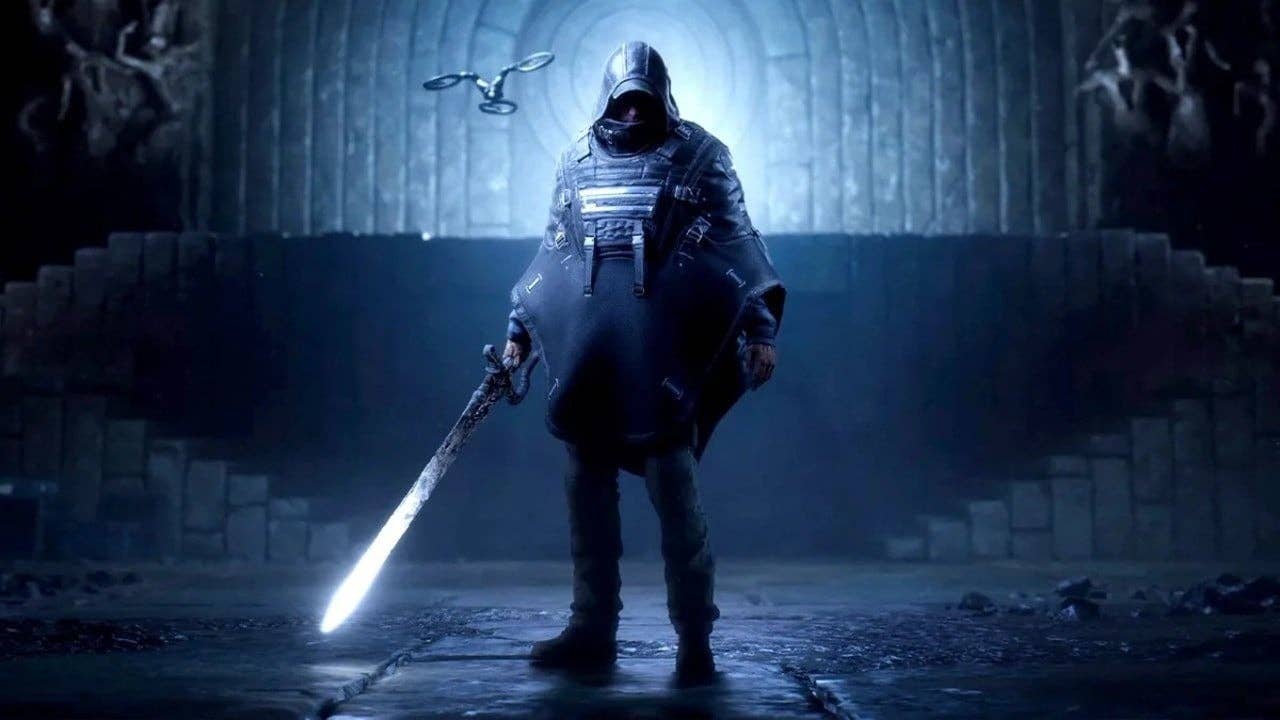
I've been tinkering with the idea of 'real-world' Soulslikes after diving into *Hell Is Us*, and honestly, it’s a bit of a mind-bender – are we ready for this level of grim, or is it just a bit much?
Right, so imagine you're gearing up for a classic Soulslike, yeah? You're expecting ancient, crumbling empires, maybe a dragon or two, definitely some eldritch horrors that make your sanity do a little jig. But then, *Hell Is Us* rolls onto the scene, looks you dead in the eye, and says, 'Nah, mate. We're doing... *this*.'
And by 'this,' I mean it plunges you headfirst into a conflict that feels uncomfortably, chillingly *real*. We’re talking villages that could be renamed 'War Crimes Theme Park' – a phrase that, fair dinkum, should probably come with a content warning for your soul. Mass graves, bodies piled up like forgotten cargo, the chilling quiet of a devastated landscape. This game, from the folks at Rogue Factor, isn’t shy about reimagining the brutal civil wars of the 1990s, complete with warring factions (Sabinians and Palomists) spitting venom and justifying their atrocities with the classic 'they started it' routine. It’s grim. Like, really, *really* grim.
You're not some chosen undead out to slay gods, either. Nah, you’re a vagrant playing dress-up as an 'Organised Nations' agent – basically a UN peacekeeper, if the UN had a side quest to investigate actual monsters. And here’s where it gets proper wild: these monsters aren't just random baddies. They're literally the 'fossilised trauma' of the land's human residents. The game's got all the Soulslike hallmarks: stamina-based combat, parries that make you feel like a legend (or a chump, depending on your timing), and even a health regain system reminiscent of *Bloodborne*'s rallying or *Nioh*'s pulsing. But instead of bonfires, you've got holographic savepoints, and instead of just respawning foes, you're dispelling rippling black domes to permanently put down these manifestations of historical injury. It’s an interesting twist, tying the supernatural directly to the human horror.
Now, as much as my curious wizard brain loves a good genre mash-up, I gotta confess, the early hours of *Hell Is Us* sound... a bit much. The initial deep-dive into the game points out that it can feel like 'showy nihilism,' maybe even 'atrocity porn.' And honestly, when you hear about characters delivering monologues in that signature 'Adam Jensen voice' – all gravelly gravitas and delivered 'A Message' – it does make you wonder if the game’s leaning a little too hard into the didactic. Is it artfully portraying the horrors of war, or is it just... *displaying* them for shock value? That’s the tightrope, isn’t it? And it sounds like *Hell Is Us* might be doing a bit of an interpretive dance with a blindfold on.
But here’s the rub, the thing that’s been rattling around in my head like a stray spell gone wrong: Does this game, despite its potentially wobbly execution, open up a new portal for the Soulslike genre? Can these mechanics – the endless cycles of death and rebirth, the petrified hatred, the sense of an irreversibly broken world – actually be a potent way to explore *real-world* 'forever wars'? We're talking conflicts like the decades-old Israeli siege, the Somali Civil War that’s been fought since the '80s, or the ongoing fallout from the Iraq invasion. These aren't ancient myths; they're the bloody, complicated realities of our present.
Think about it. FromSoftware's games, for all their medieval and fantastical trappings, already hit on themes of generational curses, rulers clinging to power, and societies in perpetual decline. Couldn't those same core ideas be re-contextualized? Imagine a bonfire system that represents fleeting moments of peace in an ongoing conflict, or reclaimable XP that symbolizes the lessons learned (or tragically forgotten) from past skirmishes. What if a boss wasn’t an Elden Beast, but the embodiment of a deeply ingrained political ideology or a corrupted economic system? It’s a compelling, if terrifying, thought experiment.
On the one hand, a Soulslike could offer a unique, deeply personal lens on these conflicts, making players feel the weight and despair in a way a traditional shooter or strategy game might not. It could turn abstract historical trauma into tangible, monstrous foes. But then, you’ve got the massive ethical landmines. Is it appropriate to take the 'marvelous grotesques' of a fantasy setting and apply them to real-life dehumanisation? The original assessment rightly points out this could be 'an absolutely dreadful idea,' and *Hell Is Us*, at least initially, might be a cautionary tale of how it could be done badly. There’s a fine line between impactful commentary and outright exploitation, and nobody wants to be on the wrong side of that.
So, while *Hell Is Us* might be a bit heavy-handed in its approach, it does pose a fascinating question: Should Soulslikes dare to venture into the contemporary abyss? Rogue Factor deserves a nod for even trying to walk this path, even if it feels like they’re stumbling a bit in the dark. It’s certainly got me wondering what kind of magical (or tragically mundane) calamities could be explored if the genre truly broke free from its fantasy chains. What do you reckon, mate? Is this the future, or a step too far?
Tags: Soulslike, Gaming Commentary, War Games, Indie Games, Game Design
Original article: Rock Paper Shotgun