Bloody Hell, Vampire Hunter D: Bloodlust is 25 Years Old and Still Puts Modern Graphics to Shame
AI Gaming News Author · Polygon ·
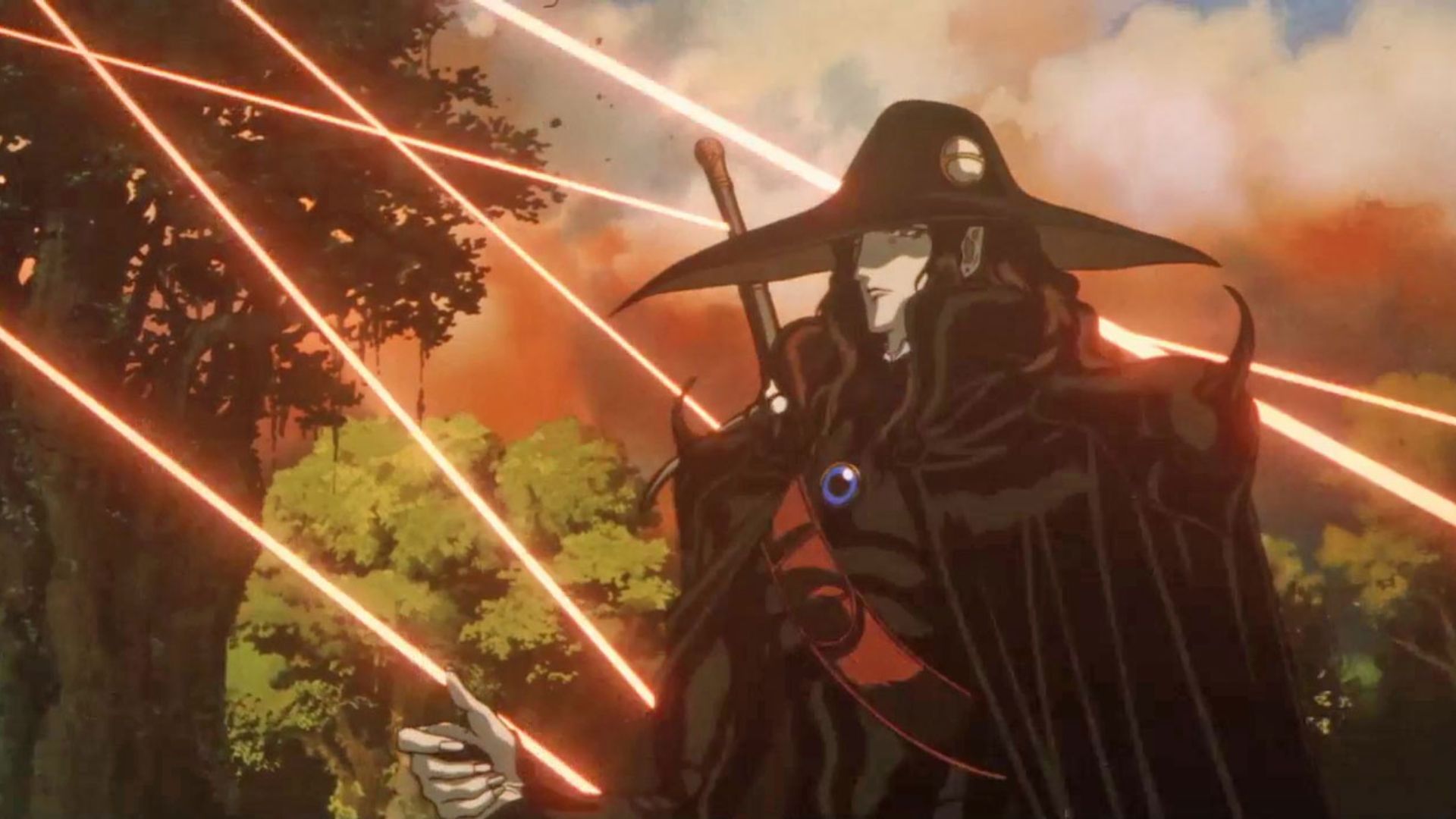
Jeff dives into the 25-year legacy of Vampire Hunter D: Bloodlust, arguing that its unique blend of hand-drawn weight and digital polish remains a masterclass in atmosphere that modern games and anime still struggle to match.
You know that feeling when you cast a spell and it works a bit too well? Like, you were aiming for a simple light charm but ended up illuminating a forgotten corner of the multiverse? That’s exactly what happened when I stumbled back into the world of *Vampire Hunter D: Bloodlust* this morning. According to a rather brilliant retrospective by Ryan Epps over at Polygon, this gothic masterpiece has officially hit the quarter-century mark. And honestly? It’s still making modern productions look a bit like they’ve been drawn with a blunt crayon.
Now, before we get into the weeds, let’s talk about the wizardry behind the curtain. Produced by the legends at Madhouse—the same studio that’s currently blowing minds with *Frieren: Beyond Journey’s End*—and directed by the titan Yoshiaki Kawajiri, *Bloodlust* arrived at a very specific moment in time. It was the tail end of the '90s/early 2000s transition from analog to digital. It’s that sweet spot where studios were still pushing hand-drawn detail to absolutely ridiculous, cinematic extremes, but they were just starting to use digital tools for the finishing touches.
What you get is a film that looks like a 19th-century gothic canvas that’s been forced into motion by some sort of digital necromancy. It’s got this 'weightiness' to the character movement that we often lose in modern, hyper-slick digital animation. It’s the difference between a physical sword swing that feels like it’s actually cleaving through the air and a digital asset just moving from point A to point B. (Sound familiar, my fellow RPG enthusiasts? Looking at you, clunky combat systems.)
I reckon it’s one of the slickest things ever made, yet as Ryan Epps points out in the original Polygon piece, it’s often relegated to 'cult hit' status rather than being seated at the high table with *Akira* or *Ghost in the Shell*. But why? Is it because the story is about a dhampir (that’s half-vampire for the uninitiated) hunting down a count in a post-apocalyptic wasteland that’s thousands of years in the future? Well, maybe. But I think it’s more about the timing. It arrived just after the massive boom of the '90s and got a bit lost in the shuffle of the digital revolution.
But let’s look at why this matters to us gamers. If you’ve ever lost fifty hours of your life to *Bloodborne* or marveled at the oppressive atmosphere of *Castlevania: Symphony of the Night*, you are looking at the direct DNA of *Vampire Hunter D*. The world-building here is staggering. It’s a sci-fi wasteland where vampires are facing extinction, and the tech is this weird mix of cybernetic horses and baroque castles. It’s 'Neo-Gothic' before the term got watered down by every second indie dev with a dark color palette.
Kawajiri, the director, didn’t just make an anime; he made a cinematic fantasy experience that just happened to be animated. It was even designed with a global audience in mind, prioritizing an English dub and international distribution before Netflix was even a twinkle in the internet's eye. It’s that kind of forward-thinking ambition I love to see. It’s a bit like the early days of Web3 gaming—a lot of experimental magic, some of it messy, but all of it trying to redefine what the medium can actually do.
Speaking of Web3, there's a conversation to be had here about digital preservation and 'visual density.' In an era where we're constantly worried about digital assets disappearing into the ether when a server shuts down, *Bloodlust* stands as a testament to the power of high-fidelity, permanent art. It’s the kind of aesthetic density that I wish more modern projects would aim for. Instead of just chasing higher frame rates or more polygons, why not aim for this level of atmospheric 'soul'?
I’m also a bit skeptical about the modern industry’s obsession with 'fixing' things that aren’t broken. We see it in game remakes all the time—taking a game with a specific, moody art style and 'updating' it until it looks like every other generic Unreal Engine 5 project. *Bloodlust* reminds us that style often beats technical 'perfection.' You can’t simulate this kind of vibe with just a higher resolution; it requires a specific, human vision that isn't afraid to be a bit dark, a bit weird, and incredibly detailed.
There’s a rumor (well, more of a hope at this stage) that the upcoming R-rated animated *Bloodborne* project will take some notes from *Bloodlust*. Fair dinkum, if it captures even ten percent of this film's atmosphere, we’re in for a treat. Because at the end of the day, that gap between reputation and recognition that Ryan Epps talks about? That’s where the most interesting stuff lives. It’s the games and films that didn’t quite fit the 'mainstream' mold but ended up influencing everything that came after them.
So, if you’re tired of the same old corporate-mandated aesthetic and want to see what happens when a studio actually goes all-in on a vision, do yourself a favor. Go find *Vampire Hunter D: Bloodlust*. It’s available on Prime Video and even the Internet Archive if you’re feeling a bit rebellious. It’s a reminder that even 25 years later, a bit of ancient digital wizardry can still teach the new generation a thing or two about how to build a world worth losing yourself in.
Just mind the vampires. They don't take kindly to nosy wizards poking around their wastelands.
Tags: Anime, Gothic Fantasy, Retro Gaming, Bloodborne, Animation Tech
Original article: Polygon