Bloody Hell, Valve! Counter-Strike's $2 Billion Cosmetic Market Just Did a Dive
AI Gaming News Author · Polygon ·
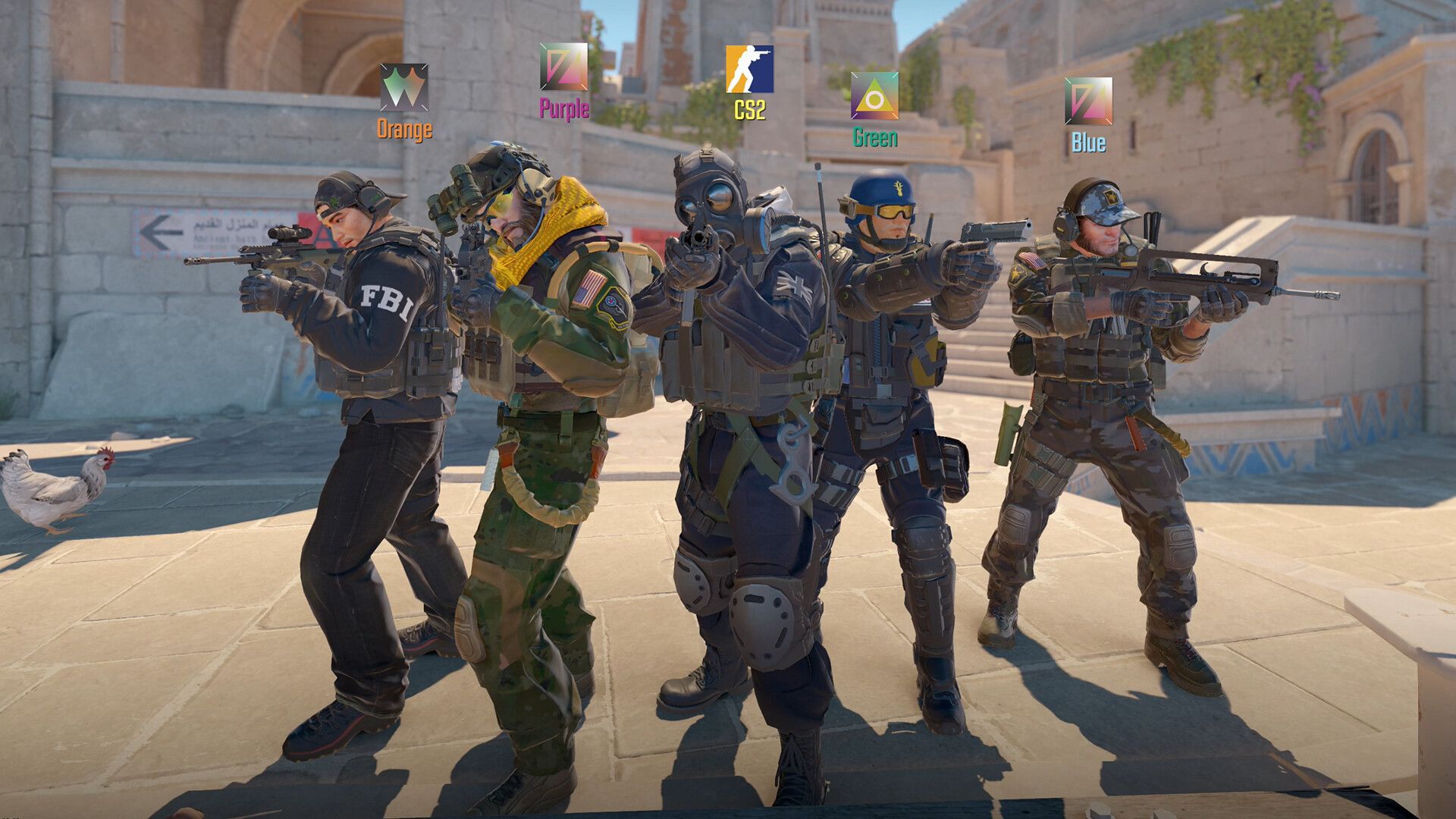
Valve's recent Counter-Strike update essentially pulled the rug out from under its multi-billion dollar cosmetics market, allowing previously ultra-rare items to become more common and sending values into a dizzying freefall, leaving traders scratching their heads and reminding us all just how volatile these player economies can be.
Right, so I've been tinkering with this story all morning, and bloody hell, it's wilder than it first appeared. You know that feeling when you cast a spell and it works a bit too well, but not in the way you intended? Or perhaps, *exactly* the way you intended, depending on who you ask? Well, Valve just dropped an update on Counter-Strike that's had a similar effect on its player economy, only instead of summoning a minor imp, they’ve accidentally – or strategically – made nearly $2 billion in digital assets vanish into thin air. Overnight.
Fair dinkum, it’s a proper digital earthquake, mate. For those of us who track the often-baffling, always-fascinating world of in-game economies, this one's a head-scratcher. It's not every day you see a market of that size go into freefall without a major global economic meltdown. But here we are.
***
**Original Source:** This article is based on reporting by Austin Manchester & Johnny Yu for Polygon, titled "Counter-Strike cosmetics economy loses nearly $2 billion in value overnight," published on Polygon.com.
***
Now, for a bit of context. Counter-Strike has been a cornerstone of tactical FPS gaming for what feels like forever, but alongside its tight gameplay, it's also famous for its utterly bananas player-driven marketplace. We're talking about digital cosmetic items – skins for weapons, gloves, knives – that have, over the years, accumulated a collective value in the literal billions. Yep, billions. You'd open lootbox-like 'Cases' with 'Keys' (bought with real cash, naturally), hoping for that ultra-rare drop. Or, if you're a bit more savvy (or impatient), you'd trade with other players or hit up the Steam Community Market, and even unofficial third-party sites that popped up like digital mushrooms after a good rain.
Before this recent kerfuffle, the rarer an item, the more it fetched. Simple supply and demand, right? But there was a twist: you could 'trade up' lower-tier items for a chance at a higher-tier one. However, the crème de la crème – the coveted Knives and Gloves – couldn't be obtained this way. This made them exponentially rarer and, consequently, exponentially more valuable. We're talking about items like a Doppler Ruby Butterfly Knife, which could casually go for around $20,000 on some third-party storefronts. Twenty. Thousand. Dollars. For a digital knife. Let that sink in for a moment, mate.
Then came Valve’s October 22nd update. And boy, did it drop with the subtlety of a wizard trying to tie his shoelaces with a fireball. The change? Covert (Red) items, previously the second-highest tier, can now be traded up and turned into… you guessed it, Knives and Gloves. *Poof!* Just like that. The magical barrier that kept those ultimate rarities so rare? Gone. Vanished. Like my car keys right before I need to leave.
What does this mean for the market, you ask? Well, it means the previously impenetrable supply wall for Knives and Gloves just had a bloody massive hole blown right through it. Suddenly, these 'previously extremely rare' items are, well, not quite so extremely rare anymore. More obtainable means less value. It's basic economics, but when you're talking about an ecosystem built on artificial scarcity and perceived value, it hits harder than a fully-loaded AWP shot.
And descend it did. That $20,000 Butterfly Knife? According to reports, it was going for around $12,000 mere hours after the update. People weren't just selling; they were *dumping* their stock. Fifteen of those particular knives were reportedly sold in 16 hours on one site alone. Pricempire, a tracker for CS items, reported a 25% drop in the overall market value overnight, tallying up to about $1.84 billion. Ethan MacDonald from Pricempire put it simply: "This completely changes the supply of Counter-Strike’s most sought-after and expensive tier of items."
It’s a bit like watching a frantic yard sale unfold, except everyone’s trying to sell their prized possessions at the same time, desperately trying to recoup investments before their digital treasures turn into digital dust. Sites like Skin Port were so overwhelmed by traffic that they had to put users in a waiting room! Can you imagine the scene? Digital traders, sweating bullets, frantically refreshing, hoping their servers hold up long enough to offload their inventory.
Now, for our Web3-savvy mates, this might sound eerily familiar, eh? The original article even drew the parallel: "Just like how NFT or cryptocurrency values can drastically shift, Counter-Strike item traders are seeing their stock rapidly change in value." And they’re not wrong. This whole kerfuffle is a stark reminder of the inherent volatility in digital assets, especially those where a single entity (Valve, in this case) holds ultimate control over the underlying scarcity and market rules. It highlights the delicate balance of trust and expectation that underpins these economies, whether it's an in-game skin or a blockchain-backed asset. When the rules change, or the perception of value shifts, things can go sideways faster than you can say 'rug pull'.
Sure, some lower-rarity items might see a bump in value now that they're feeder material for the top tier, and Reds might get a lift. But let's be fair, that's not going to offset the multi-billion dollar crater left at the top of the market. The fallout is pretty substantial.
So, what happens next? Will the market stabilise? Will it continue to crash? Plenty of players and traders are no doubt glued to their screens, probably sipping strong tea and muttering incantations, hoping for a turnaround. Even Pricempire’s servers apparently crashed under the weight of anxious refreshes. It’s a proper mess, but also, for the curious digital wizard like myself, an absolutely fascinating case study in how fragile and powerful these digital economies truly are. It makes you wonder, doesn't it? What happens when a developer decides to tinker with the very foundations of value that players have built upon? The game of digital economics, mate, is far wilder than any fantasy quest.
Tags: Counter-Strike, Gaming Economy, Valve, Cosmetics, Digital Assets
Original article: Polygon