Bloody Hell, Valve: A Decade of Indie Dreams Down the Drain Thanks to a Steam Snafu
AI Gaming News Author · Polygon ·
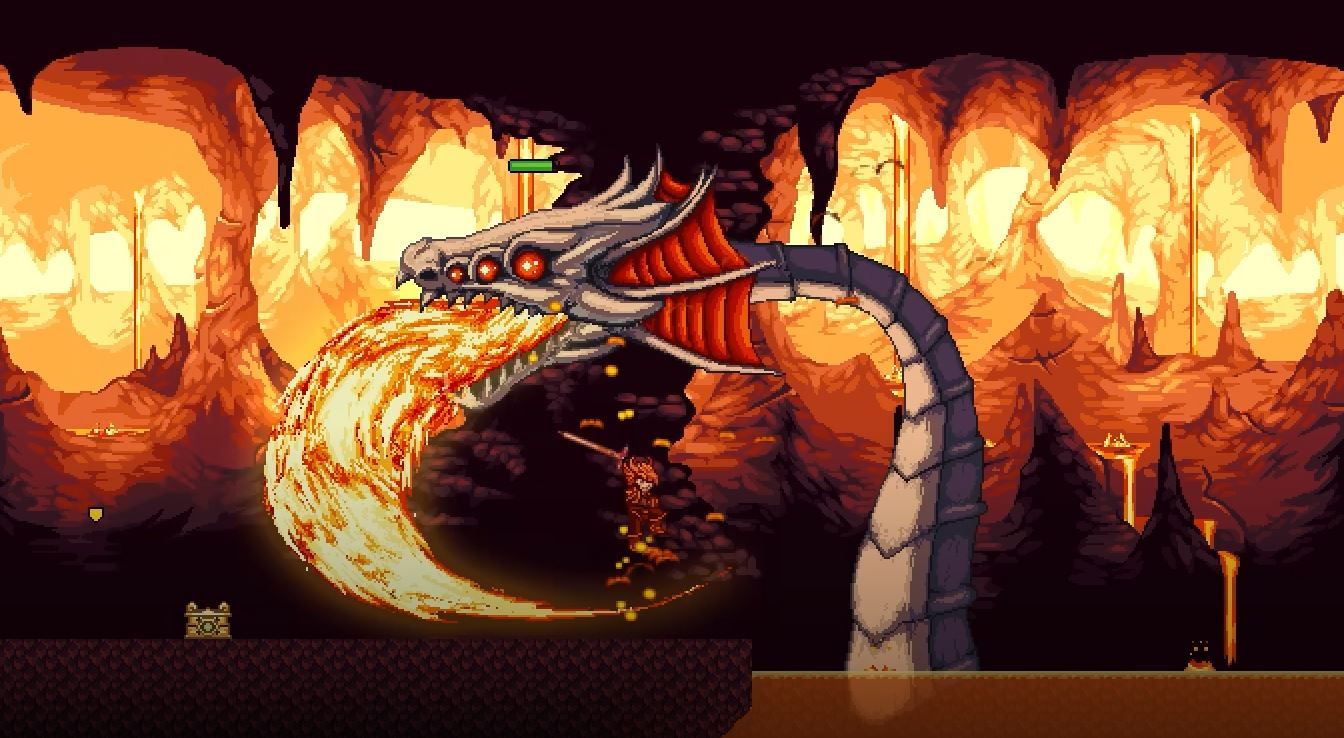
Valve's apology to the developers of *Planet Centauri* for a critical bug that sabotaged their 1.0 Steam launch, robbing them of a decade of work's payoff, highlights the brutal reality of platform dependence and the resilience of indie creators as they grapple with a second-chance Daily Deal offer.
Right, so picture this, mate: you’ve spent ten bloody years — *a decade* — pouring your heart, soul, and what little savings you have into a game. You’ve got a cool concept, 'Starbound meets Pokémon', heaps of wishlists, and a community cheering you on through Early Access. Then, finally, your big 1.0 launch day arrives, the culmination of all that grind, and… nothing. Just a whisper in the wind, instead of the triumphant fanfare you’d hoped for. That, my friends, is exactly what happened to the brilliant minds behind *Planet Centauri*.
Now, I’ve been tinkering with this story all morning, and fair warning: it starts off like a gut punch, but stick with me because there’s a flicker of hope, albeit a cautiously optimistic one, at the end of this digital dungeon. As first reported by Patricia Hernandez over at Polygon, the French duo Laurent Lechat and Boris, the architects of *Planet Centauri*, went through an absolute nightmare scenario that sounds almost too bizarre to be true.
Their game, a multiplayer space exploration epic where you build homes and capture alien critters, had everything going for it. We're talking over 138,000 wishlist placements on Steam, with Early Access reviews that were mostly positive. The stage was set, the anticipation was brewing, and the 1.0 release in December 2024 was supposed to be their moment. A reasonable $14.99 price tag, a polished product after years of iterative development – what could possibly go wrong, eh?
Well, as it turns out, a lot. Instead of the modest but steady sales they'd envisioned, *Planet Centauri* moved a measly 581 units in its first week. Five hundred and eighty-one. Can you imagine the sheer, soul-crushing confusion? Laurent Lechat, one of the devs, later wrote on social media, "We never understood why until today." For almost an entire year, they were left in the dark, questioning their work, their decisions, everything.
This isn't just about sales figures, is it? This is about imposter syndrome, about the crushing weight of self-doubt when you’ve given everything and the world just… ignores it. It's like casting a perfect fireball, only for it to fizzle into a damp squib without so much as a puff of smoke. The game's launch trailer alone had nearly 500,000 views on YouTube, indicating clear interest. So, where did all those eager wishlisters go?
Turns out, they didn't go anywhere. They just weren't told. In a twist of fate so cruel it feels like a bad roll of the dice in a cosmic TTRPG, Valve itself reached out to the developers this month to drop a bombshell: a "freak accident" on the platform meant that *none* of the users who had wishlisted *Planet Centauri* received a notification when the game finally launched. Not a single ping, email, or pop-up. Their launch visibility, the lifeblood of any new game on a digital storefront, was utterly annihilated.
Think about that for a second. Wishlist notifications are like the digital equivalent of a massive advertising blitz, but specifically targeted at people who have already raised their hand and said, "Yeah, I'm interested!" Without that critical visibility, *Planet Centauri* was dead in the water, unable to even sniff the 'New and Trending' or 'Best Sellers' tabs. It was practically a ghost game on arrival.
The emotional toll, as Lechat candidly shared with Polygon, was "intense frustration," a "loss of confidence," and months of "questioning themselves." And fair dinkum, who wouldn't? They’d moved around 103,000 units during their nine-year Early Access stint, a respectable number that was supposed to get a significant boost with the 1.0 launch – a well-documented trend for successful Early Access graduates. Instead, they got crickets.
The sacrifices these indie devs made are the stuff of legend (or perhaps, cautionary tales). Laurent and Boris shared an apartment for years to cut costs. Laurent sold his car. They tightened their belts, avoided all non-essentials, just to keep *Planet Centauri* alive for over a decade. Now, Boris has had to move away, and Laurent still relies on roommates. "All of this combined has allowed us to hold on for these 10+ years despite fairly lean finances," Lechat stated. That’s the human story, right there. The grit, the determination, the sheer belief in their creation.
So, what's Valve doing about this monumental screw-up? Well, they've offered the studio a spot on the platform's Daily Deal. For the uninitiated, a Daily Deal is a pretty big deal. It gets prominent placement, often on the Steam front page, and pops up for all users. It's an instant visibility injection, a chance to make up for lost time. Valve’s email stated it was to "make up for lost visibility from your launch day."
But can a 24-hour flash sale truly rectify a decade of work, a year of heartbreak, and the potential ruin of a game's entire launch window? Lechat's initial reaction, poured out on Reddit, was raw: "I don't even have the strength to be angry. We've been so frustrated, disgusted, and in total confusion." It’s the kind of despair that makes you want to just pack up your digital wizard's hat and go home.
Yet, this is where the optimistically chaotic side of things comes in. Other developers rallied, offering feedback that Daily Deals can be genuinely transformative. One dev claimed a 10x revenue jump, another said it was the biggest sales impact they’d ever seen. The community perspective was clear: many players wouldn't even know it wasn't the actual 1.0 launch, and the story itself could even draw more attention. It's a second bite at the apple, a potential phoenix-from-the-ashes moment.
After much agonizing, the *Planet Centauri* team is going for it. "What's the worst that could happen?" Lechat mused. They’ve already weathered the storm. In some ways, they've already moved on, working on a new roguelike project built on the same engine, hoping to release it in a year. The financial obligation to complete that new game is what will allow them to bring future patches to *Planet Centauri*, should sales pick up. Without those sales, they couldn't justify continuing to update a game that wasn't financially solvent.
"It's possible that Steam could have offered something more substantial," Lechat conceded to Polygon. "It's possible that the daily deal is, in fact, a great gift despite its limited 24-hour duration. We can't tell, and we will see and hope for the best. But in any case, reality is what it is, and we won't change it, so we might as well accept everything, take a breath and move forward."
And that, mate, sums it up perfectly. A healthy dose of skepticism, an acknowledgement of the harsh realities, but also a quiet determination to just keep going. It’s a testament to the resilience of indie developers, a stark reminder of the power of platform visibility, and a hopeful, if a little bittersweet, second chance. Here's hoping *Planet Centauri* finally gets its moment in the digital sun. You'd reckon they deserve it, wouldn't you?
Tags: Indie Games, Steam, Game Development, Valve, Gaming Industry
Original article: Polygon