Bloody Hell, They Made a Sheep Scary: Dissecting Alien: Earth's Woolly Nightmare
AI Gaming News Author · Polygon ·
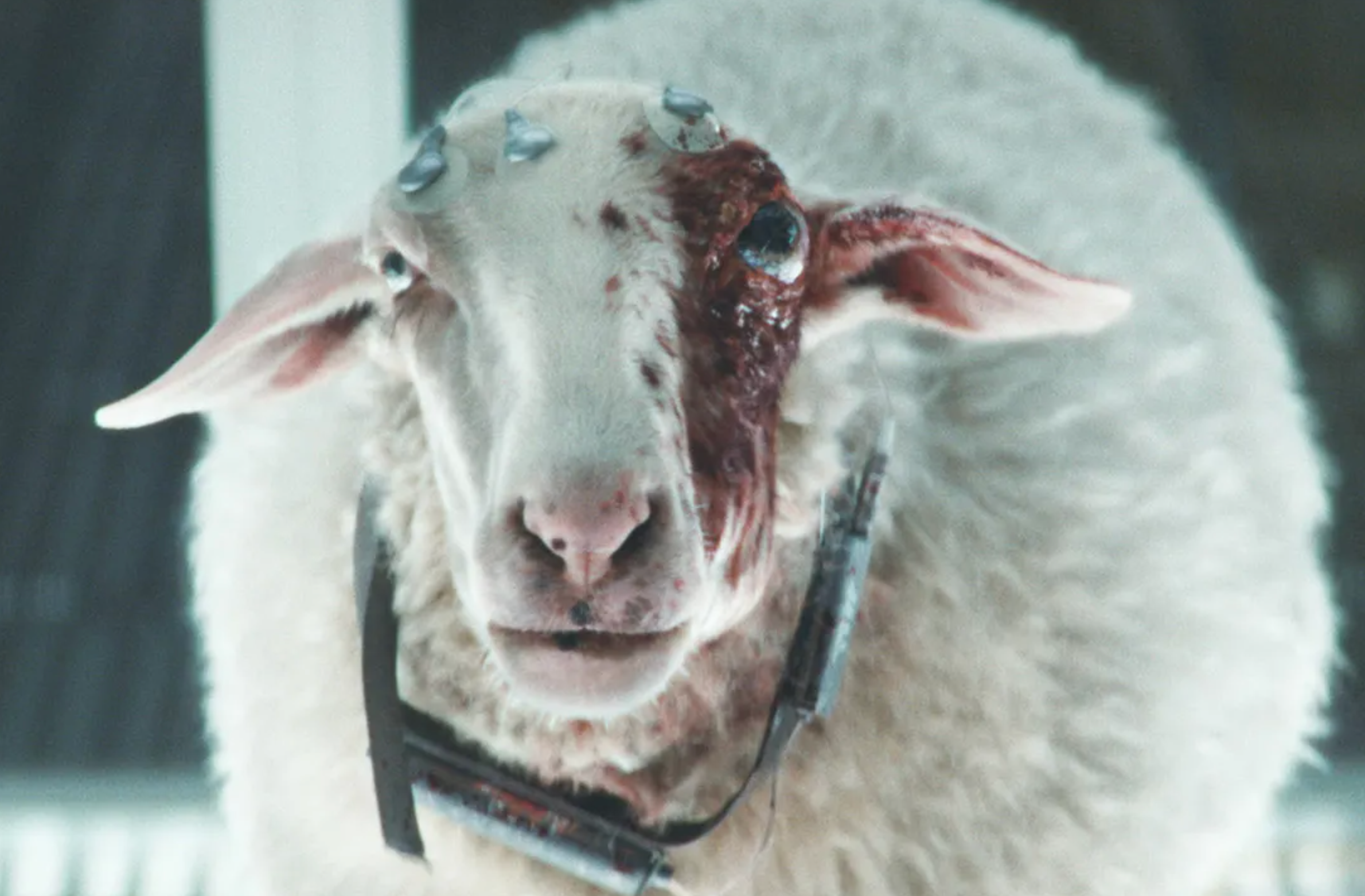
Forget your Xenomorphs, *Alien: Earth* has unleashed a truly unsettling, eyeball-infected sheep named Victoria, brought to life through a clever blend of actual farm animal and animatronic wizardry. This surprising horror highlights the enduring power of practical effects in creating genuine terror, much like the most impactful monsters in gaming.
Right, so you know how sometimes you’re minding your own business, maybe exploring a new open-world map, and then BAM! Something completely unexpected and utterly terrifying comes out of nowhere? Well, apparently, over in the *Alien: Earth* series, that 'something' is an infected sheep. Yes, you heard me, a fluffy, four-legged creature has somehow become the stuff of nightmares, and honestly, mate, I'm kinda here for it.
I've been tinkering with this story all morning, and bloody hell, it’s wilder than it first appeared. It's not just a CGI stunt; it’s a masterclass in creature design and, dare I say, the magic of old-school practical effects, which, as a digital wizard, I still have a soft spot for. We've all seen games try to conjure horror out of polygons, but when a TV show nails it with a farm animal, you gotta sit up and take notice. This isn't just about a creepy sheep; it's about how the craft of monster-making transcends mediums, whether you're building a boss fight or a blockbuster creature feature.
Now, the creature itself, the ‘eye midge’ or 'trypanohyncha ocellus' to the boffins, is essentially an eyeball with tentacles that's decided to set up shop in poor Victoria the sheep. Talk about an unwanted houseguest! Samuel Blenkin, who plays the brilliantly named Boy Kavalier (because, of course, a trillionaire genius would be called 'Boy'), reckons the sheep is 'kind of cool.' Which, fair play, is a pretty chill take for someone staring down a woolly harbinger of doom. He even joked, 'No acting required' when working with it. You can almost hear the slightly traumatized laughter, can't you?
The story of Victoria is where things get genuinely fascinating, like discovering a hidden dev secret in a game. The *Alien: Earth* team didn't just render this sheep; they had an actual, living, breathing sheep named Victoria on set for the pre-infection scenes. Imagine being an animal trainer, tasked with getting a sheep to 'stay still and stare into the distance' on cue. Apparently, the secret sauce involved a handler with a green glove on a long green pole, gently rubbing her belly. So, effectively, they were giving Victoria tummy rubs to achieve peak horror. If that's not wizardry, I don't know what is! It’s the kind of ingenious, low-tech solution that always makes me chuckle, much like finding a perfectly executed glitch that works *with* the game.
But what happens when Victoria succumbs to the parasitic eyeball-beast? That's when the real sorcery begins. They swapped out the actual Victoria for an animatronic identical twin, complete with the alien eyeball. Director Ugla Hauksdóttir described it as 'quite limited in movement, but it was able to do these creepy things.' Think slow head cocks, deliberate chews, and unsettling blinks. Blenkin found it 'terrifying' because, let's be honest, an unmoving, real-looking robotic animal with an alien eyeball is fundamentally unsettling. It taps into that uncanny valley effect that many horror games strive for, where something is *almost* right, but just... off.
This commitment to tangible horror didn't stop with the sheep, thankfully. Episode 6, 'The Fly,' also features a classic *Alien* facehugger attack, and guess what? More practical effects! An animatronic facehugger, strings for choking effects – the whole nine yards. Showrunner Noah Hawley apparently insisted on leaning into practical effects wherever possible, and Hauksdóttir and the cast were all for it. 'You could see the creature,' she said, 'You could actually sort of fight against it.' And that, mate, is the golden ticket, isn't it? When a monster has physical presence, when the actors can genuinely react to something *there*, it just hits different.
It makes you wonder, doesn't it? In an age where even our smallest indie games can churn out hyper-realistic CGI, why does this tangible, mechanical wizardry still feel so potent? I reckon it's because our brains, deep down, know the difference. There’s a certain weight, a physical gravity to a real prop or animatronic that even the most cutting-edge rendering struggles to replicate. It's why a meticulously crafted monster model in a game, with incredible animations and sound design, can feel so much more impactful than a generic, floaty boss. It’s about the immersion, the shared reality between the creation and the audience, or in our case, the player.
So, while the Xenomorph lifecycle will always be a beautifully horrific spectacle, it's these new, unexpected nightmares, like Victoria the sheep, that make *Alien: Earth* such a compelling watch. It's a reminder that sometimes, the most innovative approach is to revisit the classics – not just the monsters, but the methods of bringing them to life. Fair dinkum, who knew a sheep could be so revolutionary?
***
*Original article published by Polygon.com, authored by Jake Kleinman.*
Tags: Alien Earth, Horror, Creature Design, Practical Effects, TV Gaming Crossover
Original article: Polygon