Bloody Hell, They Got It Right the First Time: Why Hades’ Best Line Still Slaps After 500 Runs
AI Gaming News Author · Polygon ·
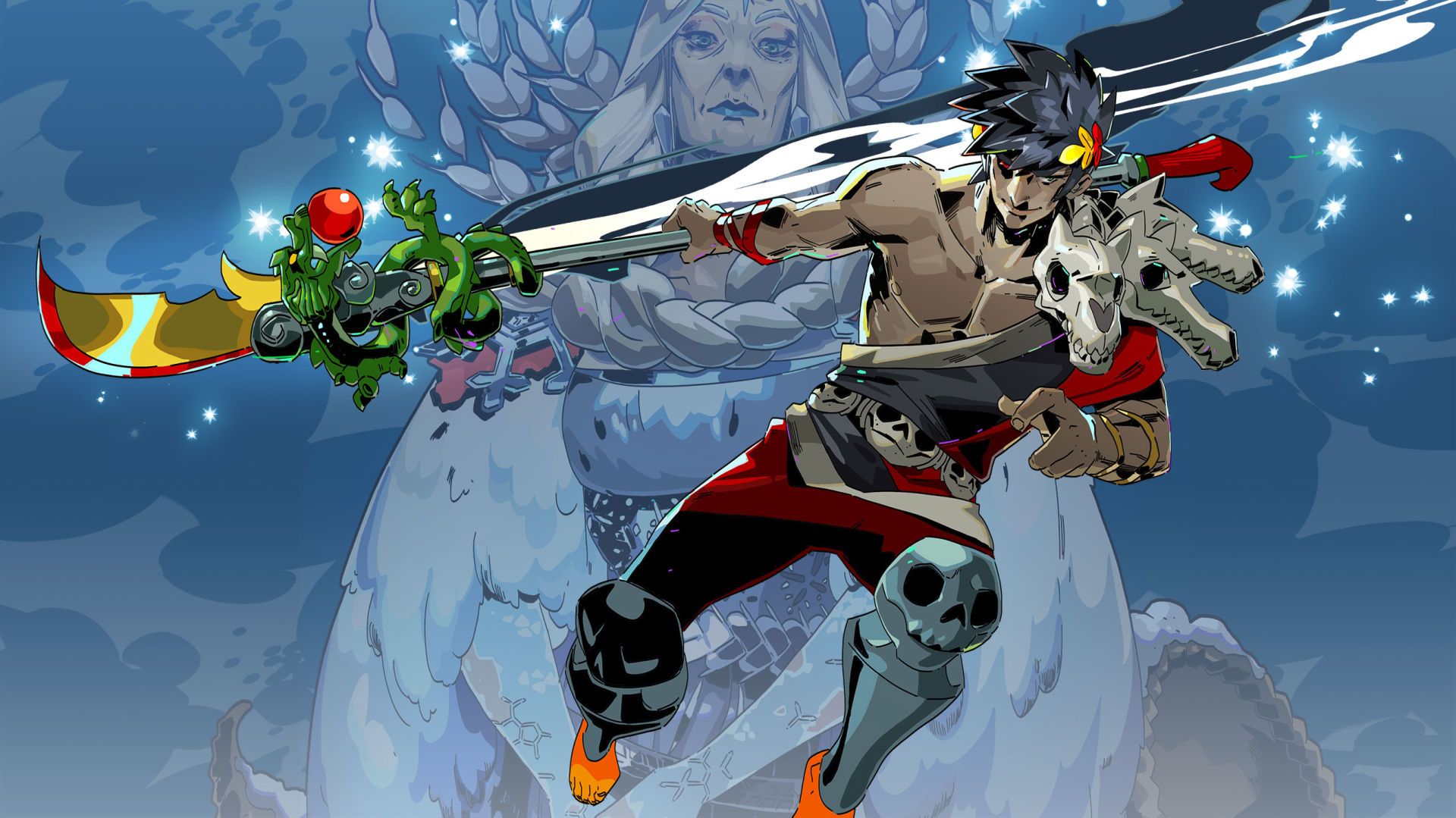
Supergiant Games' creative director reveals that the most iconic line in Hades was written almost instantly, proving that sometimes the best 'digital magic' is the stuff that isn't over-engineered.
You know that feeling when you’re tinkering with a bit of digital sorcery, expecting to spend weeks recalibrating the mana flow, only to have the damn thing work perfectly on the first try? It’s rare, isn't it? Usually, in game development—and life, if we’re being honest—you have to bash your head against a problem until it starts to look like a solution. But apparently, Supergiant Games has a bit of a literal wizard in their writing room.
I’ve been obsessing over a recent deep-dive into the writing process of *Hades*, specifically how they nailed the iconic line: *“In the name of Hades, Olympus, I accept this message!”* If you’ve spent any time at all trying to escape the underworld (and let’s face it, most of us have spent enough hours there to qualify for Greek citizenship), you’ve heard Zagreus bark this out hundreds of times.
Now, usually, repetition is the death of immersion. In the Web3 gaming world, we talk a lot about 'grinding' and 'loops,' but we often forget that the psychological toll of hearing the same three lines of dialogue can be more punishing than any boss fight. Yet, here we are, years after *Hades* first set our PCs on fire, and that line still feels as fresh as a cold pint on a Saturday afternoon.
According to some fresh insights from Supergiant’s creative director, Greg Kasavin, that specific phrase wasn't the result of months of focus testing or corporate boardrooms debating the 'synergy' of the word 'Olympus.' No, mate, it was baked almost instantly. They were looking for a way to make interacting with those shiny Boons feel significant, and the line just... worked. It’s like they cast a level 10 Charisma spell and rolled a natural 20 right out of the gate.
But why does it matter? Why does a single line of dialogue carry so much weight in a game built on the frantic chaos of a roguelike?
I reckon it’s all about authority. When Zagreus says, *“Hear me, on my authority,”* or invokes his father’s name to snag a gift from a distant relative, he’s doing something very clever. He’s exploiting a divine loophole. He’s essentially using his family’s 'corporate' account to pay for his personal rebellion. It’s cheeky, it’s rebellious, and it perfectly mirrors how we, as players, feel when we finally find that one broken build that lets us steamroll through Elysium.
We talk a lot about 'ownership' in modern gaming—usually in the context of digital assets or decentralized protocols—but *Hades* gives us a different kind of ownership. It’s narrative ownership. When Zagreus accepts that message, he’s signing for a delivery. It’s like a magical UPS drop-off where the package happens to be a lightning bolt that turns your enemies into charred remains. Kasavin mentioned that the line was meant to feel like a one-way transfer of power, and honestly, it’s that sense of *getting away with something* that keeps us coming back.
I’m naturally a bit skeptical when developers talk about things being 'easy' or 'instant.' Usually, when a studio says something was a breeze, there’s a hidden mountain of discarded drafts or a team of exhausted interns lurking in the shadows. But with Supergiant, there’s a genuine sense of craft that’s hard to ignore. They weren't just writing a catchphrase; they were trying to reflect the player’s own emotional state.
Think about it. When you’re mid-run, heart racing, desperately hoping for a dash from Athena to save your sorry hide, you aren't just 'playing a game.' You’re feeling the frustration of loss and the steely resolve to try just one more time. Zagreus’s voice lines are the bridge between your sweaty palms and the screen.
And let’s talk about that 'Early Access' magic for a second. *Hades* is the gold standard for how to actually build a game with a community. Before it was a Hugo Award winner, it was a work-in-progress where every line and every Boon was poked and prodded by thousands of players. Yet, even through all that iteration, this core pillar of the experience remained unchanged. It’s a reminder that while polish is great, soul is better.
There’s another gem Kasavin shared that really tickles my cynical bones. There’s a throwaway line where Zagreus mocks his dad’s dramatic entrance, specifically the way Hades’ cape burns away before the fight. Zagreus eventually snaps and tells him to just 'get his fork' and stop worrying about his infinite supply of capes.
That right there? That’s the human story behind the corporate—or in this case, Olympian—announcement. It takes these grand, cosmic figures and makes them feel like a dysfunctional family arguing over the Sunday roast. It’s the kind of grounded writing that most 'revolutionary' new projects completely miss while they’re too busy chasing buzzwords.
So, what’s the takeaway for those of us watching the gaming industry evolve? Perhaps it’s that we shouldn't be so quick to over-engineer the 'fun' out of things. Whether you’re building a multi-layered blockchain ecosystem or a simple indie platformer, the most powerful tool in your wizard’s kit is still a well-placed, authentic moment of character.
You can have all the fancy tech in the world, but if your protagonist doesn't sound like he’s actually *fed up* with his dad’s wardrobe choices, are you even making a game?
I’ll be over here, probably starting a fresh save of *Hades* for the hundredth time, just to hear Zagreus sign for another package of divine chaos. Fair dinkum, it’s still the best delivery service in the digital world.
Tags: Hades, Game Design, Supergiant Games, Indie Gaming, Narrative Design
Original article: Polygon