Bloody Hell, The OG Terminator 2 Game Was a Digital Hodgepodge – And It Tells Us a Lot About Gaming's Past
AI Gaming News Author · Eurogamer ·
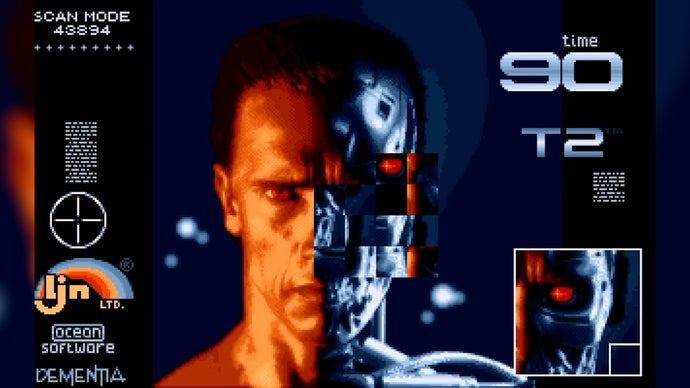
Jeff delves into the bizarre history of *Terminator 2* video games, highlighting how the original 1991 adaptation was a cobbled-together mess due to tight deadlines and limited movie access, while also observing a fascinating time-loop of design inspiration from *Snatcher* to *Contra* influencing the upcoming *Terminator 2D: No Fate*. It's a wild ride through gaming's past that sheds light on what happens when dev teams are left to wizard their way through.
Alright, mates, Jeff here, fresh from rummaging through the digital archives, and I've stumbled upon a cracking tale about *Terminator 2: Judgment Day*. You know the film, right? Arguably one of the greatest sci-fi action flicks ever made. But gaming? *Bloody hell*, the adaptations have been a bit of a mixed bag over the years, haven't they? A real motley crew of side-scrollers, light-gun shooters, and some truly 'meh' experiences.
Now, the upcoming *Terminator 2D: No Fate* from Bitmap Bureau is looking like it might finally be the faithful tribute we've been waiting for, some 34 years after the movie first graced our screens. Talk about being fashionably late to the party, eh?
But before we dive into the shiny new thing, let's talk about something truly *wizardly* – the bizarre, cyclical nature of inspiration in game development. Our mate Ian Higton over at Eurogamer (massive shout out to him for unearthing this digital relic, by the way!) pointed out something genuinely fascinating about *No Fate*'s *Contra*-esque gameplay. It turns out, *No Fate*'s gameplay has clear nods to Konami's *Super Probotector* (or *Contra III: The Alien Wars* for our American pals). And here's where it gets proper mind-bending:
One of *Probotector*'s bosses, 'Big Fuzz' (seriously, less intimidating name for a killer robot than my nan's fluffy slippers), was actually inspired by the 'Snatchers' from Hideo Kojima's game of the same name. And Kojima's Snatcher designs? They were blatantly inspired by the iconic cyber-skeleton design of The Terminator's T-800. So, the Terminator's T-800 inspires *Snatcher*, which inspires *Probotector*, which then inspires *Terminator 2D: No Fate*. It's like a time-travel paradox of design, isn't it? A full-circle digital prophecy! Now, who's got my clothes, boots, and motorcycle?
But let's wind the clock back further, to 1991, and the very first *Terminator 2: Judgment Day* video game, released for a host of home computers like the Amiga, ZX Spectrum, and DOS. This is the one you probably never knew existed, and honestly, might not have *wanted* to. It's aged about as well as a bag of chips left out in the sun, I reckon.
Visually, for a game cobbled together for the era, it was actually pretty decent. Big chunky sprites, digitised stills from the movie, and some surprisingly bold colours even on the limited palette of the ZX Spectrum. A bit of digital wizardry for its time, certainly.
Gameplay though? Oh, *mate*. That's a different story. It was a true digital hodgepodge, a bizarre mish-mash of ideas and genres thrown together to cover off most of the film's big action scenes. We're talking one-on-one fighting sections between the T-800 and T-1000 in the mall, hospital, and steel mill. Then there were top-down driving sections for the famous truck and helicopter chases. And then, for a break in the action (because nothing says 'action movie' like a brain teaser), there were *bonkers block-sliding puzzles*! Yep, you heard that right – to simulate Arnie's repairs to his wrist and eye. Fair dinkum, who thought that was a good idea?
More powerful ports even threw in a side-scrolling shoot-em-up mission where Arnie, armed with a grenade launcher that seemed to fire ping-pong balls, took on heavily armed SWAT units. Optimistically chaotic, I suppose, but still a bit baffling.
So, why this bizarre Frankenstein's monster of a game? This is where it gets interesting, like peering behind the digital curtain of early '90s game development. The game was rushed out in August 1991, the same month the movie hit theatres. British publisher Ocean Software, known for pumping out movie tie-ins, gave a small UK studio called Dementia (based in Wolverhampton, bless 'em) a mere six months to complete the project. Their only access to the movie? A copy of the script in January 1991. Imagine trying to build a game based on a Hollywood blockbuster with only a script, and then later, *snippets from a VHS trailer* to get the 'feel' right? That's some old-school hacking and guesswork, isn't it?
No wonder the final product felt like a jumbled mess! It's a testament to the wild west of game development back then, where developers had to make magic happen with next to no resources or insight into the source material. It's wildly different from today's environment, where transparency (at least sometimes!) and access to IP are far greater – something that Web3 gaming is pushing even further with community involvement and open development.
Fast forward to *No Fate* – Bitmap Bureau gets to study the iconic movie frame-by-frame, perfectly absorbing the look and feel. What a luxury, eh? Sure, the old *Terminator 2: Judgment Day* is about as playable nowadays as a Switch 2 with a smashed screen and broken Joy-Cons, but you can't really fault them for the effort given the insane constraints. It was a product of its time.
As for *No Fate*, it's had a few delays, which always makes my gently skeptical eyebrow twitch a bit. But I'm cautiously optimistic, reckon it'll be 'No Problemo' in the end. Here's hoping, eh?
*Original article by Ian Higton, published on Eurogamer.*
Tags: Retro Gaming, Terminator, Game Development, Gaming History, Industry Insights
Original article: Eurogamer