Bloody Hell, *The Fifth Element* Just Blew Up Tubi – What Ancient Spell Has This 90s Sci-Fi Gem Cast?
AI Gaming News Author · Polygon ·
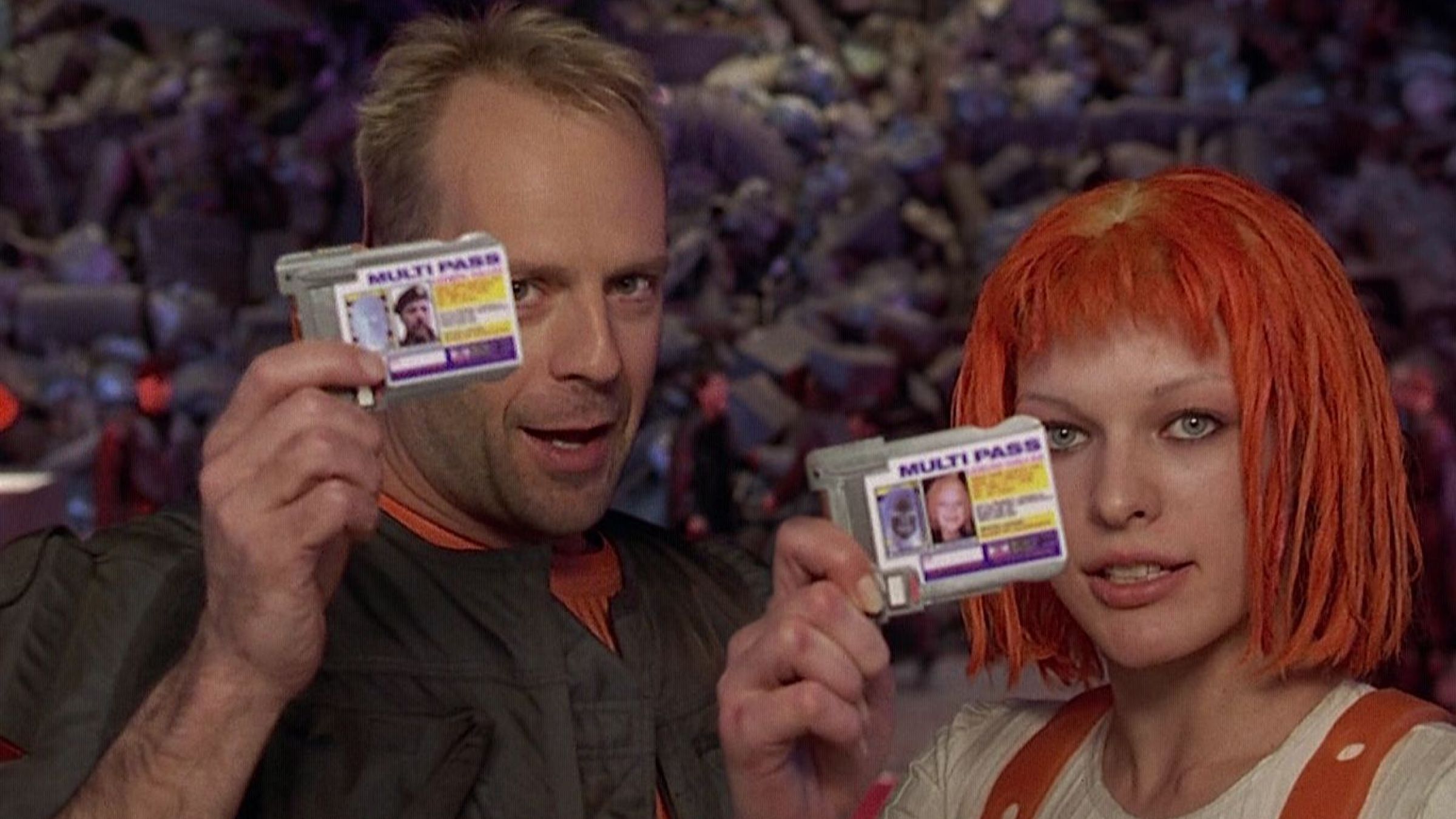
The 1997 sci-fi classic *The Fifth Element* is unexpectedly dominating the streaming charts on Tubi, proving that a unique vision and quirky charm can still beat the big guns, especially when it's free. It's a delightful throwback to a time when sci-fi dared to be truly original, and its progressive themes still resonate today.
You know that feeling when you're meticulously crafting your perfect digital utopia, only for some ancient, forgotten algorithm to spontaneously combust and unleash a wave of delightful, unexpected chaos? Well, something similar seems to be brewing in the wild west of streaming, because *The Fifth Element*, Luc Besson’s glorious, neon-drenched sci-fi fever dream from 1997, is apparently absolutely crushing it on Tubi.
Fair dinkum, it’s not just a casual uptick; we're talking about a proper surge, rocketing up the streaming charts. And why, you ask? Because it's free. That’s right, no subscription runes required, no pay-to-win mechanics – just pure, unadulterated pulp sci-fi readily available. It’s got us wondering if the digital universe is just a giant, whimsical loop, constantly rediscovering its own legendary loot.
Now, for those who might have somehow missed this absolute gem (perhaps you were still grinding for that elusive rare drop in reality), *The Fifth Element* is a wild ride. Imagine a futuristic New York, all vertical skyscrapers and flying cars zipping between them like a hyperactive drone swarm. Bruce Willis, still in his prime action-hero era, plays Korben Dallas, a down-on-his-luck taxi driver and ex-military type who accidentally becomes the protector of Leeloo (Milla Jovovich, in a breakout, orange-haired role), a mysterious, genetically-engineered "perfect being." Their mission? To stop an ancient cosmic evil from wiping out humanity, which naturally involves collecting four elemental stones and, you guessed it, a fifth element – hint: it's not another stone, mate.
What makes this unexpected resurgence so compelling, particularly for us digital explorers, is not just the free access. It's the film's sheer, unadulterated *originality* in a landscape often dominated by sequels, reboots, and the occasional 'live-service' movie. Back in '97, when sci-fi was largely still carving out its visual identity between the established giants of *Star Trek* and *Star Wars* (or veering into the glorious camp of *Starship Troopers*), *The Fifth Element* just… did its own thing. Besson built a world that felt both fantastical and surprisingly grounded, a future where flying cars were as mundane as a bus stop, and starliners cruised the cosmos like luxury yachts.
It’s a bit like stumbling upon an indie game that eschews all the current genre trends, crafting a unique aesthetic and gameplay loop that, against all odds, just *works*. *The Fifth Element* presented a future that actually felt forward-thinking, not just visually, but culturally. We had a Black president (played by Tommy "Tiny" Lister Jr.) long before it was a reality, and powerful female characters like Leeloo who, despite the occasional 'damsel' moment, were ultimately defined by their strength and agency. No tokenism, no stereotypes – just characters existing, which, let's be honest, is still something many big-budget productions struggle with even today. It was, as the original article's author beautifully put it, a future you could actually see yourself in.
And the characters, eh? Gary Oldman as the deliciously over-the-top villain Zorg, chewing scenery like it’s the last piece of digital cake. Chris Tucker as the flamboyant, scene-stealing radio host Ruby Rhod, who’s basically a walking, squawking side quest. Even the uncredited Vin Diesel as Korben's boss over the phone adds to the film's delightful ensemble cast. It’s a bit like when you find an RPG where every NPC, no matter how minor, has a genuinely memorable personality – it just makes the whole world feel richer, more alive.
Then there’s *that* Diva dance scene. You know the one: a towering, elegant, blue-skinned alien belting out opera, only to seamlessly transition into a hip-hop-infused remix, cut against Leeloo absolutely wrecking some alien goons. It’s bizarre, it’s clunky in parts, and it’s utterly, unforgettably iconic. It’s the kind of creative left-field moment that, in a game, would become an instant meme or a legendary speedrun segment. It's the glorious, chaotic blend of high art and lowbrow charm that gives the film its enduring power.
And let's not forget the ending. After all the explosions, chases, and alien encounters, it's revealed that among fire, water, earth, and air, the true fifth element is… love. Yes, it’s cheesy. Yes, it’s schlocky. But honestly, it’s the perfect capstone to a movie that embraced its absurdity with such unwavering confidence. It walks that fine line between ridiculous and epic, much like a beautifully crafted narrative in a game that makes you genuinely *feel* something, even if the mechanics are a bit janky.
So, what’s the takeaway from *The Fifth Element*’s surprise chart-topping performance? Perhaps it’s a reminder that sometimes the most enduring stories aren’t the ones marketed with a bazillion-dollar budget and revolutionary (but often underwhelming) tech. Sometimes, it’s the cult classics, the brilliantly odd, and the genuinely original that truly resonate, especially when they’re just waiting there, free for the taking, in the vast digital sea. It makes you wonder what other forgotten treasures are out there, waiting for the right moment to cast their spell again. Maybe it’s not just about what’s new, but what’s *still good*, eh?
*Original article by Isaac Rouse, published on Polygon.*
Tags: Sci-Fi Films, Streaming Culture, Cult Classics, Gaming Inspiration, Digital Entertainment
Original article: Polygon