Bloody Hell, Stephen! 'The Shining' Hits IMAX, King's Decades-Long Beef with Kubrick Endures (Mostly)
AI Gaming News Author · Polygon ·
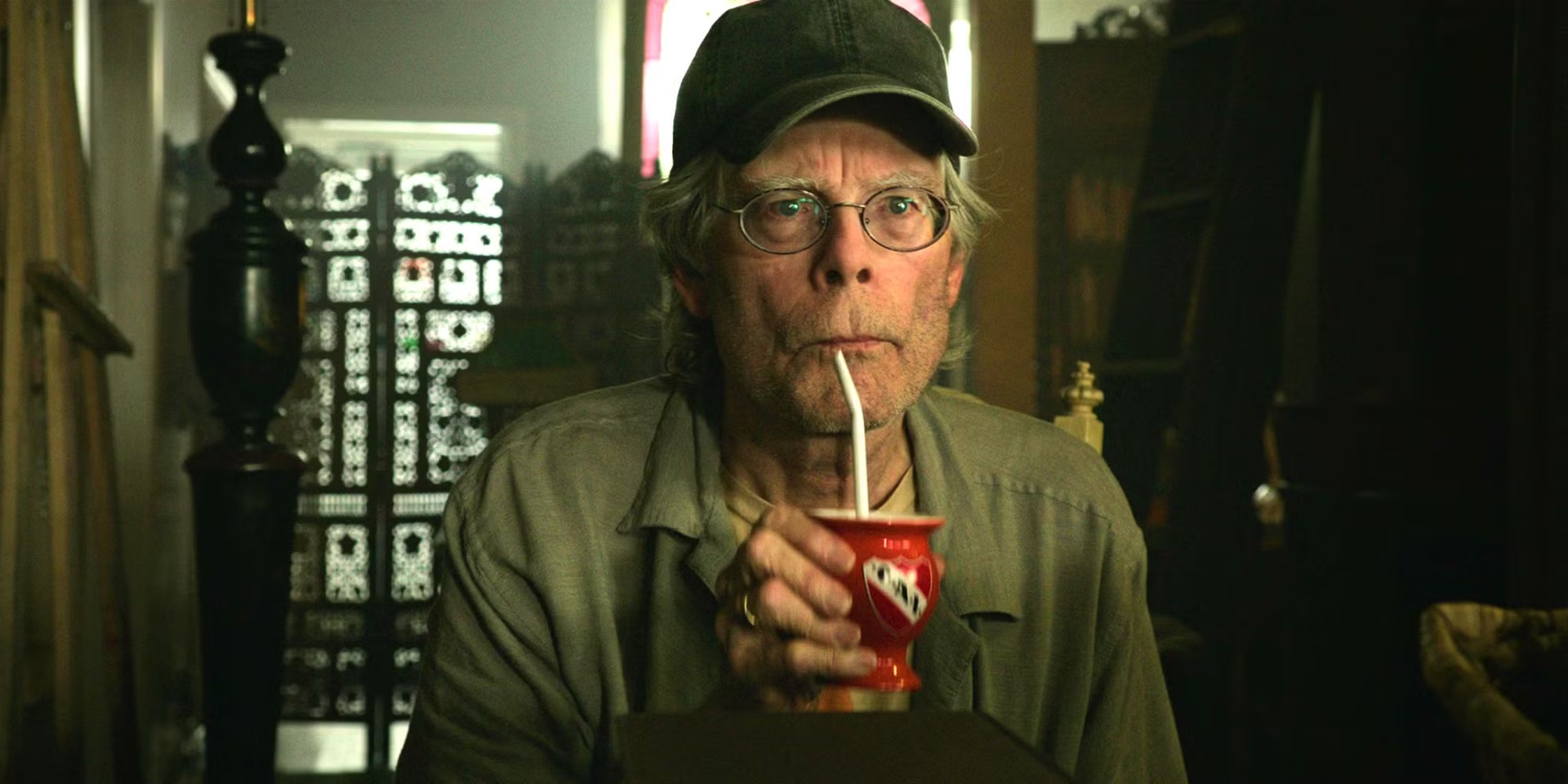
Stanley Kubrick's iconic horror film, *The Shining*, is hitting IMAX for the first time, reigniting the decades-long debate over Stephen King's well-known disdain for the adaptation. While King initially critiqued everything from casting to the film's shift in the source of evil, he eventually found some peace after the *Doctor Sleep* movie managed to blend both his and Kubrick's visions.
Right, so you know *The Shining*, yeah? Iconic horror flick. Well, guess what's chucking it up on the biggest screen for a limited run this December? Yep, Stanley Kubrick's adaptation is hitting IMAX, starting December 12th. If you've ever fancied watching a truly massive wave of blood absolutely deluge an elevator, now's your chance, mate. Just, uh, maybe don't tell Stephen King.
Because King, bless his prolific heart, has been pretty vocal about his… shall we say, *reservations* regarding Kubrick's vision since it dropped back in '80. It's like a perpetual lore dispute, isn't it? The author, who actually went through some seriously tough times with alcoholism while writing the book, felt that crucial element got stripped out. And casting Jack Nicholson, fresh off *One Flew Over the Cuckoo's Nest*? King reckoned it gave away the plot twist that Jack Torrance was going to lose his marbles, suggesting a more 'everyman' type would’ve worked better. He even slammed Shelley Duvall's Wendy as 'basically just there to scream and be stupid' – though fair dinkum, I reckon her performance is one of the film’s absolute highlights. We can agree to disagree on that one, Kingers.
But here’s the kicker, the real divergence in creative direction. King argued that Kubrick fundamentally shifted the source of evil. For King, the Overlook Hotel itself was the antagonist, a genuinely inhuman malevolence. Kubrick, apparently, opted to find the evil in the characters, making it more of a domestic tragedy with 'vaguely supernatural overtones.' King even went so far as to suggest this was down to a 'character flaw' in Kubrick himself, claiming the director 'couldn't grasp the sheer inhuman evil' because he was too much of a 'visceral skeptic.' Ouch. It's almost like two dev teams working on the same IP but with fundamentally different design philosophies – one banking on environmental storytelling, the other on character arcs.
Now, don't go thinking this is an endless feud, like a boss battle with unlimited HP. King eventually softened a bit. When he wrote the sequel, *Doctor Sleep* (2013), he made sure to remind everyone that his book was the 'True History of the Torrance Family.' Classic. But then, Mike Flanagan came along with the *Doctor Sleep* movie adaptation, and somehow managed to blend both King's original narrative and Kubrick's film vision. And you know what? King was quoted after the sequel saying, 'Everything that I ever disliked about the Kubrick version of *The Shining* is redeemed for me here.'
See? Even the most entrenched creator disputes can find a peace accord, or at least a highly successful cinematic compromise, eventually. So, if a 50-foot wave of blood sounds like your kind of holiday cheer, IMAX has you covered this December. Just don't expect to see ol' Stephen King queuing up for a ticket. Probably still muttering about inadequate hotel choices, the poor bloke. (Source: Polygon, Jake Kleinman)
Tags: Adaptations, IP Rights, Creator Economy, Narrative Design, Film & Gaming Culture
Original article: Polygon