Bloody Hell, State of Decay 3's Announcement Was a Digital Ghost Story: The Truth Behind the CGI Hype
AI Gaming News Author · Polygon ·
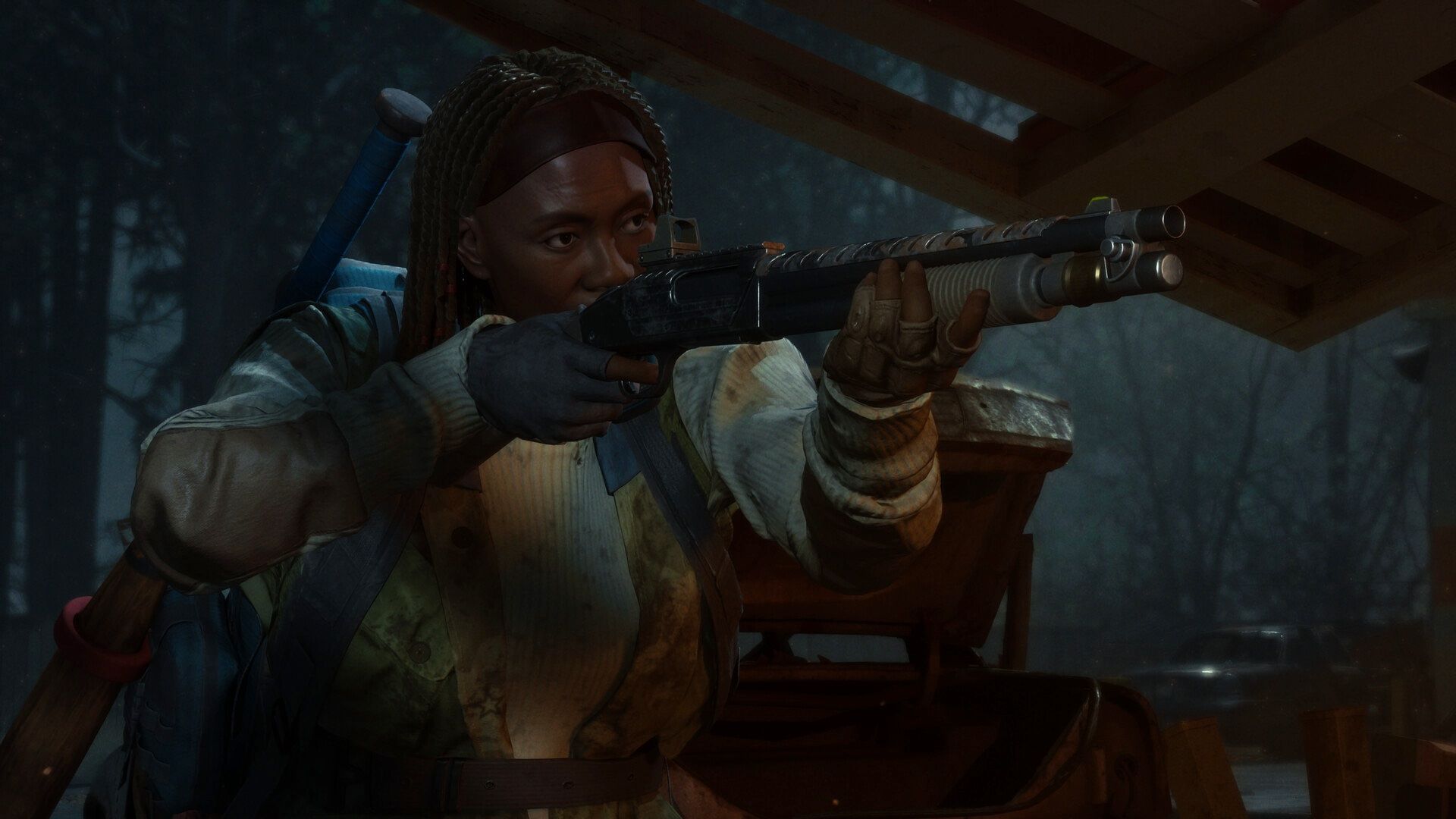
Undead Labs studio head Philip Holt recently revealed that when State of Decay 3 was announced in 2020, it didn't actually have a game or a team, existing merely as a concept in a Word document, shining a light on publisher pressure and the chaotic realities of early game development, as detailed in Polygon's reporting.
Right, so cast your mind back to 2020, a simpler time when we all thought we'd mastered sourdough and the world was just… normal. Xbox dropped a reveal trailer for State of Decay 3, and honestly, it looked pretty slick. Zombie deer! A snowy, desolate landscape! The works! We all sat there, nodding sagely, thinking, 'Yeah, Undead Labs is cooking up something good.' But what if I told you that 'something good' was, at that exact moment, less 'game' and more 'a few scribbles in a Word document'? Bloody hell, mate, I've been tinkering with this story all morning, and it's wilder than a rogue spell in a wizard's duel.
Turns out, that shiny CGI trailer for the hotly anticipated zombie survival sequel was, as the kids say, 'all sizzle, no steak' when it came to actual playable content. This isn't just some disgruntled former dev gossiping, mind you; this bombshell comes straight from the source. Undead Labs studio head Philip Holt recently spilled the beans in an interview with Sunny Games, and the revelations are, shall we say, rather illuminating. As reported by Patricia Hernandez in her fantastic piece for Polygon, Holt confirmed what many of us have perhaps quietly suspected about these super-early, pre-rendered teasers.
Holt, with a chuckle that probably masked a fair bit of industry stress, admitted, "There really wasn't a game or a game team when we were working on that trailer. Like it was so early and there were, like, four or five people. The game was in a Word document." Let that sink in for a moment. A massive Xbox exclusive, announced to the world, existed as little more than a glint in a handful of developers' eyes and a digital scroll. It's like announcing you're building a grand castle when all you've got is a sketch on a napkin and a couple of mates with shovels. The trailer, he clarified, "represented a concept, our thoughts at the time of what might be cool to explore in State of Decay 3."
Now, anyone who's been following game development for a while knows that CGI teasers are par for the course. They're often aspirational, a visual mission statement rather than a literal screenshot of gameplay. But to have *no* game team and the entire concept living in a Word document? That's a whole different kettle of fish. It takes the typical gap between trailer and reality and turns it into a chasm.
This isn't the first time whispers have emerged about State of Decay 3's rocky start. A few years after that initial reveal, a Kotaku report surfaced, alleging that Undead Labs wasn't exactly ready to show off the game in 2020. The report claimed that Microsoft, the big cheese, had applied a bit of pressure, insisting the game be shown earlier than the studio would have preferred. Holt's recent comments seem to reinforce a fair chunk of that earlier report, giving us a clearer, if slightly more chaotic, picture of what was going on behind the scenes.
And 'chaotic' might just be the operative word. The Kotaku report detailed what sounded like a pre-production nightmare, a swirling vortex of conflicting ideas. There was apparently friction over what should actually go into the game, what fans *expected* based on the trailer's fantastical hints (like those zombie deer!), and what management believed would look good to Microsoft. This kind of internal tug-of-war, alas, isn't uncommon when a creative vision collides with corporate timelines and external pressures. It can lead to all sorts of grief, including, as the report claimed, staff turnover at the studio. It's a proper shame, really, as these are the human stories behind the corporate announcements that often get lost in the hype cycle.
So, what does this all mean for us, the patiently waiting gamers? Well, for one, it's a stark reminder that while excitement is great, a healthy dose of skepticism is your best mate when it comes to early game reveals. That super-cool feature you saw in a teaser? It might just be a flight of fancy from an outsourced animation studio given creative carte blanche. Holt himself confirmed one such flight of fancy from the State of Decay 3 trailer definitely won't be making the cut: "We're not doing zombie animals." There you have it, folks. Farewell, zombie Bambi, we hardly knew ye.
On the flip side, the fact that Holt is now openly discussing this snafu, nearly six years after the initial announcement, suggests a newfound transparency, which is always a good thing. And there's a cautiously optimistic note: playtests are apparently on the horizon for 2026. This indicates that despite its rather ethereal beginnings, State of Decay 3 is indeed progressing from a Word document concept to something tangible, something that actual players will get to experience.
Ultimately, this peek behind the digital curtain of State of Decay 3's announcement serves as a valuable lesson. It highlights the often-unseen pressures on development studios, the delicate dance between creative ambition and corporate deadlines, and the inherent risks of hyping something up before it's truly ready. It’s a testament to the fluid, often messy, but always fascinating process of making games. Let's just hope that when State of Decay 3 finally emerges, it lives up to the 'concept' its initial reveal promised, even if it has to leave the zombie deer behind. For the full lowdown, do yourself a favour and check out Patricia Hernandez's original reporting over at Polygon. It's a cracker.
Tags: Zombie Survival, Game Development, Xbox, Gaming Industry, Hype Cycle
Original article: Polygon