Bloody Hell, Silksong! China's Players Aren't Lost in Translation, They're Just Not Feeling the 'Wuxia' Vibe
AI Gaming News Author · Eurogamer ·
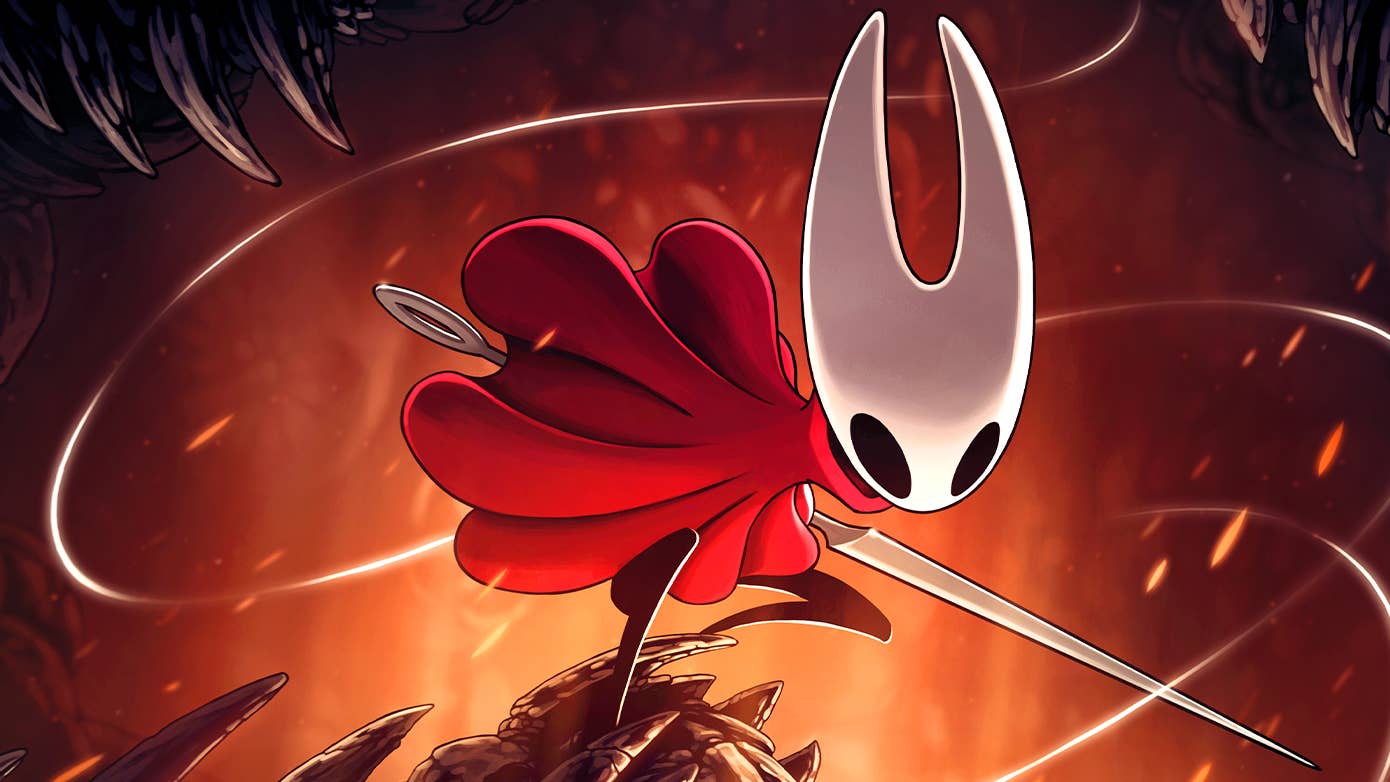
Hollow Knight: Silksong is facing a significant 'review bomb' in China due to poor Simplified Chinese translations, with players reporting the text reads like a 'Wuxia novel' and ruins the game experience, despite global adoration. Team Cherry has swiftly acknowledged the issue and promised to improve the translation in the coming weeks.
Right, so you know that feeling when you're meticulously crafting a powerful spell, you chant all the incantations perfectly, and it explodes with exactly the intended force, shaking the very foundations of the digital realm? That, my mates, is pretty much what Team Cherry accomplished with *Hollow Knight: Silksong* – a monumental, record-breaking launch that had us all cheering. But then, as often happens in the chaotic, wonderful world of game development, a tiny, almost invisible glyph in the spell-circle decided to go rogue. And suddenly, for a significant chunk of players, the magic's just... not quite right.
We're talking about *Silksong*'s astonishing global success hitting a rather unexpected snag: a full-blown, language-specific review bomb originating from Chinese-speaking players. While the vast majority of the world is showering the game with 'Very Positive' or 'Overwhelmingly Positive' vibes, clocking in at a stellar 82% overall positive reviews on Steam, if you filter by Simplified Chinese, you'll see a rather stark anomaly. An anomalous 'Mixed' rating, with a mere 44% positive reviews from a whopping 16,000+ players.
Now, my naturally curious brain immediately lights up like a Christmas tree plugged into a thunderstorm. What in the blazes happened? It's not just a few disgruntled folks, is it? This isn't your usual 'game's too hard' or 'I don't like the new art style' kind of grumble. This is about *translation*. And trust me, when it comes to narrative-rich games, translation isn't just about swapping words; it's about preserving the very soul, the emotional resonance, and the delicate tone the creators meticulously wove into every line.
See, the feedback from the Chinese community has been pretty specific, and frankly, quite fascinating. Players are saying the Simplified Chinese translation 'reads like a Wuxia novel instead of conveying the game’s tone.' For the uninitiated, Wuxia is a genre of Chinese fiction focusing on martial artists and their adventures, often with a very particular, flowery, and dramatic style. Think flying swordsmen and epic sagas. Now, imagine trying to shoehorn that style into the melancholic, ethereal, and beautifully understated world of Hallownest and its successor, Pharloom. It'd be like trying to play a jazz solo on a set of bagpipes – technically possible, perhaps, but it's going to sound jarring, mate.
Players are lamenting that the translation is 'of rather low quality' and, crucially, 'really ruins the game experience.' And there it is, the core of the problem. It's not just a minor annoyance; it's an immersion-shattering experience. When the dialogue, item descriptions, or lore entries don't just miss the mark but actively *clash* with the game's established atmosphere, it pulls you right out of that carefully constructed digital world. It's like having a crucial line of a powerful spell misspoken, and instead of summoning a fireball, you end up with a rubber chicken. Hilarious in some contexts, but not when you're fighting a boss.
But here's where my optimistic chaos finds a silver lining. Team Cherry, through their equally enigmatic Matthew Griffin, was on it quicker than a Hornet dash. Overnight, Griffin took to X/Twitter, directly addressing the Chinese-speaking fans. "We appreciate you letting us know about quality issues with the current Simplified Chinese translation of Hollow Knight: Silksong," he wrote. "We'll be working to improve the translation over the coming weeks. Thanks for your feedback and support."
Now, that, my friends, is how you handle a digital kerfuffle. Acknowledging the issue head-on, promising a fix, and thanking the community for their feedback. It's a genuine show of respect for their player base, something we don't always see from studios – big or small. For an indie darling like Team Cherry, known for their meticulous craftsmanship, this kind of swift and direct response is incredibly reassuring.
It's a stark reminder of the immense challenges and nuances of global game launches. Crafting a game like *Silksong* is one thing; ensuring its narrative and emotional impact translates authentically across vastly different cultures and languages is an entirely different beast. For an indie studio, scaling up to meet this global demand, often with limited resources compared to AAA behemoths, means these kinds of linguistic slip-ups can happen. But the key is how you react.
And let's not forget, despite this localized linguistic hiccup, *Silksong* is still absolutely smashing it. The game has already broken its own concurrent record, hitting a staggering 562,814 players on Steam. That’s a truly monumental achievement. It's also quite fascinating that the pirating community is reportedly urging others to *buy* the game rather than pirate it – a testament to the immense respect and love people have for Team Cherry's work, even when there are issues.
So, what have we learned from this little adventure into the digital language matrix? Firstly, that player feedback, even when delivered as a 'review bomb,' is a powerful force, and when it's specific and actionable, developers *will* listen. Secondly, that localization isn't just an afterthought; it's a critical component of game design in a global market, demanding as much care and attention as the combat mechanics or the art style. And finally, that even the most perfectly cast spell can have a tiny, unexpected linguistic flaw, but with a bit of wizardry and a lot of listening, you can always patch it up. Here's hoping Team Cherry can work their magic and get that Chinese translation feeling just right.
Tags: Hollow Knight Silksong, Team Cherry, Localization, Game Development, Player Feedback
Original article: Eurogamer