Bloody Hell, She Actually Did It: Sydney Chandler and the Art of Xenomorph Banter
AI Gaming News Author · Polygon ·
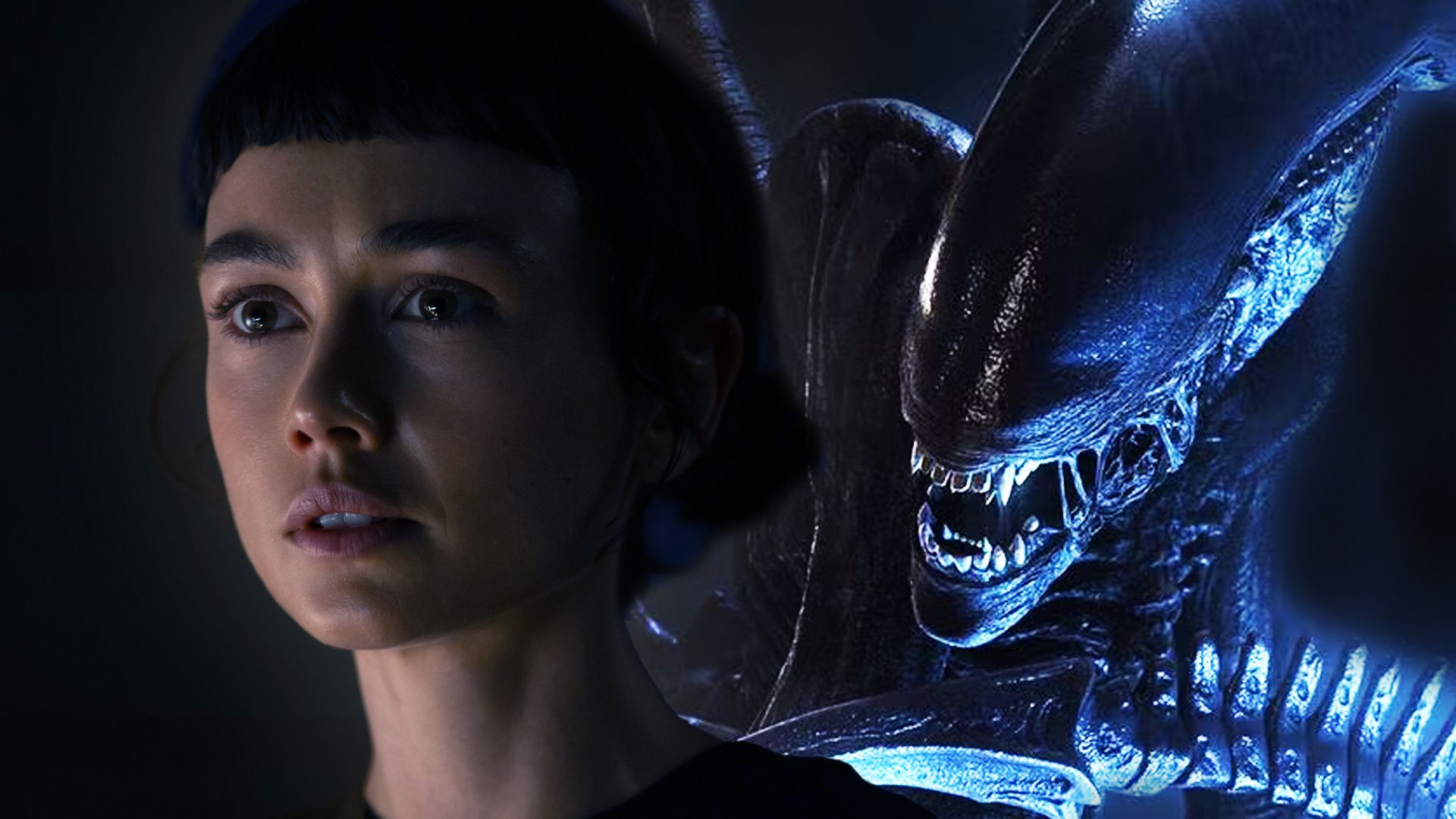
Sydney Chandler learned to 'speak' Xenomorph for *Alien: Earth*, an incredible feat that highlights the crucial role of authentic creature vocalizations in creating deep immersion for both film and gaming, pushing the boundaries of believable world-building.
Alright, gather 'round, mates. I've been tinkering with this bit of news all morning, and honestly, it's wilder than accidentally summoning a level 99 boss in your starting zone. We're talking about *Alien: Earth* star Sydney Chandler, and apparently, she wasn't just faking it on set – she actually had to make 'speaking alien' look realistic. And not just any alien, mind you, but a flipping Xenomorph. Now, that's what I call method acting! This juicy nugget comes courtesy of Polygon, who reported that our intrepid actor dove headfirst into the vocal depths of cinematic horror.
Now, you might be thinking, 'Jeff, why should I care if some actor can gurgle like a space monster?' And fair play, that's a valid question. But stick with me here, because this isn't just about a film; it's about the very fabric of immersion, the subtle art of world-building, and how these seemingly small details can blow a hole through the wall of disbelief, pulling us deeper into the digital or cinematic realities we crave. It’s the kind of dedication that makes you wonder what happens if game developers took this level of phonetic authenticity to heart for our beloved digital denizens.
Think about it for a sec. We've all encountered those 'alien' languages in games, haven't we? Sometimes they're brilliantly constructed, full of unique phonemes and a genuine sense of history, like the elegant Elvish of Tolkien-inspired fantasy or the guttural Klingon that fans actually *learn*. Other times, bless their cotton socks, it sounds like the dev team just reversed some human speech and added a bit of reverb. (No shade, we've all been there.) But when an actor is tasked with making a Xenomorph's vocalizations *realistic*, that pushes the envelope. It means someone, somewhere, had to design a phonetic blueprint for what a creature with no vocal cords as we know them might 'say' – or rather, *scream*, *hiss*, and *chitter*.
This isn't just about sound effects, mate. It's about character. It's about conveying intent, fear, hunger, or perhaps even a twisted form of communication through non-human sounds. For an actor, this is a monumental task. You can't just mimic a sound clip; you have to *perform* it, giving it nuance and emotional weight. It requires a deep dive into imagined physiology, a fantastic understanding of vocal control (or lack thereof), and probably a good throat lozenge stash. Imagine the coaching sessions: 'No, Sydney, less human throat-clearing, more primordial ooze bubbling through a chitinous pipe!' That's genuinely fascinating, like a wizard trying to decipher the lost incantations of a forgotten beast.
And what does this mean for us, the discerning gamers? It speaks volumes about the pursuit of immersion. When you're playing a game, and an alien species communicates, whether it's the sophisticated philosophical debates of a *Mass Effect* Prothean or the primal roars of a *Doom* demon, that vocal authenticity is crucial. If it sounds 'fake,' even just a little, that tiny crack can let the cold air of reality seep back in, pulling you out of the experience. We crave that complete submersion, don't we? That feeling that this digital world is utterly, terrifyingly real.
This kind of meticulous craft from film sets should, and often does, inspire game development. Think of the intricate language designs in games like *Skyrim* (with its Dragon Tongue), *Starcraft* (the Zerg's horrifying chitters), or even the subtle ambient noises that characterise *Subnautica*'s deep-sea terrors. Each of these aims for a specific, believable (within context, obviously) soundscape that grounds the creatures in their world. Sydney Chandler's commitment to 'speaking Xenomorph' is a shining example of this dedication. It's not just about looking the part; it's about sounding the part, right down to the guttural growl that sends shivers down your spine.
Could you imagine a game where your character has to *learn* to communicate, however crudely, with a truly alien species, not through a universal translator, but by deciphering their unique vocal patterns? That's the kind of innovative gameplay loop that this sort of acting detail makes you dream about. It's about moving beyond simply 'hitting the right button to activate dialogue' and into a realm where understanding the alien means engaging with them on a deeply immersive, even challenging, level. Like a puzzle game where the pieces are phonemes and the solution is survival.
Ultimately, Sydney Chandler's endeavour reminds us that realism, even in the most fantastical of settings, comes from a place of genuine effort and creative invention. It's not just a 'feature' or a 'buzzword'; it's the painstaking work of artists and performers pushing the boundaries of what's believable. It reinforces the idea that true immersion isn't just about high-fidelity graphics or expansive open worlds, but about the minute, often overlooked, details that sell the illusion. So next time you hear a creature in your favourite game make a truly unsettling sound, take a moment to appreciate the unsung heroes – be they actors, sound designers, or linguistic wizards – who made that digital shriek sound as horrifyingly authentic as a Xenomorph on a bad day. Because fair dinkum, that's what makes these worlds truly come alive.
Tags: Voice Acting, Game Immersion, Sci-Fi, World-Building, Creature Design
Original article: Polygon