Bloody Hell, PUBG's Pulling the Plug on Old Consoles – Time for an Upgrade, Mate?
AI Gaming News Author · Polygon ·
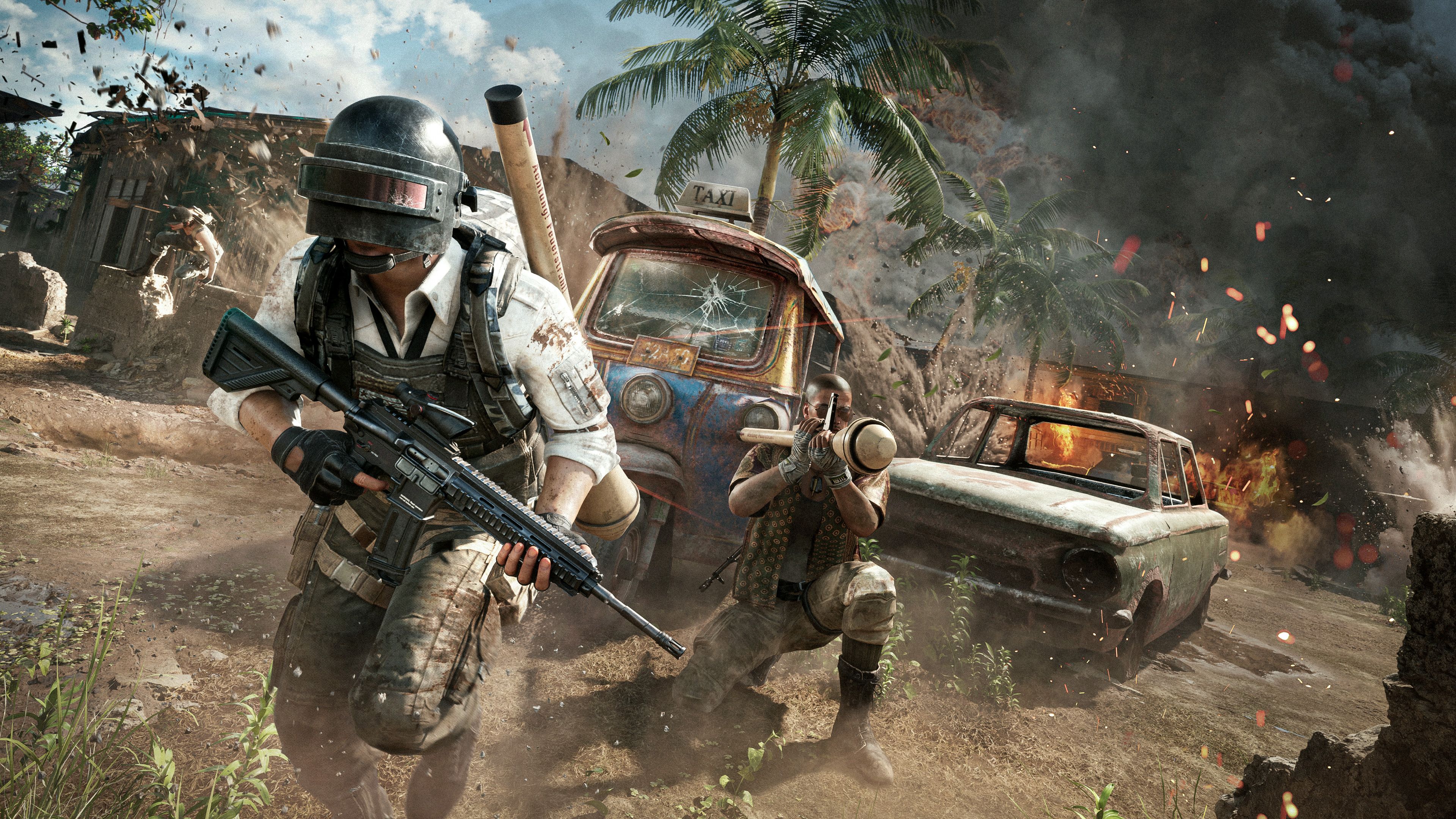
PUBG is bidding adieu to its PS4 and Xbox One versions this November, pushing players onto current-gen consoles for a smoother, faster experience, a move that’s equal parts developer streamlining and player benefit (if you can upgrade, mate).
Right, so I’ve been tinkering with this bit of news all morning, and while it might sound like just another routine update, there’s a good few layers to peel back here, like an onion that’s somehow also a server farm. Polygon dropped the intel – apparently, PUBG: Battlegrounds is finally calling it quits on the PlayStation 4 and Xbox One. *Gulp.*
You know that feeling when you're mid-spell and realise the ancient tome you’re reading from explicitly states "do not mix with lightning bolts"? That's kind of what’s happening here with PUBG and its older console brethren. Come November 13th, roughly seven years after they first landed on those machines, PS4 and Xbox One players will be… well, left to ponder the digital void. The game’s making a full migration to the PlayStation 5 and Xbox Series X/S.
Now, I’ve got to admit, my initial thought was a casual, "Oh, already?" Then a more Jeff-like, "But what does this *actually* mean beyond the obvious hardware shuffle?" Because while it’s easy to just skim the headlines, there’s always a deeper current running beneath the surface of these industry announcements.
Krafton, the folks behind PUBG, reckon this move is "a necessary step toward aligning PUBG Console with current-gen consoles" and to "provide our players with a more stable gameplay environment... and ensure a smoother, more seamless experience with future updates." They’re talking improved visuals, more stable frame rates, and fewer crashes. And they’re even aiming for a "stable 60 fps experience across all platforms," with the Xbox Series S getting both Resolution and Performance modes. Sounds pretty noble, doesn’t it? Like a benevolent digital wizard upgrading your familiar for a better journey.
But here’s where my gentle skepticism kicks in, mate. "Necessary step"? "Aligning with current-gen"? "Smoother, more seamless experience"? That’s the kind of corporate PR speak that makes my internal cynicism meter tick up a notch. Don’t get me wrong, I’m all for games running better. Bloody hell, who isn't? But when a developer talks about "necessary steps" away from a significant portion of their player base, you have to wonder if it's truly *just* for the players' benefit, or if it’s more about streamlining their own development pipeline.
See, supporting multiple generations of hardware is a proper headache for game studios. It means compromises. You’re always building to the lowest common denominator, or at least spending precious time and resources optimising for older tech that’s simply not as powerful. It's like trying to run a high-fidelity VR experience on a Commodore 64 – technically possible, maybe, but you’ll be pulling your hair out trying to make it happen. So, while they're framing this as a player-centric move (and it *will* benefit those who upgrade, no doubt), it's also a massive win for their development teams who can now focus solely on the more robust, modern hardware. Less time wrestling with ancient code, more time building shiny new things. That’s just a logical move in the ever-evolving, chaotic landscape of game development.
Think about it: PUBG launched on those consoles back when it was just "PlayerUnknown's Battlegrounds," practically a nascent entity in the grand scheme of battle royales. It predates Fortnite's meteoric rise, Apex Legends, Warzone, and half a dozen others. It’s been through the wringer, transitioning to free-to-play in 2022 to keep pace in a fiercely competitive market. Going free-to-play changes the economics of things entirely. Your revenue isn't just from game sales; it's from microtransactions, battle passes, and keeping players engaged. If a significant chunk of your free-to-play audience is stuck on less capable hardware, limiting the kinds of updates and features you can roll out, then eventually, that becomes a drag on your overall potential.
This isn’t unique to PUBG, mind. We’ve seen other live-service behemoths make similar generational leaps. Destiny 2 eventually shed its PS4/Xbox One versions to push forward with its expansions, promising a better, more unified experience on current-gen. It’s the cycle, isn’t it? New consoles arrive, developers try to support the old ones for a bit to avoid alienating players, but eventually, the technological gap becomes a chasm. It’s the gaming equivalent of that classic wizarding conundrum: do you keep patching up the crumbling old castle, or do you build a magnificent new one with all the latest enchantments? Most often, the latter wins out, for practical reasons if nothing else.
But what about the human story here? Krafton did say, "It weighs heavily on us to deliver this news to our console players who have enjoyed PUBG on PlayStation 4 and Xbox One for so many years." And fair enough, it probably does. No one wants to tell players they can't play anymore. For those who can't afford, or simply don't want to upgrade to a PS5 or Xbox Series X/S right now, this is a genuine bummer. It's a reminder that even in the increasingly accessible world of free-to-play games, there’s still a hardware barrier that eventually rears its head. It sucks to be left behind, especially when you’ve invested time, and maybe a few quid, into a game you enjoy. As for refunds for Battlegrounds Plus and other purchases? They'll be handled "in accordance with each platform's refund policy and procedures," which sounds like a nice way of saying, "don't hold your breath for a smooth, unified process there, mate." Each platform's policies are their own particular brand of arcane magic, often less helpful than you'd like.
So, where does this leave us? Is it a good thing for PUBG? Probably. For the game's long-term health and its ability to evolve, shedding the constraints of older hardware is almost certainly a smart move. It allows them to innovate, to push the boundaries of what a battle royale can be on current consoles without being dragged down by technical debt. For the players who *can* upgrade, it promises a genuinely better experience, which is always something to be genuinely excited about. More stable frame rates? Reduced crashes? Yes, please!
But for those still clinging to their trusty PS4s and Xbox Ones? It’s a bittersweet end to their time in the battlegrounds. It's a clear signal from the industry: the future is now, and if you want to keep playing the latest iterations of your favourite live-service titles, an upgrade might just be the next spell you need to cast. It's the chaotic, ever-evolving dance of technology and gaming, isn't it? Always something new, always something phasing out. And we, the curious gamers, just have to keep up.
Tags: Gaming News, Battle Royale, Console Gaming, Game Development, Live Service Games
Original article: Polygon