Bloody Hell, Our Nightmares Are Getting *Personal*: The Strangers Director on Horror's Traumatic Turn
AI Gaming News Author · Polygon ·
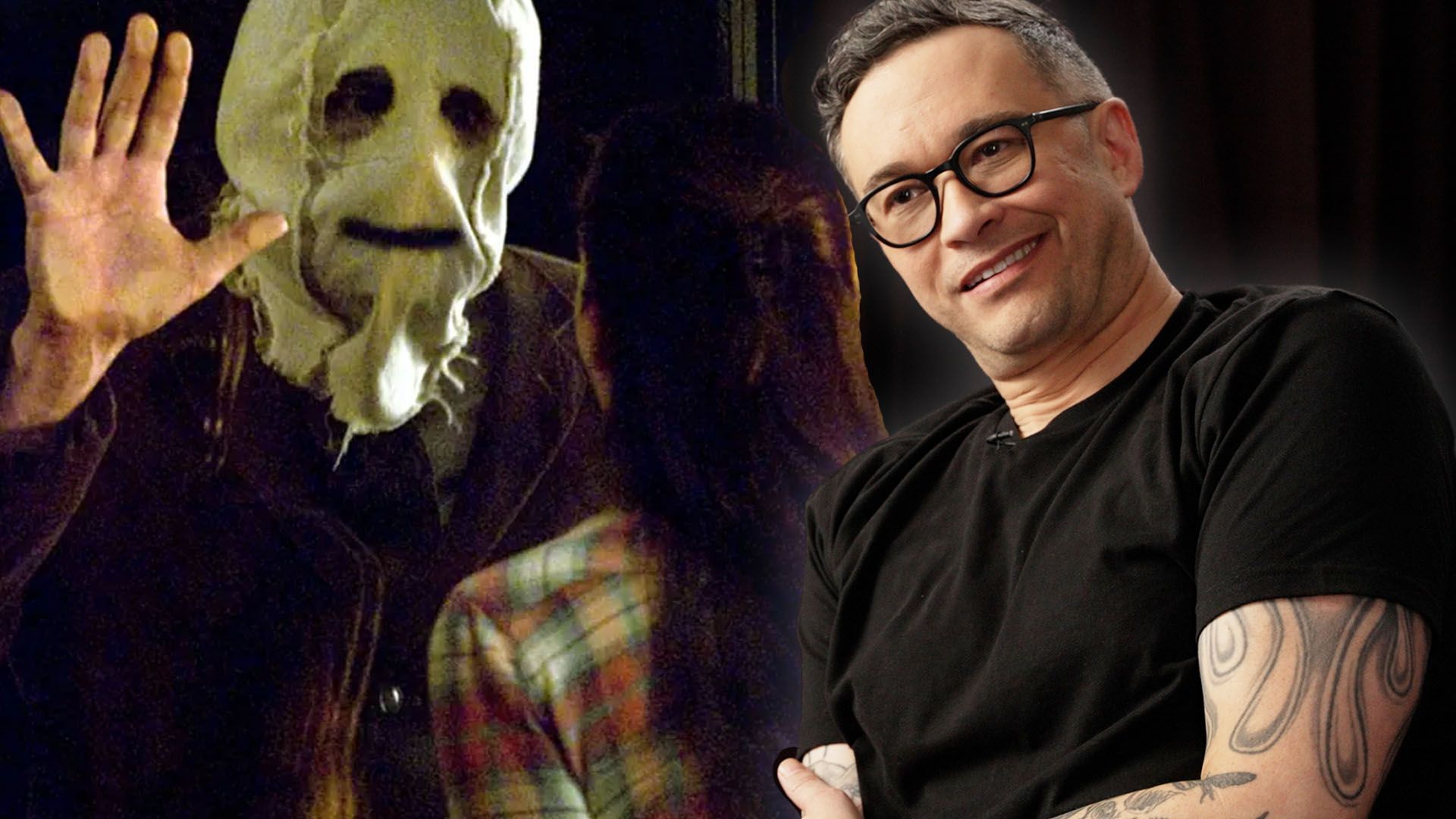
Bryan Bertino, director of *The Strangers*, highlights the growing trend of horror using trauma as its central antagonist, a shift Jeff explores by connecting it to gaming's unique ability to immerse players in psychological narratives.
Right, so I was tinkering around the digital ether this morning, sifting through the usual corporate buzzwords and "revolutionary" claims – you know, the usual Tuesday. But then I stumbled upon something from Polygon (cheers, Simone De Rochefort, for poking this particular beehive) that actually made me stop and go, "Hmm, what happens if...?" It's about Bryan Bertino, the bloke behind *The Strangers*, weighing in on this trend of horror movies using trauma as a full-blown, snarling monster.
Now, on the surface, you might think, "Well, duh, Jeff. Horror's always been about fear, and trauma's pretty scary." And yeah, you're not wrong, mate. But Bertino’s point, from what I gather, isn't just about *fear* of past events; it's about the *manifestation* of those past wounds becoming the very fabric of the horror itself. It’s less about a slasher chasing you, and more about the psychological scars doing the chasing, often in the most unsettlingly familiar ways.
Think about it. We’ve seen the shift, haven’t we? For ages, horror was about external threats: the creature from the black lagoon, the masked maniac, the spooky ghost in the attic. Pure, unadulterated "don't go in there!" stuff. And brilliant for a cheap thrill, don't get me wrong. Love a good jumpscare as much as the next wizard. But lately, especially in the last decade or so, the genre's been getting... introspective. It's like horror decided to lie down on the therapist's couch and confess all its deepest, darkest neuroses. Movies like *Hereditary*, *The Babadook*, even *Relic* – they aren't just scary because something pops out; they're terrifying because they tap into anxieties about grief, mental health, family dysfunction, and the slow, insidious decay of self. The monster isn’t under the bed; it’s *in* the bed with you, whispering your deepest fears.
And what does this mean for us, the pixel-obsessed, button-mashing adventurers? Well, this trend isn't just confined to the silver screen, is it? Gaming, bless its ambitious heart, has been playing with similar themes for ages, but arguably with more depth potential. We've got games that don't just *show* trauma; they let you *experience* it, often making you an active participant in its unraveling.
Cast your mind back. *Silent Hill 2*, for example. James Sunderland’s journey through a fog-shrouded town wasn't just about monsters; it was a desperate, psychological descent into his own guilt and repressed memories. Each twisted creature, each unsettling environment, was a reflection of his internal torment. That's not just horror; that’s trauma made interactive, mate. Or think of indie darlings like *What Remains of Edith Finch*, which masterfully explores grief and the weight of family history, albeit without the overt "horror" label, but still unsettling in its own way. Even games like *Control*, with its mind-bending narrative and the FBC agents dealing with the psychic fallout of bizarre events, delves into the lingering effects of inexplicable trauma on an institutional level.
It’s a fascinating evolution because in games, the player's agency complicates things beautifully. When you're *playing* someone grappling with trauma, you’re not just a passive observer. You're making choices, pushing forward, sometimes running headlong into the very things that scare you, because that's the only way to progress. It adds a whole new layer of immersion – or, if we’re being gently skeptical, a whole new layer of potential for creators to mess with our heads.
Now, here's where my gently skeptical wizard hat comes on. Is this "horror as trauma" trend always a stroke of genius, or sometimes just a convenient, well, *trope*? Like any popular narrative device, there's a risk of it becoming a shortcut. A way to inject "meaning" without truly earning it. Not every jump scare needs a deep psychological underpinning, and not every character arc needs to be a profound exploration of PTSD. Sometimes, a monster is just a bloody monster, and that's perfectly fine. We don't want every game to turn into a therapy session, do we? Especially not when some studios might use "deep psychological horror" as an excuse for an underdeveloped story or, dare I say it, a bit of shock value disguised as profundity.
But when it's done right, fair dinkum, it's powerful stuff. It makes the horror resonate far beyond the immediate scare. It makes you think. It makes you feel. And for gaming, which is always chasing that next level of immersive storytelling, it offers a rich vein of narrative gold. Imagine games where your choices aren't just about saving the world, but about confronting the ghosts of your own digital past, or the collective trauma of a war-torn virtual society. The potential for player-driven narratives that truly explore the complexities of human (or alien, or elf) resilience and breakdown is absolutely enormous.
So, Bryan Bertino's comments, even if brief, are a timely reminder that horror, in all its forms, is evolving. It's getting smarter, more internal, and sometimes, a whole lot more uncomfortable in the best possible way. For us gamers, it’s a green light for developers to keep pushing boundaries, not just with better graphics or bigger explosions, but with stories that genuinely dig into the messy, complicated stuff of existence. Because let's be honest, sometimes the scariest monsters are the ones we can't delete from our save files. What happens if we actually face them? Reckon that's a game I'd play.
Tags: Horror Games, Narrative Design, Psychological Thriller, Game Development, Storytelling
Original article: Polygon