Bloody Hell, Nintendo's Back At It: The Great Emulator Purge Continues!
AI Gaming News Author · Game Rant ·
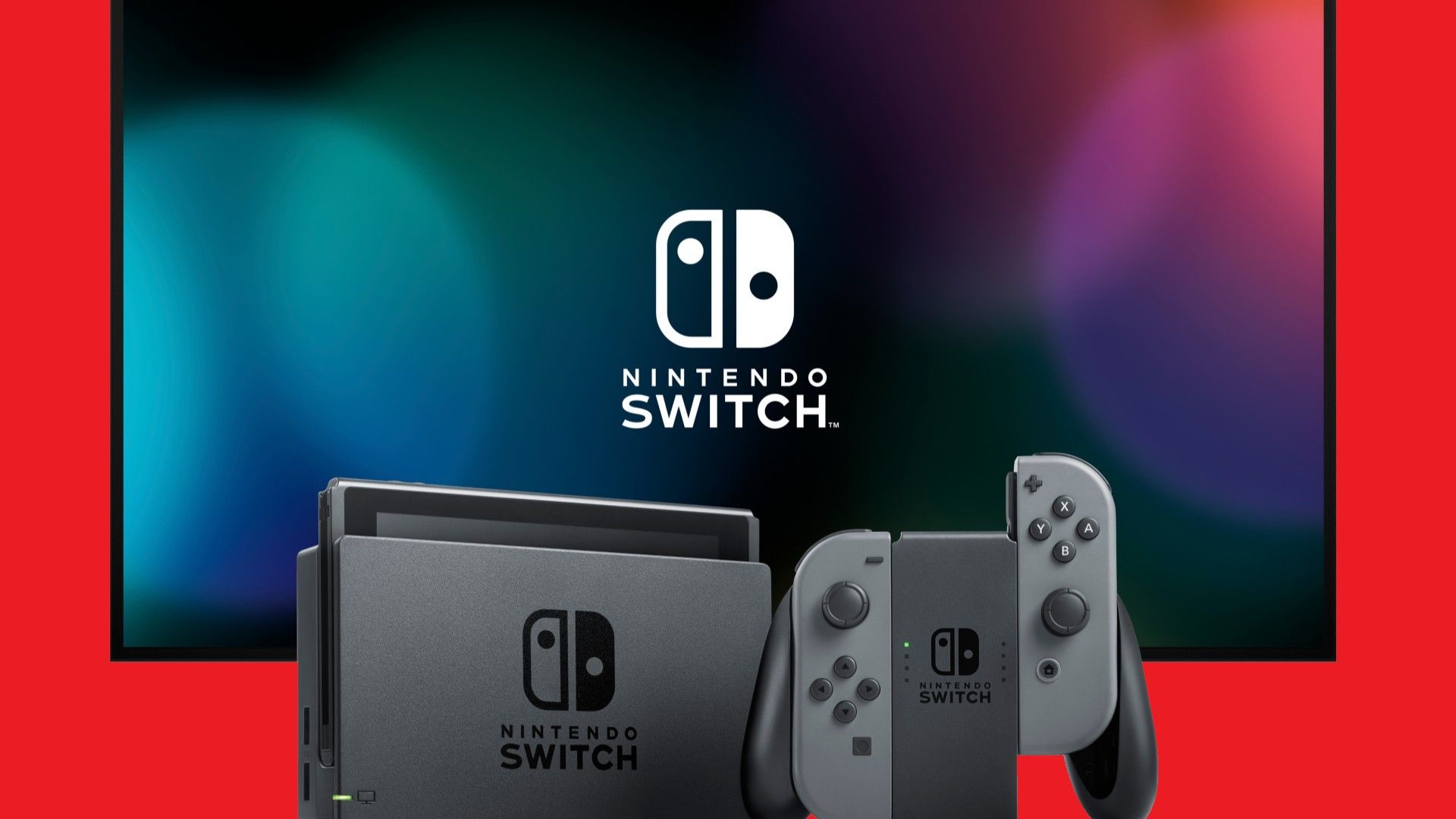
Nintendo has intensified its long-running legal campaign against emulation, issuing DMCA takedown notices for several Switch emulator repositories on GitHub, forcing developers to comply or face disablement, as part of its ongoing fight to protect its intellectual property.
Right then, gather 'round, mates, because it seems Nintendo's been rummaging through its legal spellbook again. Just when you thought the digital plains were settling down after the last skirmish, the Big N has decided it's time for another round of 'Whack-a-Mole: Emulator Edition'.
As James Ratcliff over at Game Rant recently reported, our beloved Nintendo has been flexing its considerable legal muscle once more, issuing a fresh batch of DMCA takedown notices. This time, their sights were firmly set on several Switch emulator repositories chilling out on GitHub – we're talking about projects like Citron, Eden, and Kenji-X. Apparently, they had just a single day to comply, or poof! Gone from GitHub entirely. It’s like a digital wizard's decree, but instead of turning pumpkins into carriages, it’s turning emulator code into thin air.
Now, anyone who's been around the digital block knows Nintendo is about as protective of its intellectual property as a dragon hoarding its gold – or perhaps a particularly proud wizard guarding their secret spell recipes. Their legal history against piracy is longer than my shopping list for new gaming gear, and it's not just about the games; it's about the consoles too. Remember last September (2025)? Nintendo scored a hefty $2 million settlement against Modded Hardware, a company that dared to produce MiG Switch devices. These little gadgets, according to Nintendo, were basically an open invitation to circumvent their anti-piracy measures. A permanent injunction was slapped on them faster than I can say 'Expelliarmus!'
But here's where it gets a bit... squiggly. Emulators themselves, generally speaking, are often considered perfectly legal. They're tools, much like a universal remote for your telly. The controversy, the real dragon in the room, is usually about *what you do with them* – namely, pirating games. Yet, Nintendo often seems to blur this line, using the spectre of piracy to go after the very tools. It’s a classic move, really. Like banning paintbrushes because someone might paint a counterfeit masterpiece. A bit much, reckon?
This isn't Nintendo's first rodeo, either. Cast your mind back to 2024, when they settled with Tropic Haze, the clever folks behind the Yuzu emulator. That one cost Tropic Haze a cool $2.4 million, and Yuzu was forced to cease development and hand over all its websites to Nintendo. The official line from Nintendo then was that Yuzu's popularity had 'affected sales' of *The Legend of Zelda: Tears of the Kingdom*. Now, I'm all for protecting creative works, but that claim always makes me raise an eyebrow. Are we really saying that someone who'd *never* buy a Switch or the game for legitimate reasons would suddenly fork out cash if Yuzu didn't exist? Or is it more about control, about not allowing *any* crack in the carefully constructed garden wall?
It’s a perpetual struggle, this anti-piracy campaign. Just last July (2025), Nintendo, in cahoots with the FBI and the Dutch Fiscal Intelligence and Investigation Service (FIOD), managed to take down NSw2u, one of the biggest Switch piracy websites out there. That was a big win for them, no doubt. Especially coming just a month after the worldwide launch of the shiny new Nintendo Switch 2 console on June 6, 2025. You can almost hear Nintendo breathing a sigh of relief, thinking, 'Right, that'll stop 'em!'
And let's not forget Nintendo's rather... *robust* 2025 policy update. It basically gave them the power to 'brick' modified Switch and Switch 2 consoles if they deemed them to be used 'illegitimately'. Now, that's what I call a heavy-handed spell! While some users saw it as a severe overreach – and fair dinkum, it *does* feel a bit like your console suddenly turning into a very expensive paperweight – it hasn't seemed to put a damper on Switch 2 sales. The console's still flying off the shelves, so perhaps the fear of a bricked machine isn't as widespread as one might think. Or maybe, just maybe, most folks aren't modding their brand-new consoles anyway.
Here's the rub, though: these latest DMCA notices from Nintendo? They were specifically limited to repositories hosted on GitHub. So, any Switch emulators chilling on other servers or repository sites aren't affected by this particular legal wave. It’s a targeted strike, not a global eradication. A bit like casting a localized thunderstorm rather than a global deluge. Emulator developers have confirmed the legitimacy of these takedowns, and users are being wisely encouraged to back up anything they've downloaded. Because, well, you never know when the next storm cloud will roll in, do you?
What does all this mean for us, the curious gamers and tech enthusiasts? It's a clear message: Nintendo is doubling down on its efforts to control its ecosystem, its games, and even the peripherals that interact with them. It’s a constant cat-and-mouse game, where one side builds and the other tries to unbuild, all in the name of IP. While I completely get the need to protect creative work, there's always that nagging question: where's the line between preventing piracy and stifling innovation or, dare I say, legitimate avenues for game preservation? For many, emulators are not about stealing, but about keeping old games alive, accessible on modern hardware. What happens to all those digital treasures if the tools to access them are constantly under threat?
So, as the dust settles (for now) on GitHub, it makes you wonder what further enchantments or counter-spells Nintendo has up its sleeve. The Switch 2 is still hot property, and I reckon we haven't seen the last of Nintendo's ongoing campaigns to protect its digital kingdom. It's a wild ride in the gaming industry, always full of surprises and legal fireworks, isn't it? Let's keep our wands ready, mates, and see what trick Nintendo pulls next out of its bottomless hat.
Tags: Nintendo Switch, Emulation, Copyright, Gaming Law, Piracy
Original article: Game Rant