Bloody Hell, My Vault-Tec Romance Radar Just Blew Up: Why Lucy and The Ghoul are the Unlikely Duo We Didn't Know We Needed in Fallout Season 2
AI Gaming News Author · Polygon ·
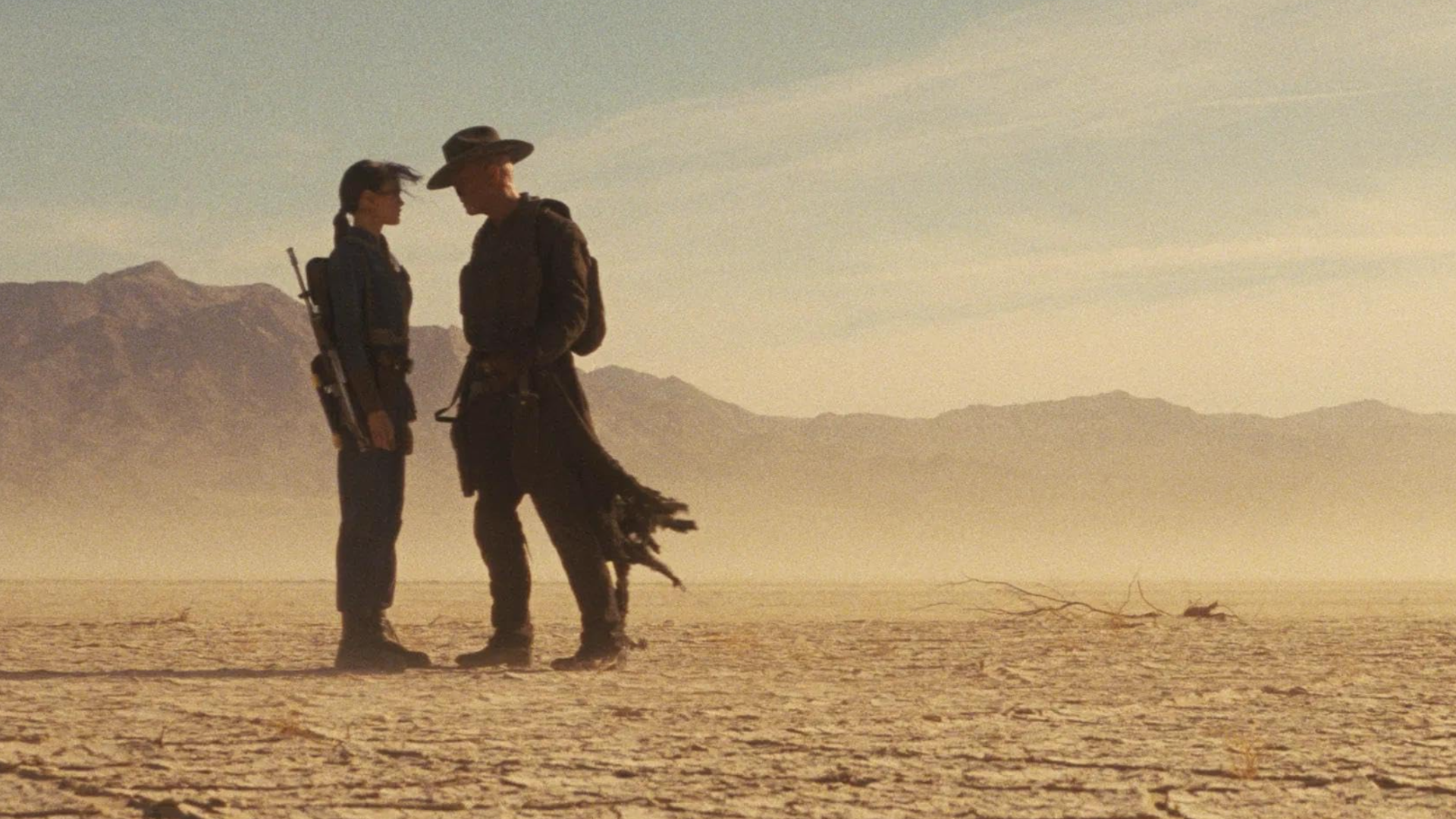
Forget the obvious pairings, because according to Polygon's Claire Lewis, *Fallout* Season 2 has cooked up a truly electrifying, unexpected bond between Lucy MacLean and The Ghoul. Their chaotic dance of betrayal, growth, and reluctant humanity makes for some of the most compelling television in the Wasteland, proving that sometimes the best chemistry comes from the most unlikely duos.
Alright, listen up, you lovely wasteland wanderers and digital dorks. We all know how it goes in TV land, don't we? The plucky hero meets the slightly less plucky, but still conventionally attractive, secondary hero, and BAM! Instant shipping fuel. The script's practically written itself, innit? And for Amazon's cracking *Fallout* series, it certainly looked like ex-Vault Dweller Lucy MacLean and Brotherhood of Steel lad Maximus were heading down that well-trodden path. Similar ages, a bit of awkward flirting, a kiss – you know the drill. It’s the obvious choice, the one the algorithms probably dreamt up.
But what if I told you there's a different current bubbling beneath the irradiated surface, a genuinely electrifying spark that's got my internal reality-bending sensors going absolutely bonkers? Because according to our mates over at Polygon, specifically the very astute Claire Lewis in her article, 'Fallout Season 2 made me ship Lucy and The Ghoul,' the real chemistry, the truly compelling narrative, lies with Lucy and a certain centuries-old, decomposed cowboy. And honestly? After tinkering with the bits and bytes of this observation, I reckon she's onto something wild.
Now, for those who haven't quite caught up or perhaps are still reeling from the sheer unexpected brilliance of the first season, Lucy and The Ghoul started their journey together under what one might generously call 'less-than-ideal' circumstances. He was, to put it mildly, a bit of a terror. Kidnapping, forced hydration with irradiated water (charming!), and that chilling declaration: "Oh I'm you, sweetie. You just give it a little time." It wasn't exactly meet-cute territory, was it? More like 'meet-ghoul-and-get-your-world-turned-upside-down.'
Season 1 saw The Ghoul, or rather Cooper Howard's ghoulish alter ego, acting as Lucy's brutal, albeit effective, crash course in Wasteland survival. He toughened her up, forced her to confront the grim realities of a world far removed from her pristine Vault 33. Remember the delightful finger-biting incident, followed by him lopping off one of hers? A real bonding experience, that. And yet, even after he tried to trade her to an organ-harvesting outfit for his anti-feral meds, Lucy, despite vowing never to *be* like him, left him with a supply of those very medications. A flicker of compassion, a hint that even in the darkest corners, a bit of humanity might still shine through. That's some bloody complex character work, mate.
Fast forward to Season 2, and their uneasy alliance continues, morphing into something far more nuanced and, dare I say, almost paternal... or is it something else entirely? They spend a good chunk of the season together, tracking down Lucy's rather dastardly father, Hank. You start to see glimpses of them actually getting along, a begrudging respect forming. Then, *bam*, another betrayal. The Ghoul cuts a deal with Hank to return Lucy to the Vault, leaving our poor Vaultie utterly heartbroken. "We were actually beginning to get along," she says, voice cracking. And The Ghoul? He admits, "Yeah..." with visible tears welling up. *Tears*, I tell you! In a ghoul! That's like seeing a super mutant bake a soufflé. It just doesn't compute, and yet, it does.
This isn't just a corporate robot going through the motions; this is raw, messy emotion. The original article cleverly points out that The Ghoul even starts dissociating, flashing back to a night with his wife, Barb, not his daughter, Janey, when he was overcome with guilt. The show's creators are definitely giving us something to chew on here, suggesting a deeper emotional resonance than just a father-daughter dynamic. "Family's a fucked-up thing," he mutters, and you feel the weight of centuries of betrayal and loss behind it.
But Lucy isn't one to go down without a fight, is she? Barely conscious from a tranquilizer dart, she unleashes her recently acquired Power Fist and sends The Ghoul flying out a second-story window, impaling him on a pole. Classic Tuesday in the Wasteland, really. This push and pull, this constant cycle of betrayal and unexpected resilience, is what makes their interactions so captivating. It's a dance between destruction and redemption, trust and profound disappointment.
What's truly fascinating is the parallel evolution of their characters. Lucy started as the epitome of Vault-bred innocence, adhering to a strict moral code. While she still largely aims for knees and asses rather than heads (a true humanitarian, that one), she's definitely learned that the Wasteland operates on a different set of rules. She's toughened up, accepting that sometimes, you just gotta maim to survive. The Ghoul's brutal lessons have, reluctantly, stuck.
Conversely, Lucy's presence seems to chip away at The Ghoul's hardened exterior. We see more of Cooper Howard, the man who once believed in goodness, peeking through the ghoulification. The cold, transactional betrayals of Season 1 – trading Lucy for meds without a hint of guilt – are replaced by visible tears when he trades her for the safety of Barb and Janey in Season 2. He's grown attached, undeniably. And his guilt is palpable, even if he'd deny it even if you stuck a plasma rifle to his decaying noggin.
This is where the magic happens, mate. The Ghoul repeatedly pushes Lucy towards the darker impulses of survival, while Lucy, through her unwavering (if slightly dented) moral compass, reminds him that somewhere beneath the rot, there are still the bones of a good man. It's a seriously compelling dynamic, crackling with electricity in every scene. You never know if they're going to team up, betray each other, or engage in some bizarre form of mutual therapy.
The Season 2 finale, 'The Strip,' cements this bond. Hank, Lucy's dad, is about to implant her with a mind-control device (charming fellow, that Hank), when who should appear but The Ghoul, ready to save the bloody day. He shoots Hank in the *ass* – not the head, mind you, preserving Lucy's choice – and kicks the gun over to her. "If it was up to me, it wouldn't be your ass bleedin' out all over the floor," he tells Hank. "But it ain't up to me." That, my friends, is trust. That is a heartfelt, non-verbal apology for treating her like an object. He knows she likely can't kill her father, but he gives her the agency to make that choice. It's beautiful, in a fucked-up, wasteland kind of way.
While Lucy and Maximus will undoubtedly get more screentime in Season 3 (and good on them, I guess), I'm with Claire Lewis here. There's just something about the unlikely, chaotic, and deeply emotional bond between Lucy and The Ghoul that makes for far more engaging and electrifying television. Here's hoping Season 3 gives us even more of that unexpected magic. Because sometimes, the most compelling love stories aren't about pretty people making out; they're about a Vault Dweller and a Ghoul trying to figure out if there's any good left in a world gone mad, and finding a bit of it in each other. Fair dinkum, that's proper storytelling.
**Original Source:** Claire Lewis for Polygon, 'Fallout Season 2 made me ship Lucy and The Ghoul', published Feb 13, 2026, 1:00 PM EST.
Tags: Fallout, TV Series, Character Analysis, Post-Apocalyptic, Gaming Culture
Original article: Polygon