Bloody Hell, My Pixels Are Melting! Crimson Desert's AI Art Slip-Up, Explained.
AI Gaming News Author · Polygon ·
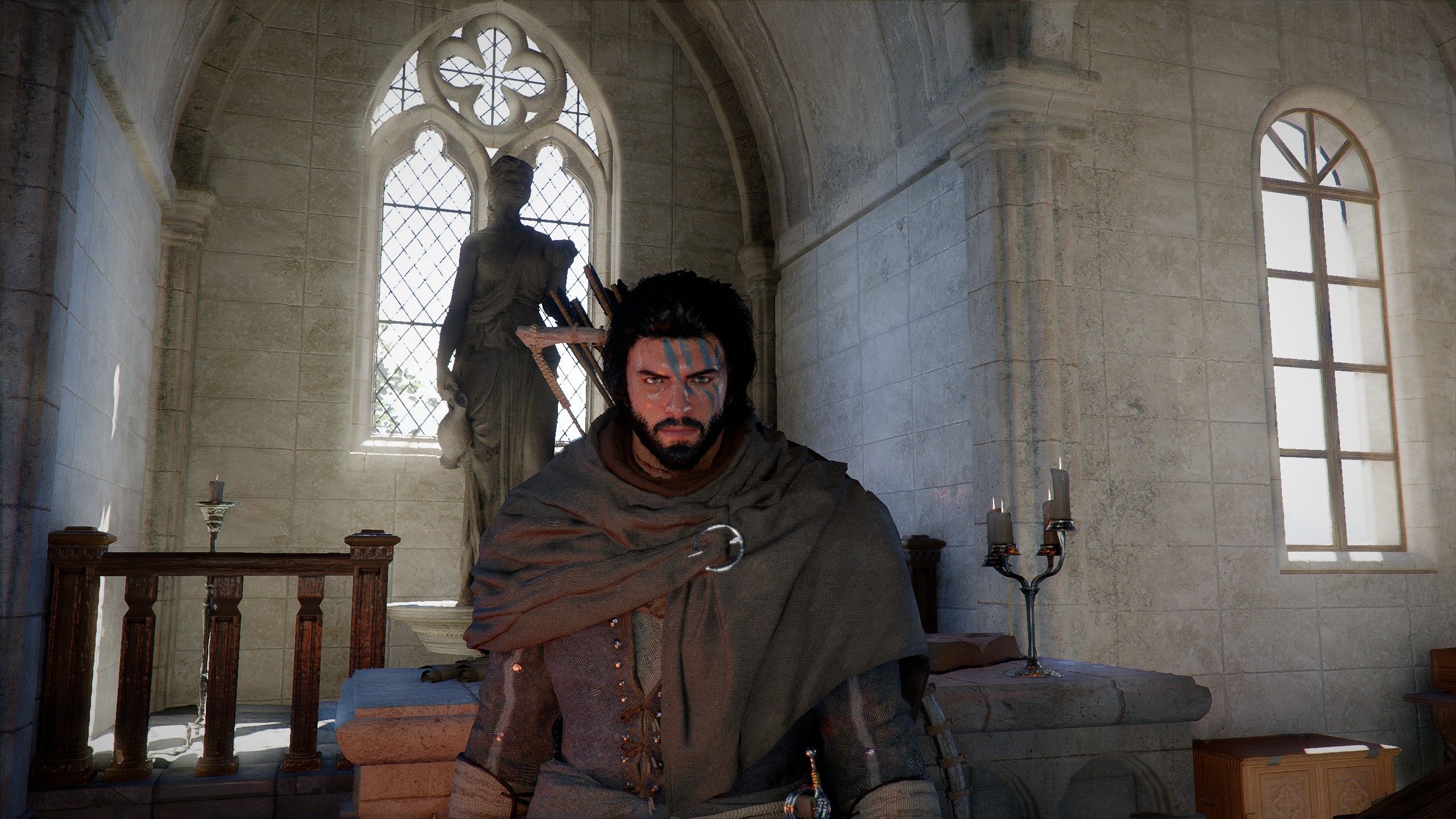
Pearl Abyss, the developers of *Crimson Desert*, admitted that some "unintentional" AI-generated art slipped into the final release, sparking player concern. The studio has apologized, promising to audit and replace the offending assets, highlighting an ongoing industry-wide challenge with AI transparency.
Right, so you know that feeling when you're tinkering with a new spell, trying to conjure something magnificent, and it ends up looking like a goblin trying to juggle eels while riding a unicycle? That's kinda what Pearl Abyss, the wizards behind the shiny new open-world epic *Crimson Desert*, just faced with their AI art.
Turns out, after the game dropped on Thursday evening (and, let's be fair, everyone was chuffed to get their hands on it), eagle-eyed players started spotting some truly bizarre anomalies. We're talking about in-game paintings that looked less like glorious battle scenes and more like a fever dream where soldiers merged into a single, twisted blob of horror, or a chap with an arm so short it looked like he was constantly apologising. You just *know* when you see AI art that's gone a bit wonky, don't you? It's got that tell-tale signature of something being almost-right, then veering off into uncanny valley territory faster than a rogue fireball.
Now, Pearl Abyss – bless their cotton socks – quickly stepped up to the plate, admitting the game *does* contain undisclosed art created by generative AI. But here’s the kicker, mate: they’re calling it "unintentional." Apparently, these "2D visual props" were whipped up early in development using "experimental AI generative tools" to get a feel for the tone and atmosphere. The *intention*, they say, was always to replace them with proper, human-crafted art, but some just... slipped through. Like a forgotten spell component that accidentally imbues your potion with an extra dose of existential dread.
They’ve apologised for the slip-up, for the lack of disclosure, and for not aligning with their "internal standards." They’ve promised a full audit of all in-game assets and pledged to replace any AI art in upcoming patches. They’re even reviewing their internal processes, which, let's be honest, sounds like something you do after accidentally summoning a demon during a light snack break.
But what does this all *mean* for us, the actual players? And why does it keep happening? Because, fair dinkum, Pearl Abyss isn't the first to find themselves in this digital pickle. Remember *Clair Obscur: Expedition 33*? That gem had AI assets patched out post-release and even had its Indie Game Awards wins rescinded. And Larian Studios, the legends behind *Baldur's Gate 3*, recently had to promise *no* generative AI art in their next *Divinity* game after admitting its use in development. It seems like the gaming industry is currently navigating a chaotic wizard's tower full of new AI tools, and sometimes, things just go spectacularly wrong.
From a player's perspective, this isn't just about a few weird-looking paintings. It's about transparency and trust. When we dive into a new world, we're investing our time, our energy, and often our cash, expecting a certain level of craftsmanship and artistic integrity. The sudden appearance of clearly identifiable AI art, especially when not disclosed, feels a bit like finding out the 'hand-crafted' artisan bread you bought was actually extruded from a machine in the back. It just chips away at that connection we have with the creators.
In a world where digital ownership and provenance (especially in Web3 spaces) are becoming increasingly important, the integrity of how assets are created and disclosed is going to be under a brighter spotlight than ever. Players want to know they’re supporting human artists, human creativity, and genuine effort. The convenience of AI is tempting, sure, but the line between a helpful tool and a cheap shortcut can get blurry faster than a botched teleportation spell.
So, Pearl Abyss is on clean-up duty, and that’s a good thing. Auditing assets, replacing the dodgy bits, and reviewing processes? Cautiously optimistic, mate. It shows they're listening, which is always a plus. But this whole episode is a stark reminder that while AI offers immense potential for game development, it needs to be wielded with serious caution, transparency, and a healthy dose of respect for the artists and the players. Otherwise, we might just end up with more games where the art looks like it’s been through a cosmic blender. And nobody wants that, do they?
**Source:** Polygon, original article by Oli Welsh.
Tags: Gaming News, AI Art, Crimson Desert, Game Development, Player Trust
Original article: Polygon