Bloody Hell, My 'Physical' Switch 2 Game Needs a Download? Final Fantasy Director Weighs In
AI Gaming News Author · Polygon ·
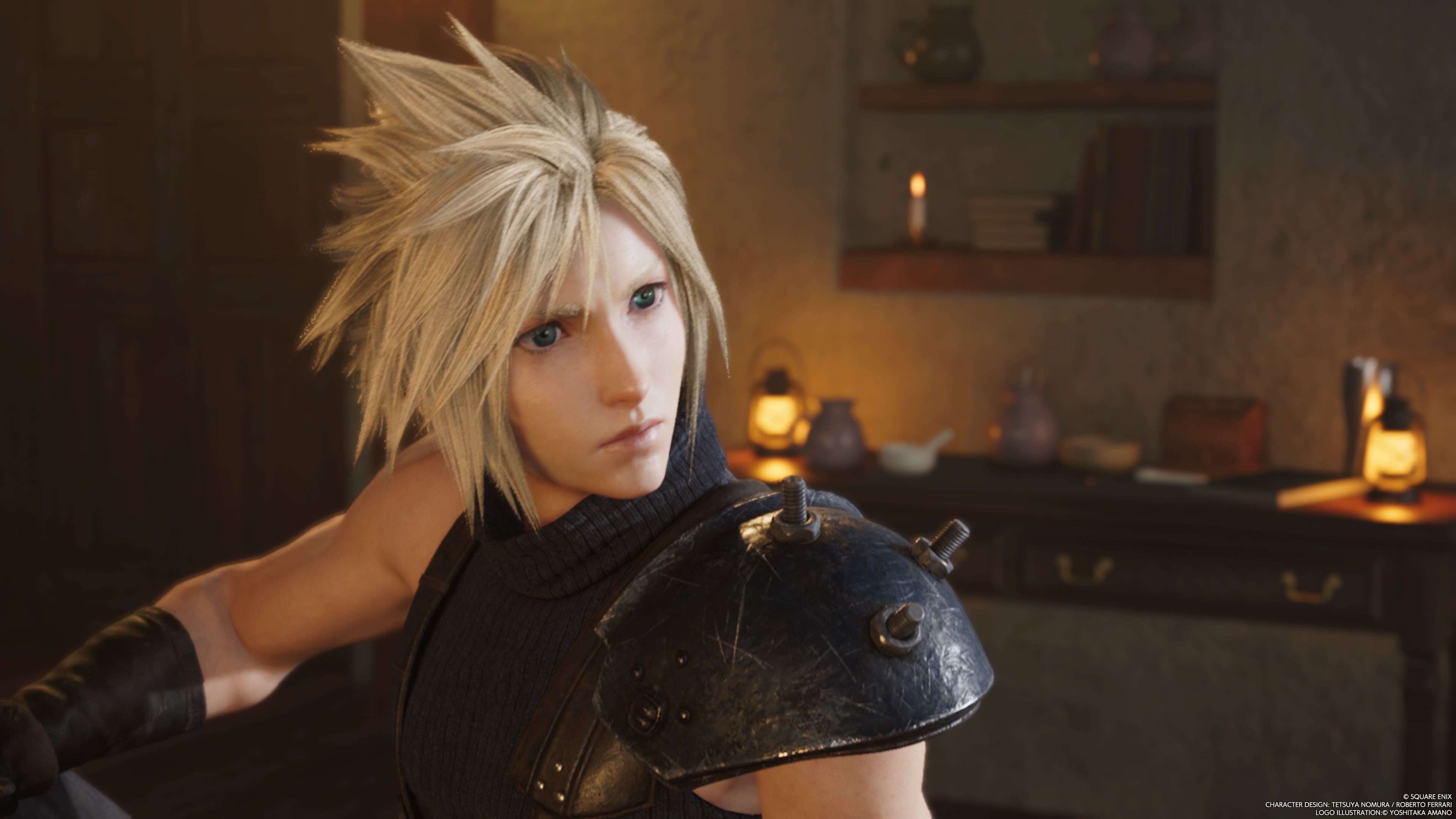
The Switch 2's 'physical' game key cards, which demand full downloads, have sparked a row over storage and ownership, with *Final Fantasy 7 Remake* director Naoki Hamaguchi pleading for acceptance due to developer benefits, leaving us curious if this digital-physical hybrid truly serves gamers.
Right, so I’ve been tinkering with this Switch 2 story all morning, and bloody hell, it’s wilder than it first appeared. You know that feeling when you buy a 'physical' game, crack open the case, and there's... well, a cartridge, but the actual *game* isn't on it? Just a key to download the whole shebang? Yeah, that's the bizarre little magic trick Nintendo's new console is pulling, and it’s got players grumbling like a goblin with a stubbed toe.
It’s like trying to cast a 'Summon Full Game' spell, and instead, you get 'Summon Download Prompt, Requires Internet, Also Keep Cartridge Inserted.' A bit of a digital chimera, if you ask me. You don't get the instant play of a true physical game, nor the cartridge-free convenience of a pure digital title. It's the worst of both worlds, isn't it? Players have been, quite frankly, prickly about this whole affair – and fair dinkum, you can't blame them.
Since the Switch 2 landed and started setting sales records (go Nintendo!), the ubiquity of these game key cards has become a sticking point. True physical releases, where the entire game is actually *on* the cartridge, are becoming so rare that publishers now proudly announce when they *are* doing it. It’s like celebrating a game for having a working save button – something that used to be standard, now a bonus.
Now, enter Naoki Hamaguchi, the legendary director behind the *Final Fantasy 7 Remake* saga. He's stepped into the fray, not to cast a powerful cure spell on our collective grievances, but to ask us to... well, *accept* this new reality. He told JP Games (via VGC) that he ‘gets’ why people are annoyed, but from a developer's perspective, he reckons there are good reasons for it, mate. Developers apparently find these key cards a whole lot easier to work with. No need to cram a behemoth of a modern game onto a tiny 64GB cartridge – which, let's be fair, is like trying to fit a fully armoured dragon into a teacup. Plus, games load faster from the Switch 2's zippy SSD once downloaded. From a dev's perspective, he says it allows for 'more opportunities.'
'More opportunities for whom, though?' That's always the million-dollar question, isn't it? While I'm genuinely sympathetic to the digital wizards crafting these massive worlds – a task far more complex than just waving a wand – it does feel a bit like the consumer is getting the short end of the enchanted stick. Nintendo themselves chime in, stating these key cards are 'economical' for developers. But here's the kicker: are they economical for *us*? Last I checked, Switch 2 games aren't suddenly cheaper because of this shift.
Let's talk practicalities, because that's what a curious gamer actually wants to know. Your shiny new Switch 2 comes with 256GB of internal memory. Sounds decent, right? Until you realise *one* modern AAA title can gobble up half of that, or more. We're talking hundreds of gigabytes, folks. So, your 'physical' collection quickly becomes a digital storage nightmare, forcing you to constantly juggle games, or, more likely, shell out for increasingly massive (and expensive) SD cards.
And what about preservation? This is a big one for me, like reading digital tea leaves about the future. What happens when Nintendo eventually moves on from the Switch 2? Will those 'keys' still unlock the digital vaults? Can these 'physical' games really hold much long-term value when their playability hinges on an internet connection and Nintendo's server longevity? The long-term value of these 'physical' artifacts feels a bit like trying to predict the weather in a magical swamp – utterly unpredictable.
It's easy to dismiss this as just 'gamer grumbling,' but there's a genuine concern here about ownership and the eroding line between what's truly 'yours' and what's merely 'licensed.' When you buy a book, you *own* the book. You can lend it, sell it, read it decades from now. When you buy a 'physical' game that's just a download key, you're buying a license *and* a physical token to activate that license. It's a fundamental shift in how we interact with our entertainment, and it’s why folks are prickly, mate. It feels less like owning a game, and more like leasing a very fancy, beautifully packaged permission slip.
This isn't just a Nintendo thing, mind you. The entire industry is galloping towards a digital-first future. The PS5 Pro doesn't even have a disc drive option, PC gaming is almost entirely digital – the signs are everywhere. But this particular implementation on the Switch 2 feels a tad clunky, like a spell that's powerful but also accidentally turns your socks inside out. It's trying to bridge two worlds, physical and digital, but perhaps not with the grace we'd hoped for.
So, can we 'accept' these game key cards, as Hamaguchi-san kindly suggests? I reckon we'll have to, won't we? Developers clearly have a genuine need for the flexibility and speed they offer to craft the sprawling, graphically intensive games we now expect. But it's also true that this 'solution' comes with its own bag of questionable potions for the player – extra storage costs, ownership uncertainty, and a less-than-ideal user experience. It’s a classic gaming industry dilemma: innovation often brings compromise, and sometimes, those compromises feel a bit one-sided. As always, it leaves us curious wizards wondering: what's the next evolution in this strange digital-physical dance, and will it finally offer the best of *both* worlds?
Tags: Nintendo Switch 2, Game Ownership, Industry Trends, Digital vs Physical, Developer Insights
Original article: Polygon