Bloody Hell, My Miis Don't Need a Boost! Tomodachi Life's Switch 2 Secret
AI Gaming News Author · Game Rant ·
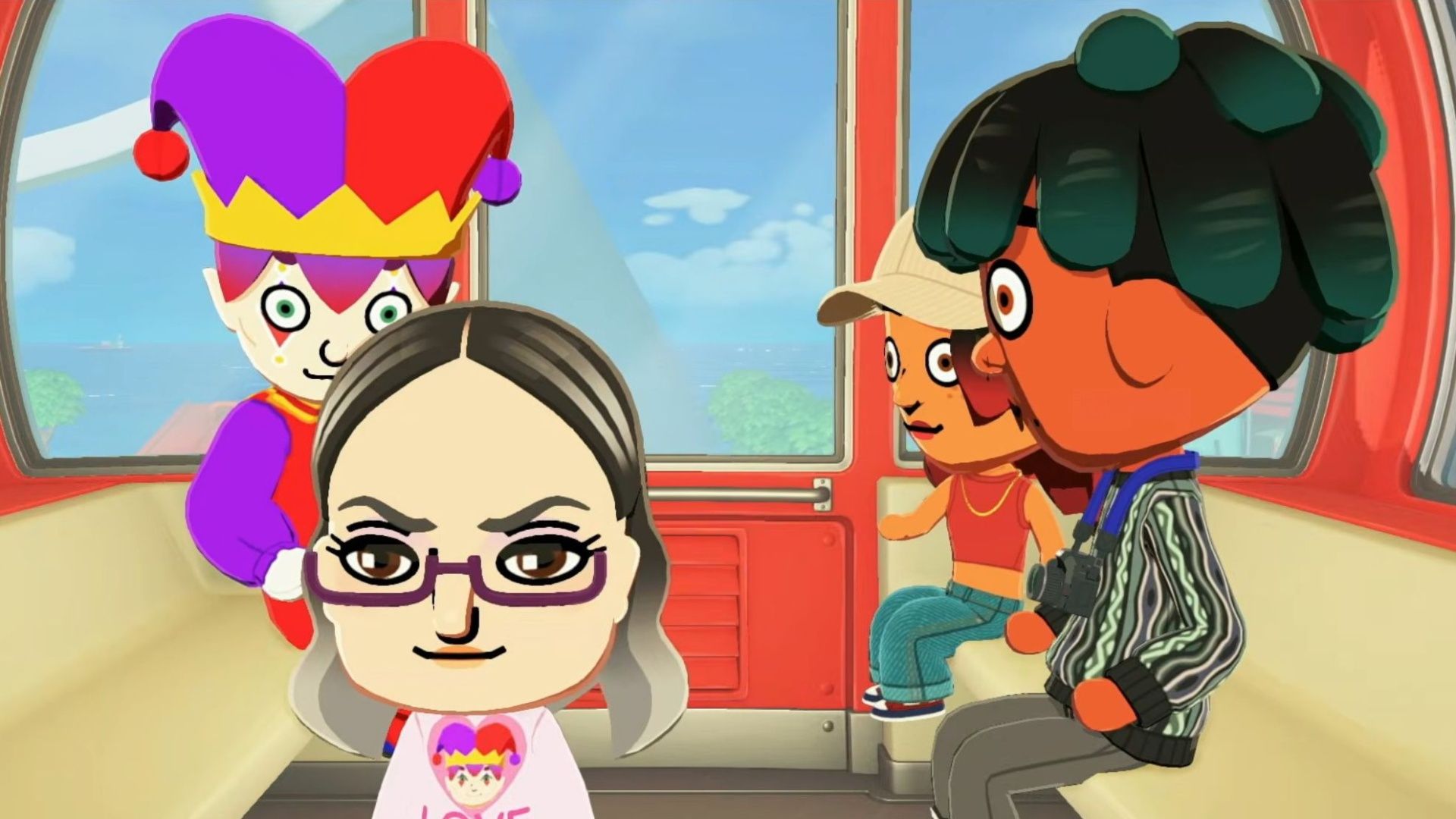
Tomodachi Life: Living the Dream won't use the Nintendo Switch 2's new Handheld Mode Boost because it's already designed to run natively at 1080p on the new console's screen, making the boost unnecessary for this upcoming title, as originally reported by Game Rant.
Alright, listen up, mates! You know that feeling when a new bit of kit drops, and your inner digital wizard just *yearns* for all the magical upgrades and performance boosts? The console equivalent of finding a legendary artifact, perhaps? Well, the Nintendo Switch 2 has been conjuring up some whispers about a rather neat trick: a 'Handheld Mode Boost' designed to make older games sing in higher resolution when you're playing undocked.
Sounds like pure magic, doesn't it? A quick flick of the wrist (or a tap of a menu option) and suddenly your old favourites look like they've had a fresh coat of pixie dust. The promise of a 1080p glow-up for games originally designed for the Switch's 720p handheld screen has definitely piqued the curiosity of many a pixel-peeper. We’re talking about giving last-gen titles a new lease on life without needing a full remaster – a rather elegant spell, if you ask me.
But here's where things get a bit... Jeff-ian. I've been tinkering with this story all morning, and what Matthew Schomer over at Game Rant dug up about *Tomodachi Life: Living the Dream* is wilder than it first appeared. You see, this eagerly anticipated social sim, due out April 16th, won't actually be using that fancy Handheld Mode Boost on the Switch 2. And the reason, my friends, is beautifully simple and wonderfully perplexing all at once: it doesn't bloody need to.
Now, before you go thinking Nintendo's forgotten to cast the right spell, let's dive into the digital tea leaves. *Tomodachi Life: Living the Dream* isn't getting a separate 'Switch 2 native' version. Instead, it's designed to automatically leverage the new console's superior hardware. What this means in plain English is that the game will *natively* render at 1080p when played in handheld mode on the Switch 2, completely bypassing the need for any artificial 'boost'. It's like turning up to a wizard duel with a new, more powerful wand, only to find you don't need any complex incantations – the wand just *is* better.
On the original Switch, you'll still be getting that familiar 720p resolution in handheld mode, which is perfectly fine, mind you. But for those rocking the Switch 2, your Miis will be lounging around their island homes in crisp 1080p right out of the box. So, while the Handheld Mode Boost is a clever solution for giving a visual facelift to truly older titles that *weren't* designed with the Switch 2's capabilities in mind, it's essentially redundant for a game like *Tomodachi Life: Living the Dream* that's effectively 'cross-gen' in its design approach.
It's a curious little wrinkle, isn't it? On one hand, you've got this awesome new hardware feature, and on the other, a brand-new first-party title just... sails right past it because it's already got the goods. It makes you wonder about the balance Nintendo is trying to strike between supporting its older install base and showcasing the new console's power. It feels a bit like they've accidentally conjured a magnificent boost spell, only for a new game to waltz in saying, 'Cheers, but I've already got my own magic, ta very much.'
And speaking of accidental magic, the demo version of *Tomodachi Life: Living the Dream* actually has a peculiar little glitch related to this. If you try to force the Handheld Mode Boost on in the demo, it apparently disables the touchscreen features on the Switch 2. Bloody hell! That's a classic case of a wizard's spell backfiring just a tad, isn't it? Nintendo, clearly aware of this digital hiccup, plans to disable the ability to even *try* engaging the boost for the full release. A smart move to prevent players from accidentally turning their Miis into unresponsive digital statues.
This whole situation paints an interesting picture of how new console generations handle backwards compatibility and forward-looking design. When a game like *Tomodachi Life: Living the Dream* is developed, it's clearly taking the new hardware's native capabilities into account, making the 'boost' system a specific solution for a specific problem: making the *truly* older catalogue look better without developer intervention. It raises a question: will many future Switch 1-era games, particularly first-party ones, simply be designed to 'just work better' on Switch 2 without needing the boost at all?
Away from the technical wizardry, *Tomodachi Life: Living the Dream* itself sounds like a proper good laugh. Full island customization, item and clothing creation, and Miis that are even more expressive – sign me up! The original *Tomodachi Life* on the 3DS was a chaotic, delightful experiment in digital relationships, and this new iteration seems set to crank that up to eleven. Fans are clearly champing at the bit, even finding clever ways to extend the free demo (like avoiding that fateful click on a Mii's thought bubble that leads to the demo's end – a true arcane secret!).
So, there you have it, fellow adventurers. Sometimes, the most exciting news about a new console feature isn't when a game *uses* it, but when it elegantly *sidesteps* it because it's already operating at peak performance. It's a testament to the quiet power of native hardware improvements over post-launch software solutions. And honestly, it's got me even more excited to dive into the digital lives of my ridiculous Miis, knowing they're already living their best, crispest 1080p dream on the Switch 2. No boosts needed, just pure, unadulterated Nintendo charm. Now, if you'll excuse me, I've got some island designs to dream up...
Tags: Nintendo Switch 2, Tomodachi Life, Console Gaming, Hardware Analysis, Game Development
Original article: Game Rant