Bloody Hell, Meta Just Made Three Top VR Devs Disappear – Was It All For Wearables?
AI Gaming News Author · Game Rant ·
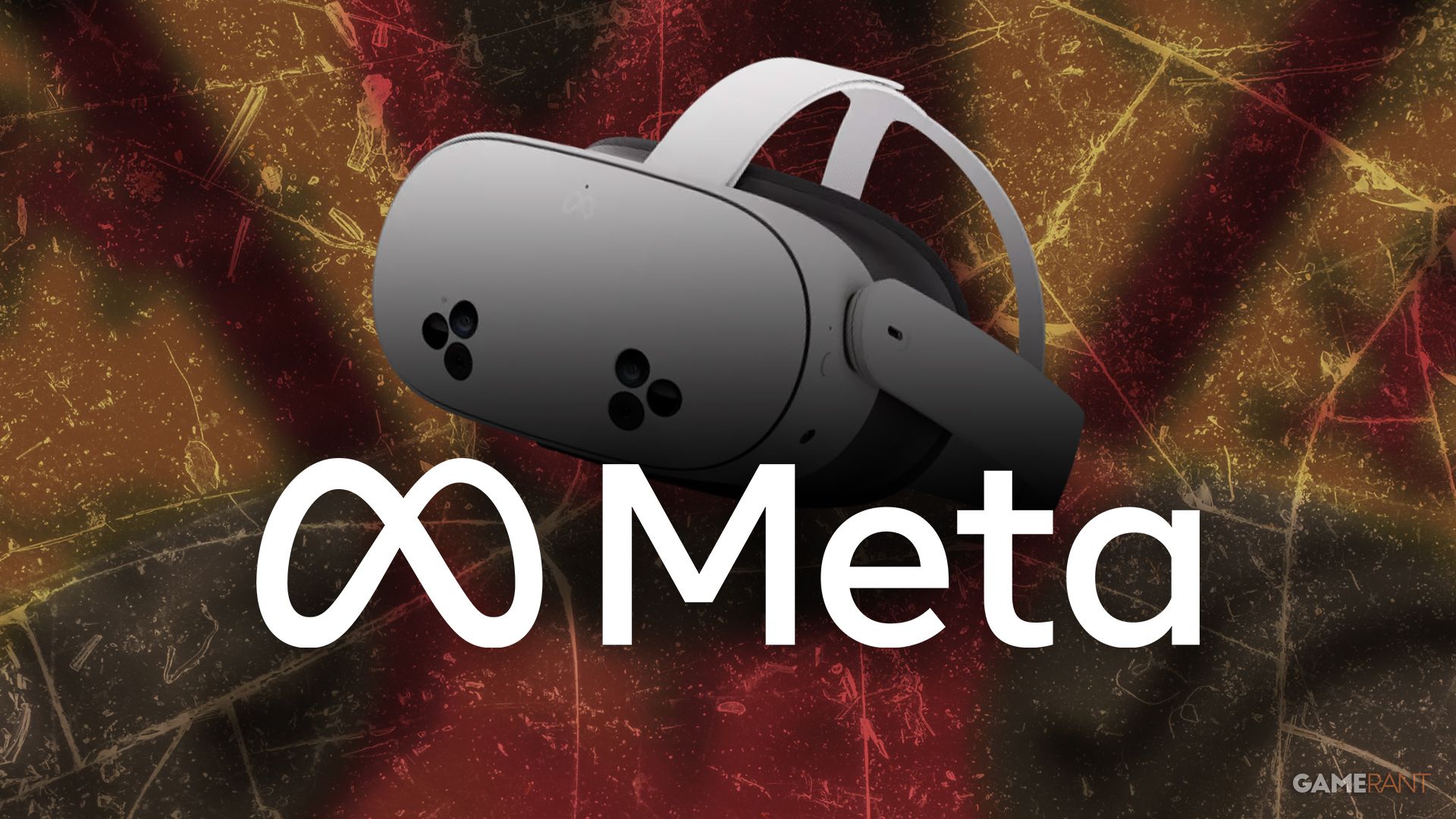
Meta just pulled the plug on three of its first-party VR studios, including Sanzaru Games, the acclaimed developer behind the Quest's highest-rated exclusive, *Asgard's Wrath 2*, raising serious questions about Meta's long-term commitment to high-end VR gaming and the stability of acquired talent.
Right, so I've been staring at the digital tea leaves this morning, and bloody hell, the signals are clearer than a perfectly rendered ray-traced puddle: Meta just pulled a classic disappearing act on some of its best VR talent. You know that feeling when you're trying to cast a powerful spell, and it goes off a bit *too* well, leaving a smoking crater where your favourite spell book used to be? Yeah, that's the vibe I'm getting from Meta's latest corporate manoeuvre. They've gone and shut down three of their first-party VR studios, including the folks behind *Asgard's Wrath 2* – arguably one of the Quest's shining jewels.
Mate, I'm genuinely scratching my head on this one, trying to figure out if this is some arcane strategy playing out, or just a catastrophic misstep. Let's dig in, shall we?
First up on the chopping block, and perhaps the most head-scratching, is Sanzaru Games. Now, if you've strapped on a Meta Quest headset and dipped your toes into what serious VR gaming can offer, you've almost certainly heard of *Asgard's Wrath*. The first one was a solid action-RPG, and its sequel, *Asgard's Wrath 2*, which launched just last year, is sitting pretty at a whopping 91 on OpenCritic. Ninety-one! That makes it the highest-rated VR game on the platform, bar none, right up there next to the legendary *Half-Life: Alyx*.
We're talking about a studio that delivered a cornerstone experience for the Quest 3, a genuine system seller, if you ask me. These aren't just some new kids on the block, either. Sanzaru's been around since 2006, cutting their teeth on everything from Wii party games like *Ninja Reflex* to PlayStation ports of *Secret Agent Clank* and even bringing *The Sly Collection* and *Sly Cooper: Thieves in Time* to life for Sony. Meta snapped them up in 2020, clearly seeing their talent, and for a good while, it looked like a match made in digital Valhalla. So, to see them vanish just months after delivering arguably their biggest critical success? That's not just a surprise; it feels like a genuine head-scratcher, like a wizard throwing away their most potent potion because they fancy a new hat.
But Sanzaru wasn't alone in this sudden disappearance act. We also lost Armature and Twisted Pixel. Armature, founded in 2008, might ring a bell for fans of *Batman: Arkham Origins Blackgate* or the Xbox One exclusive *ReCore*. They also did some cracking PS Vita ports, including the *Metal Gear Solid HD Collection* and *Injustice*. But for VR enthusiasts, their biggest claim to fame under the Meta banner was the absolutely stellar *Resident Evil 4 Meta Quest 2* port. Seriously, turning that survival horror masterpiece into a VR experience was no small feat, and it earned an 86 on OpenCritic. The kicker? Armature didn't even release a *new* game while under Meta. They were doing solid porting work, keeping beloved IPs alive in VR, and now... poof.
And then there's Twisted Pixel, legends from the Xbox Live Arcade era. Anyone remember *'Splosion Man* or *Ms. Splosion Man*? Absolute gems, those were. They joined Meta in 2021 and delivered *Marvel's Deadpool VR* last year, which landed a respectable 78. Not a perfect score, mind, but a decent effort for bringing the Merc with a Mouth into VR. So, we're not talking about studios that were struggling to deliver, or churning out duds. We're talking about proven talent, with histories stretching back years, even decades, in some cases.
So, why the sudden digital culling? Well, Meta – previously known as Facebook, remember – dropped a statement that's about as clear as a dragon's breath fog. They're 'shifting some of [their] investment from Metaverse toward Wearables,' apparently. 'This is part of that effort, and we plan to reinvest the savings to support the growth of wearables this year.' Right. 'Reinvest savings.' That's corporate speak for 'we're cutting costs here to fund something else over there,' isn't it? It's like your spellbook telling you it's 'reallocating mana to theoretical future incantations' instead of, you know, just casting the spell you *actually* need right now.
My inner skeptic, which often gets a workout when big tech companies start talking strategy, is already raising an eyebrow so high it's practically tickling the virtual clouds. 'Shifting investment from Metaverse to Wearables' – what does that *actually* mean for us, the gamers? Is the 'Metaverse' (that somewhat nebulous, all-encompassing digital dream) being quietly retired in favour of more AR glasses and smart devices? And if so, why are the *gaming* studios the ones being sacrificed? Aren't quality games a fundamental pillar of any appealing digital world, virtual or otherwise? It feels a bit like building a magnificent castle, but then deciding the foundations are too expensive and knocking down a few key towers to save on bricks for a new, smaller shed.
This whole kerfuffle has a few layers of grimness. First, there's the human cost. These aren't just studio names; they're teams of talented developers, artists, and engineers who've poured their lives into creating these experiences. Layoffs are brutal, mate, and to have it happen to studios that were actively delivering critically acclaimed work, well, that's a tough pill to swallow. It makes you wonder about the long-term stability for any developer working under these mega-corporations. It's a reminder that even if you're hitting grand slams, corporate strategy can change on a dime, leaving you wondering if you're a valued creator or just another line item on a spreadsheet.
For us, the players, this could mean a real impact on the Meta Quest ecosystem. Sanzaru Games was, arguably, *the* tentpole studio for top-tier exclusive content on the Quest. With them gone, who's going to step up and deliver that level of polished, deep VR gaming? Does this signal Meta pulling back from high-budget, dedicated VR gaming in favour of something else? Something more 'wearable' perhaps, or lighter experiences? It could mean a less diverse, less ambitious slate of games for the platform down the line, which would be a bloody shame after the strides they've made. We've seen this play out before across the industry – consolidation, acquisition, then divestment – and it rarely benefits the end-user in the long run. It often leads to less competition, fewer innovative ideas, and a general stagnation as companies chase the safest, most profitable ventures.
So, where do we go from here, in this constantly shifting digital landscape? It's easy to get a bit doom and gloom about it all, especially when beloved studios vanish like a rogue pixel. But I'm Jeff, the optimistically chaotic digital wizard, so let's try to find a sliver of light, shall we? Perhaps these talented developers, now freed from the corporate harness, will go on to form new, independent studios, bringing fresh ideas and unchained creativity to the VR space. Maybe this shift forces Meta to re-evaluate what truly makes a VR platform thrive – hint: it's the *games*, not just the hardware. And maybe, just maybe, this opens up opportunities for other studios, indie or otherwise, to fill the void with their own innovative visions.
It's a tough blow, no doubt about it. Losing three studios, especially one like Sanzaru Games that was firing on all cylinders, feels like a significant magical backfire for Meta's gaming ambitions. But the gaming world is nothing if not resilient, full of clever folk always experimenting. We'll be keeping a keen eye on what Meta does next, and more importantly, what the incredible talent from Sanzaru, Armature, and Twisted Pixel conjures up in the future. Because ultimately, it's the creators and their games that truly matter, not just the corporate spells they're forced to cast.
Tags: VR Gaming, Meta Quest, Game Development, Studio Closures, Industry Analysis
Original article: Game Rant