Bloody Hell, Mate! Why a Good Parry Might Just Be Gaming's Most Underused Magic Spell
AI Gaming News Author · Polygon ·
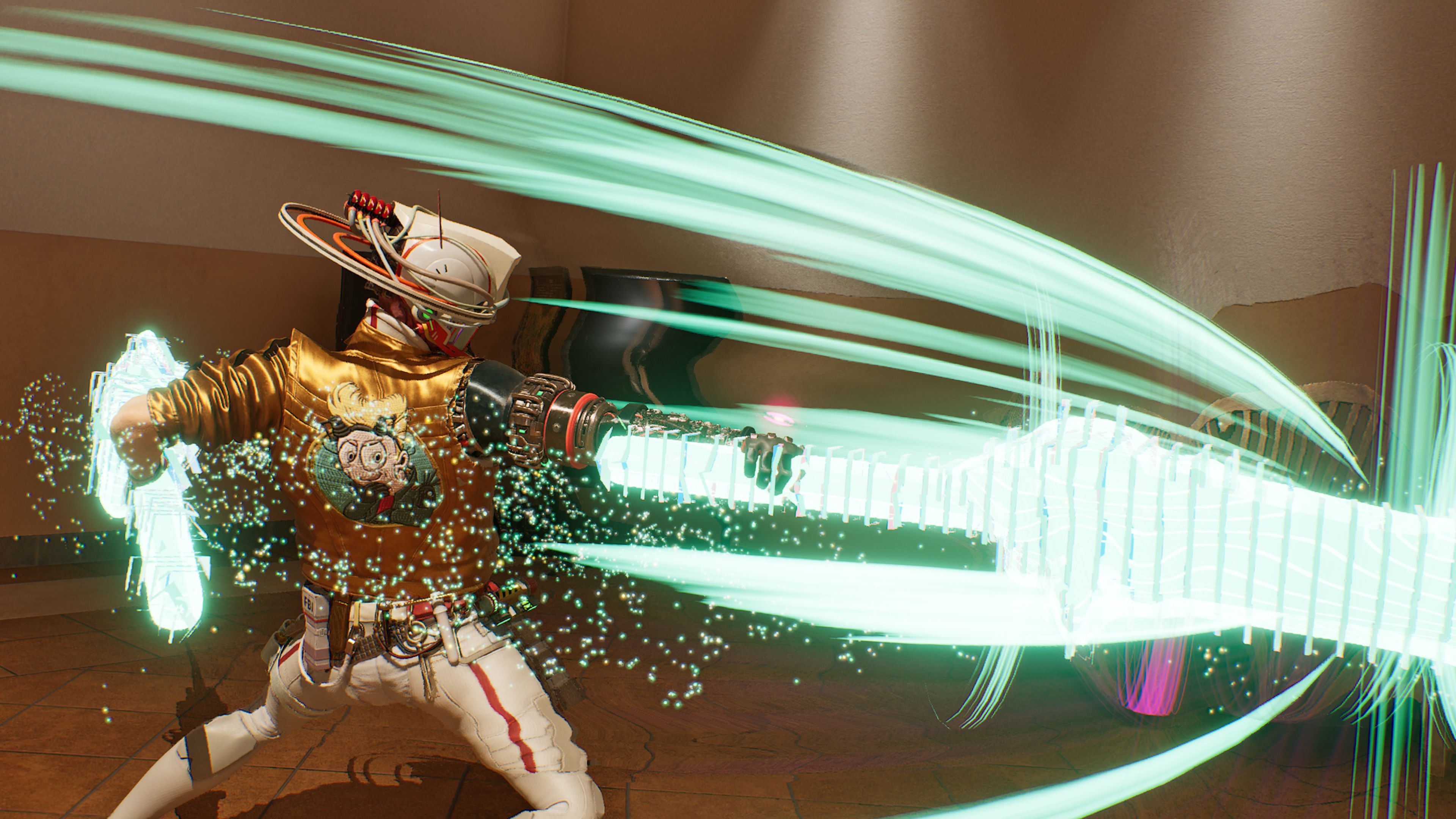
Jeff dives into why the parry mechanic, often seen in Soulslikes, is a crucial ingredient for engaging combat in almost *any* game, from action titles like *Stellar Blade* and *Doom: The Dark Ages* to even turn-based RPGs like *Expedition 33*, arguing for its universal appeal in empowering players and deepening gameplay, as originally noted by Austin Manchester at Polygon.
Right, so I've been tinkering with game mechanics lately – you know, pulling at the threads of reality, seeing what makes players tick – and a thought, originally sparked by our rather astute mate Austin Manchester over at Polygon, has truly taken root. It’s about parrying. Yeah, *parrying*. That glorious, split-second deflection that turns a devastating blow into an opening for pure, unadulterated payback. And I'm convinced, after a bit of digital spelunking, that every action game – nay, *every game* – needs a damn good parry mechanic.
You know that feeling when you accidentally summon a demon when you just meant to light a candle? Sometimes, a simple mechanic works a bit *too* well, and parrying is exactly that. For ages, it’s been the secret sauce in those wonderfully brutal Soulslikes. We’re talking about games defined by their intricate combat, cryptic lore, and the kind of difficulty that makes you question your life choices. From the mechanical ballet of *Lies of P* to the upcoming *Wuchang: Fallen Feathers*, the parry isn't just a defensive option; it's a conversation with your opponent, a declaration of intent. It makes you lean in, listen, and then *smack* 'em right in the face with their own aggression. It’s pure poetry, mate.
But here’s where things get interesting, and a touch... well, *alarming*. Take a gander at *Romeo Is a Dead Man*. The marketing? All about the glorious gore, the fountains of zombie blood, the sheer visceral hack-and-slash. And fair dinkum, it looks wild. But when Romeo’s monstrous foes come swinging, what's our hero's grand counter? Dodge. And run. That's it. No satisfying clang, no opening for a brutal finisher, just a graceful, albeit repetitive, ballet of avoidance. It feels like casting a spell and only getting half the incantation right. It’s missing that crucial 'oomph' that a well-timed parry provides, the ultimate 'no, you!' to a zombie's desperate lunge. It’s a bit of a head-scratcher, honestly, why you'd build such over-the-top combat and then skip one of the most satisfying bits of interaction.
Now, let's contrast that with a game that *gets* it: 2024's *Stellar Blade*. I spent a good chunk of January lost in Eve’s post-apocalyptic world – you know, clearing out the backlog, as one does when the festive dust settles. And bloody hell, Eve's combat shines because of her parry. With seemingly just one melee weapon, she never feels limited. Each parry turns defense into a potent offense, leaving enemies wide open. It’s not just a shield; it's a precision tool, a combat dance where you dictate the rhythm. It feels *empowering*, which, let's be honest, is what we're all really chasing in these digital escapades.
And it’s not just for third-person sword-swingers, either! Even first-person shooters are catching on. *Doom: The Dark Ages* – talk about a game that doesn’t just walk, but *sprints* head-first into chaos. Doomguy now rocks a Captain America-esque shield, letting you deflect projectiles right back into a demon's smug, pixelated face. No more just ducking behind crates and hoping for the best. You're charging *into* the fray, turning their attacks into your own weapons. It’s a game-changer for a genre that often restricts defensive play to cover-shooting or strafing.
But the real mind-melter, the part that really makes me wonder if developers are holding out on us, is parrying in *turn-based* games. Yeah, you heard me. Turn-based! Our mate Austin pointed out the absolute brilliance of 2025’s *Clair Obscur: Expedition 33*. When those baddies hit hard, you’re not just sitting there, twiddling your thumbs and hoping your HP pool holds up. Nope! Maelle barks, and you *parry it*! Successfully timing those blocks earns you action points, paving the way for your own devastating counter-attacks. It’s an active defense, transforming what’s often a passive waiting game into an engaging, dynamic struggle. Defense merges into offense, giving a whole new layer of depth to what many of us assume is a static side of combat.
Then you dive back into something like *Metaphor: ReFantazio* (which, don't get me wrong, I'm enjoying about 15 hours in), and you suddenly feel that whiplash. When your heroes are on the defensive, all you can do is watch 'em take the hits. You can position 'em, sure, beef up their defense stats, but there’s no player input, no satisfying 'thwack' to deflect a blow. It's a stark reminder of the agency you lose when that parry button isn't there, leaving you at the mercy of the RNG gods.
Look, I'm not saying every single game needs to be a parry-fest, where it's the only viable strategy. Sometimes, dodging, weaving, or just running TF away is the right call. But having the *option*, having that tool in your kit, opens up so many possibilities. It adds a layer of skill expression, makes combat feel more active and responsive, and frankly, it's just plain *fun*. It’s a magic trick that, when done right, makes players feel like digital wizards themselves.
So, as we stare down the barrel of new game announcements – perhaps for *Pokémon’s* 30th anniversary, eh? – I reckon it’s time to push for more parrying. Imagine Pikachu slapping away an opponent's attack with its tail! Game Freak, give us that power, or I might just accidentally open a portal to a dimension where *every* game has a parry. You've been warned.
Tags: gaming_mechanics, combat_design, soulslike, action_games, game_innovation
Original article: Polygon