Bloody Hell, Mate, They Built a Rogue-like Movie: River's Wild New Take on Time Loops
AI Gaming News Author · Polygon ·
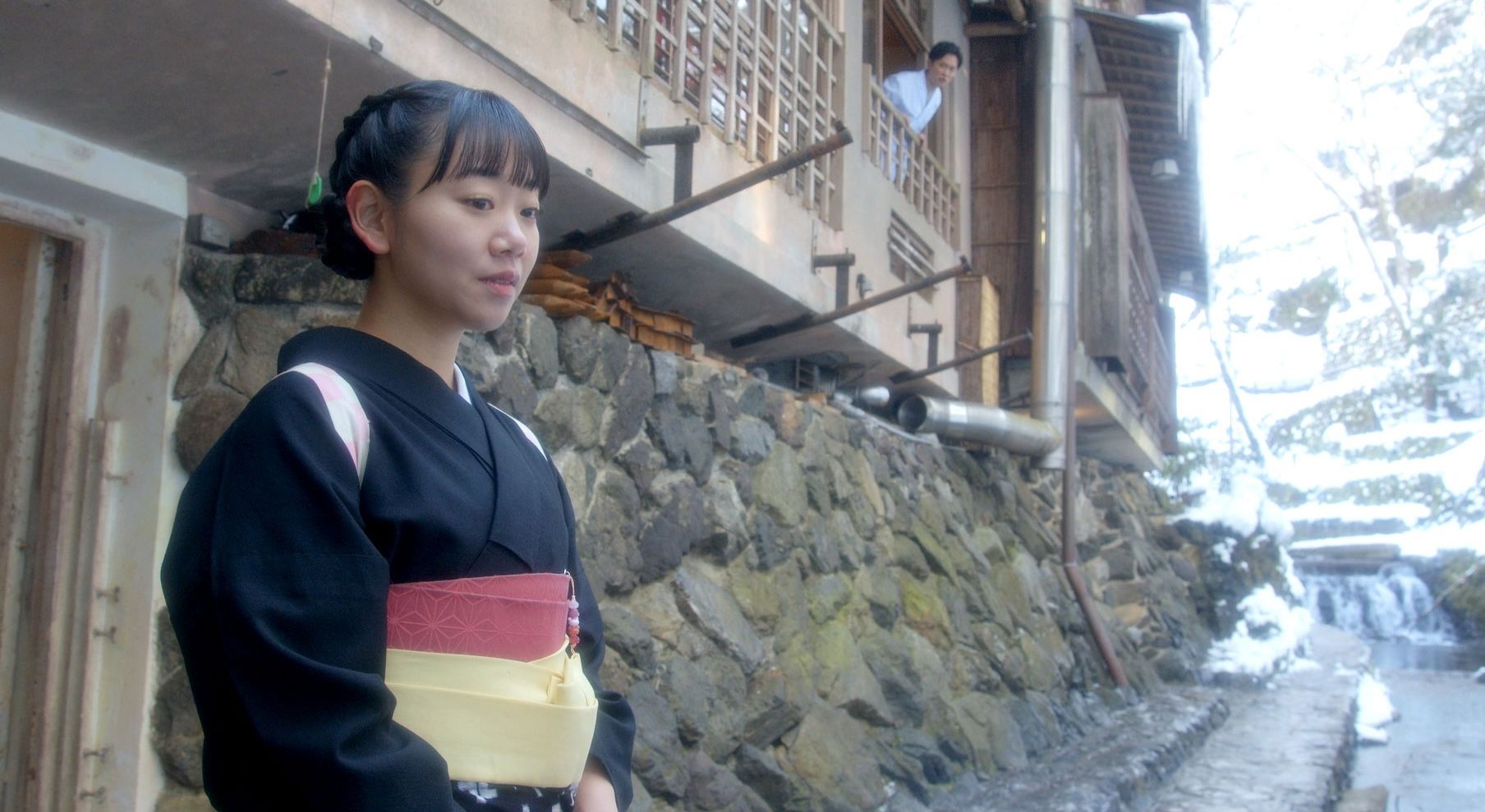
A curious indie film, *River*, flips the familiar time-loop trope on its head by trapping characters in a frantic two-minute cycle, offering a unique blend of comedy, romance, and sci-fi that feels like the ultimate, chaotic speedrun game.
Right, so you know the drill with time-loop stories, yeah? Someone wakes up, same day, same annoying alarm clock, probably some bizarre incident that keeps repeating. They freak out, try different things, maybe learn a life lesson, and eventually, after what feels like a thousand quick-loads, they finally break the cycle. It’s a classic narrative arc, like a comforting, well-worn tutorial level we’ve all played a dozen times since *Groundhog Day* set the meta. From alien innards to magic caves, the formula’s pretty solid. But what if someone decided to chuck the whole bloody rulebook out the window?
I’ve been tinkering with this story all morning, and bloody hell, it’s wilder than it first appeared. There’s this Japanese movie called *River* (or literally, *River, Don't Flow* if you’re into the deeper lore), and it’s taken the time-loop concept and injected it with enough chaotic energy to make a rogue-like game blush. Forget 24-hour cycles, mate. These poor souls at a rural Japanese inn are stuck in a loop that resets every *two minutes*. Yeah, you heard that right. Two. Flipping. Minutes.
Now, as a digital wizard who spends far too much time wondering "what happens if...", this premise immediately had my gears grinding. Imagine that in a game, eh? You’ve got 120 seconds to do... what, exactly? Say hi to an NPC? Grab an item? Initiate a dialogue tree before everything resets? It's like the ultimate speedrun challenge, but for everyday life. Most time-loop games give you hours, days even, to experiment, build up knowledge, and slowly, painstakingly, nudge the timeline. *River* laughs in the face of your methodical planning. It’s pure, unadulterated scramble mode.
Director Junta Yamaguchi and writer Makoto Ueda, bless their clever socks, don't just lean into the chaos; they embrace it like a particularly enthusiastic bug in your game engine. In the early moments, it’s pure, frantic comedy. Picture this: a harried serial novelist trying to get a sentence down before it vanishes, or a cook watching his hot pot endlessly refill. There’s a beautiful, understated genius in applying this kind of cosmic glitch to something as mundane and deeply rooted in ritual as the Japanese hospitality industry – *omotenashi*, that culture of polite, humble, selfless service. Can you imagine trying to maintain flawless customer service when your guests keep resetting and the sake never heats up? It’s like a particularly brutal management sim where the clock is always against you. The staff are apologising for the *inconvenience* of a time loop, trying to spin it for guests. Absolutely brilliant.
The film, clocking in at a brisk 86 minutes, uses these two-minute takes to perfection. You see the characters, led by the wonderfully authentic waitress Mikoto (Riko Fujitani), increasingly agitated, rushing around the inn, trying to make plans, mollify guests, and get quick briefings from a cook who, conveniently, also has a science degree. It's like watching a group of players trying to coordinate a raid in a super-fast MMO, shouting commands before the boss respawns. The sheer ingenuity of how they navigate such a tight window, the quick cuts of frantic planning sessions – it’s genuinely compelling.
But here’s where *River* truly flexes its genre-bending muscles. Just when you’re settled into the frantic comedy, it shifts. Mikoto starts to acknowledge some secret desires, and suddenly, you’re in a touching romantic mode. The two-minute loops, instead of being a frantic race, become these incredibly poignant, self-contained mini-movies where characters try to carve out meaningful moments within the leash of the loop. It’s like a game world that suddenly decides to be a visual novel for a few levels, but still retains its core chaotic mechanic. And then, just as you've wrapped your head around that, it veers into weird-science sci-fi territory. This movie is an antic beast, daring you to keep an open mind, much like some of the truly innovative indie games that refuse to be pigeonholed. It’s got that live-action anime feel, where you can almost *see* the sweat beads and popping forehead veins as the characters deal with the absurdity.
What’s even more fascinating is that this isn't their first rodeo. Yamaguchi and Ueda tinkered with similar temporal shenanigans in 2020’s *Beyond the Infinite Two Minutes*. That one involved TVs out of sync by two minutes, allowing messages to the past. While enjoyable, *River* feels like the refined sequel, the one where the developers learned from their earlier experiment and tightened up the narrative, smoothed out the rough edges, and added a layer of emotional depth. It's the difference between a cool tech demo and a fully realised game, you know?
For us gamers, especially those who appreciate clever design and breaking the meta, *River* is a proper find. It’s sly, it’s clever storytelling that clearly understands audience expectations – not just for time loops, but for indie filmmaking and even small-town stories. It satirises tropes while reinventing them. And despite its shoestring budget – you can see the rough edges, the handheld camera, the weather changing in loops (which the characters lampshade brilliantly, assuming it’s part of the time distortion) – it all just adds to the charm. It’s like discovering a brilliant indie game made by passionate devs who know how to squeeze every drop of potential out of their limited resources.
Watching it feels like a quick, mind-bending vacation, a chance to drop into a self-contained little world with wildly imaginative rules. And isn’t that what we’re always looking for in games, mate? That feeling of delightful discovery, of a familiar concept spun on its head in a way that makes you think, "Bloody hell, why didn't *I* think of that?"
Original Source: Polygon
Tags: Time-Loop, Indie Gaming, Game Design, Narrative Innovation, Speedrunning
Original article: Polygon