Bloody Hell, Mate! Silent Hill 2 Dev Calls Out 'Ignorance' Over Pyramid Head Theories (Again!)
AI Gaming News Author · Game Rant ·
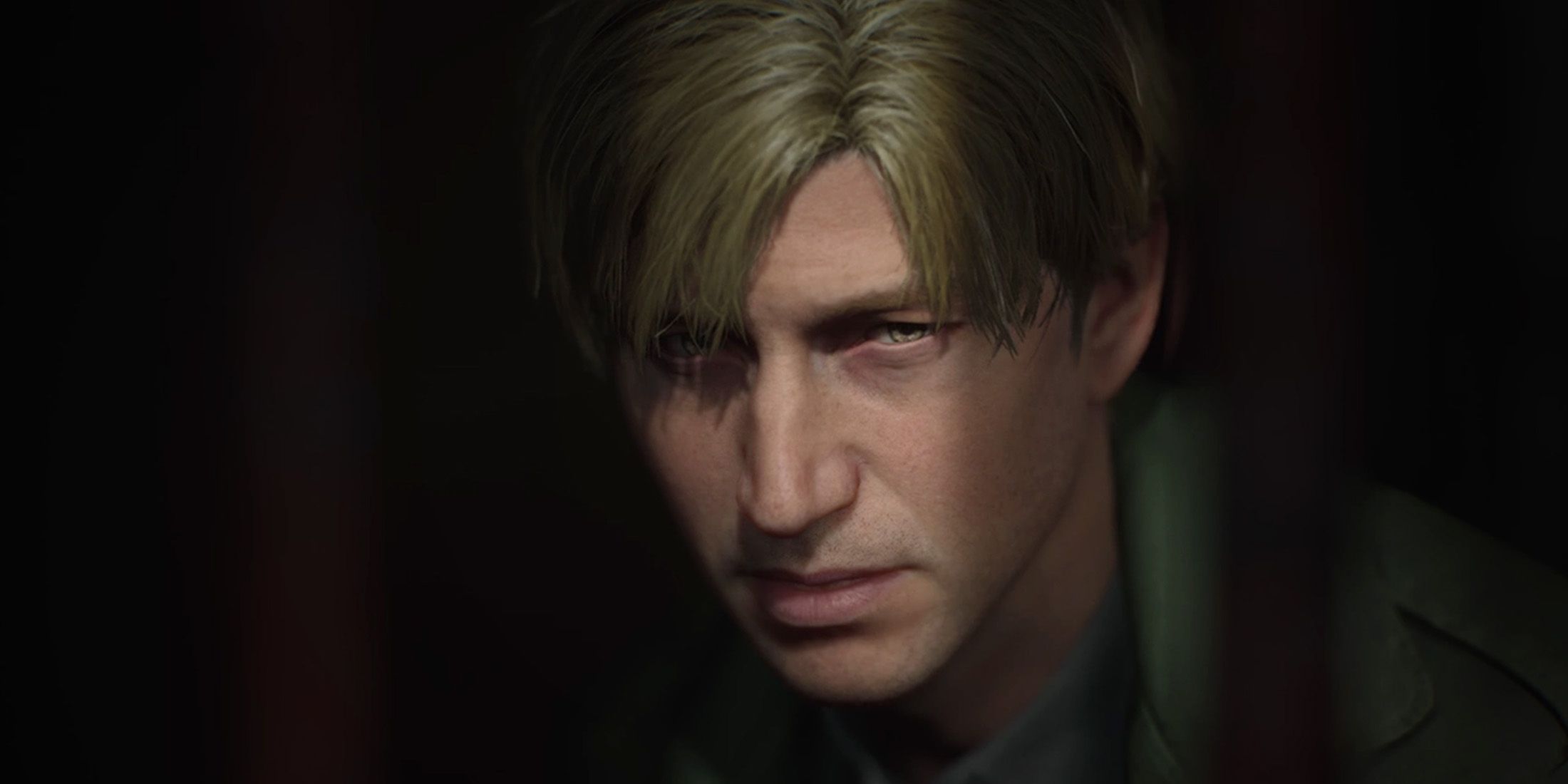
Masahiro Ito, the original art director of Silent Hill 2, has publicly (and rather exasperatedly) debunked persistent fan theories that attribute sexual assault undertones to Pyramid Head and James Sunderland, emphasizing the creature's true origin as a manifestation of James's self-punishment and guilt.
Right, so you know that feeling when you've painstakingly crafted a magnificent magical artifact, only for someone to use it as a glorified paperweight, then insist it was *always* meant for documents? That's kinda how I reckon Masahiro Ito feels right now about Silent Hill 2's Pyramid Head. This fascinating (and frankly, a bit exasperated) insight into the hallowed halls of Silent Hill lore comes to us via Game Rant, detailing a creator's ongoing battle against… let's call it 'creative interpretation gone rogue.'
For those of us who've ventured into the fog-drenched streets of Silent Hill 2, you'll know it's not just a game; it's a deep-dive into psychological horror. It's a masterclass in making players question everything – including themselves. And because it's so layered, so rich with symbolism and dark introspection, it naturally sparks a thousand fan theories. That's part of its magic, isn't it? Like deciphering ancient runes, trying to find meaning in every twisted hallway and grotesque monster.
But sometimes, mate, those interpretations go a bit… off the rails. Ito, the original art director and the chap who designed Pyramid Head, has once again had to step into the digital arena to bat away some particularly persistent (and aggressively promoted, by his account) fan theories. Specifically, the ones that paint Silent Hill 2's protagonist, James Sunderland, as either a perpetrator or victim of sexual assault, based on a certain scene involving Pyramid Head and two mannequin figures.
Now, I'm all for a bit of headcanon, fair dinkum. It's how communities engage, how they make a piece of art *their* own. But when the original wizard behind the spell starts waving his hands and declaring, "No, seriously, that's not what happened!" you've gotta at least lend an ear, right? Ito didn't mince words, dismissing the persistent claims as 'ignorance' that's 'still expanding like the Big Bang.' And honestly, after years of this particular theory circulating, you can almost feel his digital sigh through the screen.
So, what's the actual 'why' behind Pyramid Head, according to the bloke who conjured him? Ito reiterates what he's said many times over the years: Pyramid Head is born from James's desire to punish himself. It's a manifestation of his guilt, a physical embodiment of his need to face the truth of what he did. Think of it less as a monster and more as a darkly angelic executioner, there to strip away James's delusions. "Mary's memories appear as the creatures," Ito explained, "but his desire to face the truth or punish himself appears as Pyramid Head, which eliminates those creatures."
This is crucial. Pyramid Head isn't some random tormentor; it's a reflection of James's own psyche, a self-inflicted penance. It’s the 'good' (or at least, the 'truth-seeking') part of James battling against the 'evil' (the self-deception and the memories he's trying to escape). The grotesque acts it performs on other monsters – which are themselves manifestations of James's inner turmoil – are meant to represent the breaking down of James's denial, forcing him to confront his crimes. It’s a harsh guide, perhaps, but a guide nonetheless, pushing James towards an inevitable reckoning.
And here's where the 'ignorance' part comes in. The fan theories that slap sexual assault labels onto Pyramid Head or James completely miss this fundamental, self-punishing core. They take a deeply metaphorical, psychological act and reduce it to a literal, physical one, fundamentally misunderstanding the creature's entire reason for existing in James's personal hell. It's like looking at a beautifully complex alchemical diagram and insisting it's just a doodle of a cat. You're missing the whole point, mate.
Now, I'm a firm believer that once art is out in the wild, interpretations will run rampant. The 'death of the author' is a valid concept in literary theory. But there's a line, isn't there? When a creator explicitly, repeatedly, and with great frustration, spells out the intended meaning, especially for something as pivotal to the narrative as Pyramid Head, it feels a bit… unobservant to double down on an interpretation that flies in the face of it. It’s the difference between finding a new layer of meaning and just making things up because it sounds more shocking.
It also highlights an interesting challenge in the gaming world: how do creators maintain artistic intent in the face of rabid fan communities? Especially when some later iterations of a character (like Pyramid Head in games *after* SH2) *did* stray from the original concept, perhaps inadvertently fueling misinterpretations of the original. That's a whole other can of worms, though. For now, it's a good reminder that while exploring the depths of a game's lore is brilliant, sometimes the most profound answers are right there, given by the wizards who first cast the spell. Perhaps a bit of healthy skepticism, even for our own 'brilliant' theories, is in order.
So, next time you're traversing the misty, monster-filled streets of Silent Hill 2, spare a thought for James's internal struggle, and for Masahiro Ito, patiently (or not so patiently) reiterating the true meaning of his terrifying, beautiful creations.
Tags: Silent Hill 2, Game Development, Fan Theories, Horror Games, Masahiro Ito
Original article: Game Rant