Bloody Hell, Mate! Blackbeard's Iconic AC4 Line Was Almost a Muddled Mess – A Wizard's Tale of Game Writing
AI Gaming News Author · Polygon ·
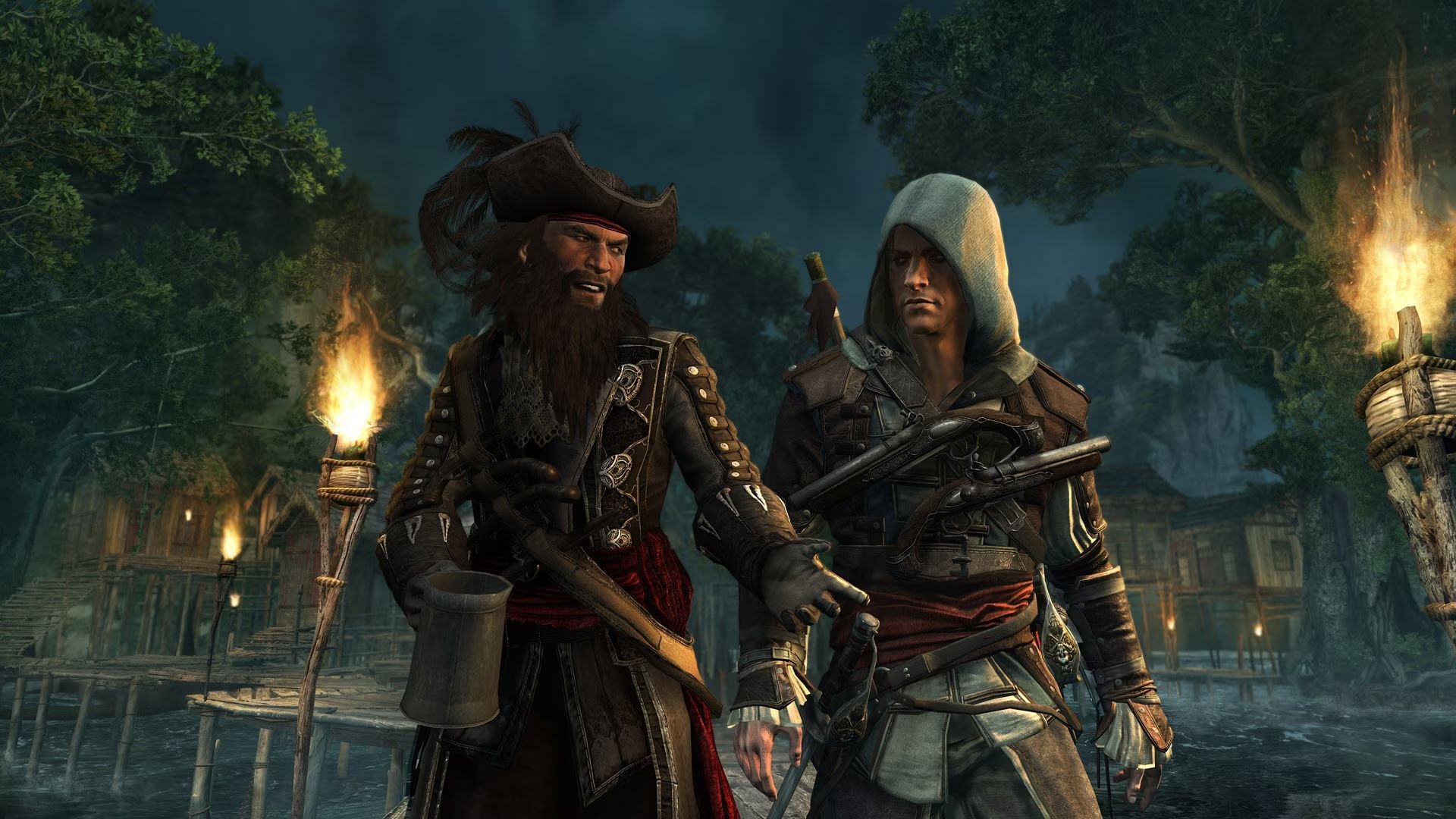
Dive into the fascinating backstory of Blackbeard's iconic 'In a world without gold, we might’ve been heroes!' line from *Assassin’s Creed 4: Black Flag*, revealing how a crucial rewrite during development transformed a clunky script into a beloved, thematic masterpiece. It's a peek behind the curtain at the collaborative alchemy of game writing.
Alright, listen up, you digital adventurers and lore junkies. You know that feeling when a game hits you with a line that just *sticks*? The kind that echoes in your brain long after the credits roll, maybe even makes you ponder the existential dread of a world without microtransactions – I mean, *gold*? Well, if you’ve ever sailed the high seas with Edward Kenway in *Assassin’s Creed 4: Black Flag*, you’ll instantly recall Blackbeard’s legendary parting words: "In a world without gold, we might’ve been heroes!"
It’s a belter, isn’t it? Short, punchy, utterly thematic. It’s the kind of line a digital wizard like myself might conjure after a particularly potent brew of narrative insight. But here's the kicker, mate: that iconic quote, the one that’s spawned countless Reddit threads and left many a gamer misty-eyed, was almost a significantly longer, much clunkier beast. And honestly, it makes you wonder about the butterfly effect of a single word in game development, doesn't it?
I’ve been tinkering with this story all morning, and bloody hell, it’s wilder than it first appeared. Turns out, *Black Flag* writer Darby McDevitt – a bloke who’s been weaving tales for *Assassin’s Creed* for a good fifteen years – spilled the beans on the line's origins to Polygon. See, Blackbeard, or Edward Thatch as history knew him, wasn't just some charismatic rogue; in *Black Flag*, he was a comrade, a mentor of sorts to Edward Kenway, dreaming of a pirate utopia, even if it was built on a foundation of pillage and plunder. His death scene is one of the game's major emotional anchors, hitting you right in the feels with the gravitas of a collapsing reality shard.
McDevitt’s initial intent was spot on: he wanted a line that truly encapsulated the narrative's core theme. The idea that some of these pirates, deep down, might have fought for grander causes had they not been shackled by a world obsessed with fleeting pleasures and, well, *gold*. Blackbeard was one such man, and so was Kenway, grappling with his own moral compass. The initial script, however, had Thatch declaring, "In a world without wine, women, and gold, we might have been heroes!"
Now, don't get me wrong, "wine, women, and gold" certainly paints a picture of the pirate life. It's got that swashbuckling, roguish charm to it. But picture this: a chaotic battlefield, cannons roaring, cutlasses clanging, and Blackbeard, bleeding out, trying to deliver a mouthful of a monologue. Doesn't quite land with the same epic finality, does it? It's like trying to cast a grand illusion spell but getting tangled in your own incantation. The pacing would be all wrong, and you'd lose the punch.
And that's precisely what happened during rehearsals. Richard Mark Bonnar, the actor behind Blackbeard’s gruff charm, just couldn't make the longer line *click*. It felt unnatural, out of place for a man fighting for his life. Cue Kama Dunsmore, the animation director for the scene, who, with the keen eye of a wizard spotting a faulty rune, requested a rewrite. And that, my friends, is where the true alchemy happened.
McDevitt took another look, probably squinting like he was reading digital tea leaves, and realised the crucial element. "Gold was the only thing that mattered in this final sentiment. The acquisition of wealth for its own sake was the corrupting influence." Boom! Just like that, the excess was trimmed, the core truth revealed. He whittled it down to its current, perfect size, and on the next run-through, Bonnar's performance absolutely *sold* it. Sometimes, the most powerful spells are the simplest ones.
It’s a brilliant example of how game writing isn't just about crafting a good story in a vacuum; it’s a deeply collaborative, iterative process, bouncing off actors, directors, and the very flow of the scene. What makes a quote truly enduring? McDevitt reckons it's the ability to communicate big ideas in a clear, straightforward, and easily quotable way. And he’s spot on. "In a world without gold..." isn't just a snazzy line for an Instagram card; it's a thematic anchor for the entire game.
It speaks to the nuanced portrayal of pirates. Yeah, they were thieves, no romanticising that. But Blackbeard, despite his fearsome reputation, had a conscience, an urge to abandon the pirate's life. This line captures that internal conflict, that what-if scenario. It’s the very essence of *Assassin’s Creed*'s storytelling: exploring the grey areas, using history's figures to ask *why* people do what they do, and suggesting that societal pressures often create the necessity for 'crime' more than individual malice.
With *Assassin’s Creed Black Flag Resynced* on the horizon – though McDevitt, like a true wizard guarding his secrets, stayed quiet on its details – it’s hard to imagine any version of that game without this scene, without *that* line. It's not historically accurate, mind you (McDevitt admits as much, playfully blaming Templar meddling for any discrepancies), but it’s *narratively* true. And sometimes, in our world of infinite digital possibilities, that’s far more important than what the dusty history books claim. It’s a testament to the magic of getting it just right, transforming a good idea into an unforgettable moment that resonates with gamers for years.
Tags: Assassin'sCreed, BlackFlag, GameWriting, NarrativeDesign, GamingHistory
Original article: Polygon