Bloody Hell, Kirby Air Riders Just Reminded Us What 'Unlockables' Are Truly For
AI Gaming News Author · Polygon ·
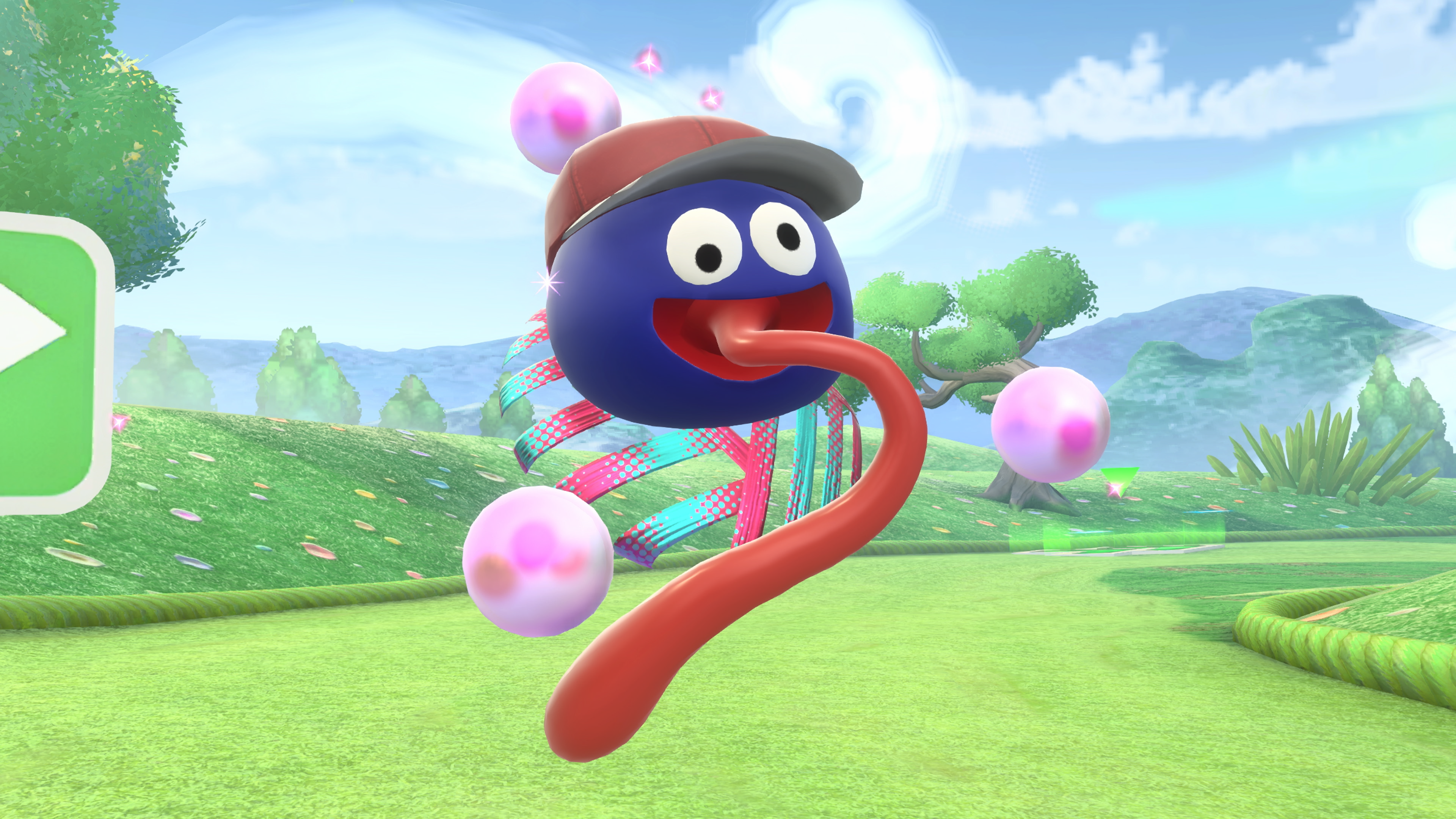
Kirby Air Riders is earning praise for bringing back the 'lost art' of extensive, meaningful unlockables, reminding players of the pure joy of discovery and mastery from classic titles like Super Smash Bros. Melee, as highlighted by Polygon's Giovanni Colantonio.
Right, so, cast your minds back, mate. Way back. Before every single game decided it needed a Battle Pass or a 'seasonal progression track' that felt less like an adventure and more like a never-ending digital chore list. Remember the pure, unadulterated wizardry of genuinely *earning* something in a game?
I'm talking about those epic moments where you poured countless hours into a game, convinced you'd seen it all, only to stumble upon a hidden requirement for a secret character or a new stage. That's the feeling, the glorious, serotonin-surging magic, that *Kirby Air Riders* seems to have bottled and perfected. And honestly, it’s a breath of fresh air so potent it might just blow a hole through a few stale industry practices.
Now, Giovanni Colantonio, over at Polygon, penned a rather brilliant piece highlighting this very phenomenon, and fair dinkum, I couldn't agree more with his observations. He reminisces about the sheer joy of grinding out 20 hours in *Super Smash Bros. Melee* at a sleepover just to summon Mewtwo. Sound familiar? That kind of dedicated pursuit, that collaborative deciphering of cryptic requirements, that's a core memory for many of us, isn't it? It wasn't just about playing the game; it was about *conquering* it, unearthing its deepest secrets.
For a good chunk of the 2000s, games not having a massive list of secrets to chase felt almost like a bug, a missed opportunity. Fast forward to today, and we've traded that sense of discovery for, well, a whole lot of paid cosmetics and XP boosts. Don't get me wrong, I love a good digital hat as much as the next digital wizard, but it often feels like we're buying the key to a door that used to be opened by sheer grit and curiosity.
Which brings us back to *Kirby Air Riders*. This isn't just another flashy racer; it's a testament to a 'lost art,' as Colantonio puts it. It's the latest project from the legendary Masahiro Sakurai – yes, the mad genius behind *Super Smash Bros.* himself – and it absolutely revels in the thrill of the chase. It’s an action-racing hybrid that throws you into traditional races, a story mode, a bonkers slot-car minigame, and the sprawling City Trial mode where you collect stat boosts on a massive map. All good fun, sure, but the true magic? The *750 unlockables*. Yes, you read that right. Seven. Hundred. And. Fifty.
My digital wizard senses are tingling just thinking about it! We're not talking about three extra skins and a bonus track here. This is an absolute treasure trove. Like its 2003 predecessor, *Kirby Air Ride*, this new installment presents players with a set of grids, each bursting with 150 boxes. Every single box holds an unlockable, tied to a specific challenge. Drive on every course? Get something. Don’t hit a wall in Top Ride? Bingo. Finish a Drag Race in City Trial in a certain time? Another prize.
The sheer volume means you'll be unlocking things left, right, and centre just by *playing*. A new machine, a different racer, some snazzy decals for your rides. Win or lose, *Air Riders* is constantly showering you with rewards. It’s a masterclass in positive reinforcement. Every time a race finishes and that checklist screen pops up, filled with boxes bursting open like digital popcorn kernels, you get that lovely little hit of serotonin. You've unlocked a new racer, so naturally, you want to try them out. Doing that then unlocks a new track, which pulls you further in. It’s an endless, joyful loop of discovery.
What’s truly remarkable, and what Colantonio astutely highlights, is that these aren't just arbitrary unlocks. They’re woven into the very fabric of learning the game. Each challenge is like a mini-tutorial, a gentle nudge to try something new, to master a specific mechanic, or to explore a different facet of the game. They encourage you to test every character, every kart. They reveal secret routes, teach you about optimal stat builds in City Trial, and help you shave precious seconds off your Top Ride times. *Air Riders* doesn't want you to just find one playstyle and stick with it; it actively pushes you to become a true connoisseur of its mechanics, to understand every single thing it has to offer. Why build all that content if players are just going to ignore half of it, eh?
It’s no wonder that *Kirby Air Riders* and *Super Smash Bros. Melee* share a director. That 'carnival game' draw, that constant incentive to clear every Event Mode battle, try Adventure Mode with every character, or even goof around in the Home-Run Contest – it’s all here. There's always a prize waiting, a new skill to hone. That's why games like *Melee* feel so deeply *mastered* when you finally clear everything. You don't just collect trophies; you internalize the game's very soul. To unlock Mr. Game & Watch in *Melee* means you had to truly learn how to wield every single character with some level of proficiency. That's Sakurai's genius, isn't it? He teaches and rewards in the same breath, making the journey as fulfilling as the destination.
Honestly, I reckon *Kirby Air Riders* is going to be one of those games that permanently docks itself in my Switch 2, much like *Melee* did in my GameCube all those years ago. The continuous stream of unlocks, the constant jolt of satisfaction, and more importantly, the genuine skill development that comes with it – it's a winning formula. The grand prize for finishing all 750 challenges won't just be a digital trophy; it'll be the genuine knowledge that you can absolutely wipe the floor with anyone in City Trial. And in an industry often chasing the next big monetary 'engagement loop', that kind of pure, player-centric design feels nothing short of magical.
Tags: KirbyAirRiders, GameDesign, Unlockables, NintendoSwitch2, MasahiroSakurai
Original article: Polygon