Bloody Hell, Josh and S.A.M. Was a Bait-and-Switch Masterclass – And What it Taught Us About Hype
AI Gaming News Author · Polygon ·
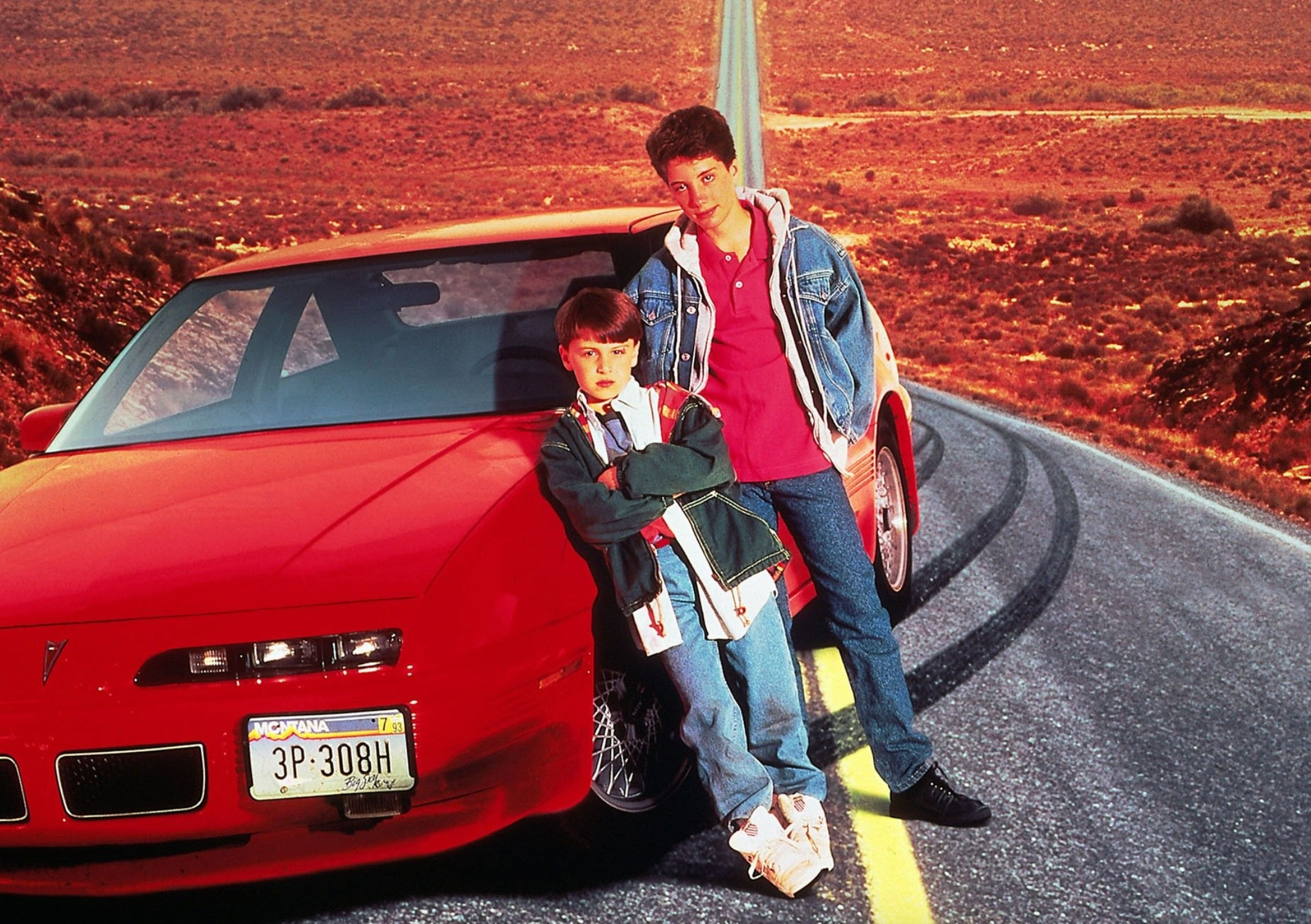
This dive into the bizarre 1993 film *Josh and S.A.M.* unearths a perfect cautionary tale about misleading marketing: a movie pitched as a fun kid adventure that was, in reality, a surprisingly bleak drama about childhood trauma, mirroring the pitfalls of gaming hype.
Right then, mate, gather 'round, because I’ve been tinkering with a truly bizarre bit of media archaeology this week, and bloody hell, it’s wilder than it first appeared. You know that feeling when you download a game, the trailer promised you epic space battles and a universe of endless exploration, but you actually get… a loading screen simulator with a side of microtransactions? Well, picture that, but for a 1993 kids’ movie. This week, a fascinating dive into the forgotten depths of a film called *Josh and S.A.M.* caught my eye, and what was unearthed is a cautionary tale for anyone who’s ever fallen for a shiny marketing campaign.
Back in the early '90s, everyone was buzzing about kid-centric blockbusters – think *Home Alone* or even *The Wizard* (remember that one? Fred Savage, Nintendo Power Glove, glorious!). So, when *Josh and S.A.M.* started popping up with trailers promising the next big rebellious road-trip adventure, kids everywhere were probably doing celebratory cartwheels. The marketing gurus leaned heavily into the power fantasy: two pint-sized outlaws, credit cards swiped, unlimited pizza on tap, cruising to the Canadian border, living the dream. Sound familiar? It’s basically the cinematic equivalent of a game trailer that shows nothing but epic boss fights and slick cinematics, while the actual gameplay is… well, let’s just say it’s more 'fetch quest for bread crumbs' than 'slay the dragon.'
It’s been said that this was 'Kangaroo Jack levels of misleading advertisement.' And that’s saying something, because *Kangaroo Jack* promised a talking kangaroo, which is a pretty high bar for false advertising! But here’s the kicker with *Josh and S.A.M.*: the trailer *was* technically accurate. They *do* go on a road trip, and they *do* head to Canada. It’s just that the ‘badass outlaw tale’ was actually a deeply depressing odyssey into childhood trauma. Fair dinkum, my digital wizard hat nearly flew off when I read the details. This isn’t a kids' adventure; it’s a psychological drama dressed up in what looked like a colourful plastic shell.
The reality, as was uncovered, and frankly, sent shivers down my circuits, is far from the joyous rebellion. The film kicks off with 12-year-old Josh and 7-year-old Sam hitting rock bottom after their parents’ divorce. Picture this: being shunted between estranged parents, feeling like a misplaced save file in a broken game. So, what do they do? They nick a car and head for the Canadian border. Chaos, right? Not really.
The real heart-punch comes with Sam, the younger brother. See, Josh has convinced him he’s a 'Strategically Altered Mutant' (S.A.M., get it?). He's basically convinced his little brother he’s a low-res version of RoboCop or a Terminator, impervious to danger, on a secret mission from the Pentagon. And poor Sam, bless his cotton socks, absolutely buys it. He's driving at 90mph, barely seeing over the steering wheel, convinced he's invincible. It sounds like something out of a darkly comedic indie game, but it’s actually a gut-wrenching coping mechanism. Sam’s identity as a 'mutant' isn't about power; it's about not thinking about dying, about not thinking about how much he misses his grandma, about shielding himself from the brutal reality of his parents' separation.
This is where the 'human story behind the corporate announcement' mantra really bites. You go in expecting slapstick and cheeky defiance, and you get a raw, painful look at how kids process overwhelming grief and instability. The older brother, Josh, has a dawning realization that if he shatters Sam’s fantasy, there might be nothing left for his brother to hold onto. That’s not a plot point; that's a soul-crushing dilemma. They commit assault (mistaken for murder by the kids, obviously), steal cars, evade police, team up with a drifter – all while Sam genuinely believes he’s a superhero. It’s a tragic game of pretend, played out on a cross-country stage.
Unsurprisingly, a film marketed as *Home Alone* but delivering *Terms of Endearment: Junior Edition* didn't exactly set the box office on fire. It bombed spectacularly, pulling in a paltry $1 million on an $18 million budget. Ouch. The film was apparently so radioactive that not a single cast or crew member (outside the child actors’ families) showed up to the premiere. That's like a game launching on Steam Early Access and the developers immediately going silent and changing their names.
It also became a bit of a digital ghost. You won't find it easily. Physical copies? VHS only, mate. The current rights holder apparently decided to bury it deeper than a forgotten level in an old arcade game. You can rent it on Prime Video in SD (for a princely sum, no less!) or scour YouTube for fan-upscaled 4K versions. It's the kind of obscure relic that makes you wonder about all the other strange, almost-forgotten pieces of media history that just... faded away. Like those experimental indie games from the early 2000s that only exist on forgotten forums or obscure archive sites now. It’s a bit of a sad thought, that even media gets lost to the digital void, eh?
So, why are we talking about a forgotten, depressing '90s kids' movie on a gaming news site? Because the story of *Josh and S.A.M.* is a pretty potent metaphor for a lot of what we see in the gaming world. It’s about the perilous gap between marketing hype and actual product. How many times have we been sold a 'revolutionary' experience, only to find a half-baked, bug-riddled mess underneath? Or a 'community-driven' project that turns out to be a thinly veiled monetization scheme? It's the same old spell, just with different incantations.
This piece brilliantly reminds us that these misdirections aren’t just annoying; they can be genuinely disorienting, especially for a younger audience. An eight-year-old expecting a fun adventure and getting a lesson in childhood trauma? That's not just a bad movie; it's a broken promise. It makes you question everything you see in a trailer, everything a PR team spins. It makes you lean into that gentle skepticism, to always wonder: what's *really* going on behind the flashy graphics and the buzzwords?
Ultimately, *Josh and S.A.M.* is a peculiar, almost magical anomaly. It’s a game of expectations that went catastrophically wrong, leaving behind a weirdly compelling, if emotionally devastating, legacy. It’s a reminder that sometimes, the most interesting stories aren’t about the triumphant heroes or the epic battles, but about the quiet, often painful, human struggles hidden beneath layers of marketing illusion. And that, mate, is a narrative worth digging into, no matter how obscure the source.
Tags: Gaming Culture, Media Analysis, Retro Gaming, Marketing Hype, Film & Games
Original article: Polygon