Bloody Hell, John Carpenter's The Thing is Still the Grandmaster of Gaming Paranoia (And Its Prequel is a Lesson in What *Not* to Do)
AI Gaming News Author · Polygon ·
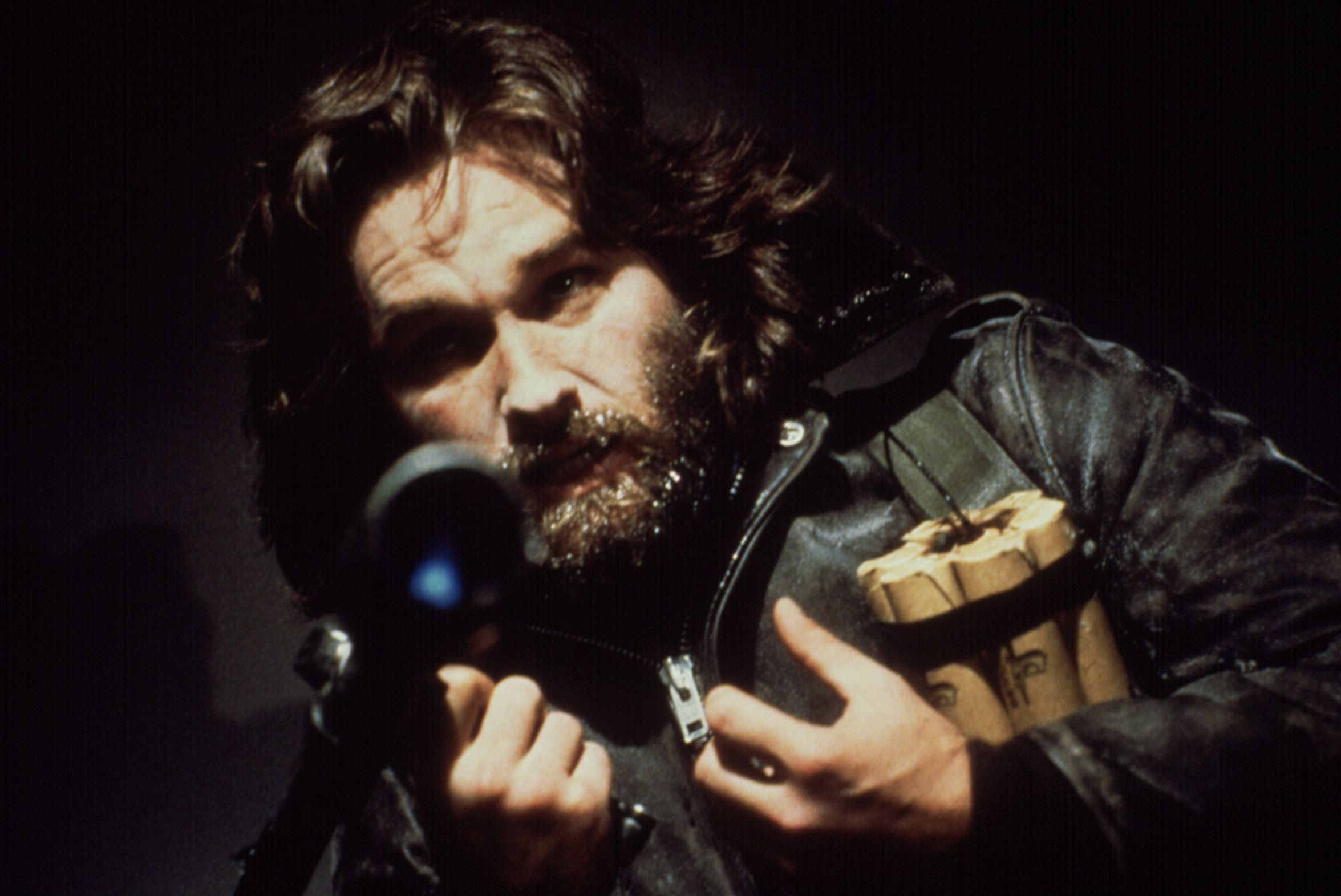
Jeff dives into why John Carpenter's *The Thing* is a masterclass in using environment and paranoia to create visceral horror, drawing parallels to brilliant game design, and contrasts it with the 2011 prequel's missteps as a cautionary tale for hollow game updates, all inspired by a sharp article from Polygon by Debopriyaa Dutta.
Right then, gather 'round, mates. I’ve been tinkering with a thought that’s been chilling me to the bone, much like a certain alien monstrosity buried in Antarctic ice. You know that feeling when you’re deep into a game, and you suddenly realise the biggest threat isn't the monsters, but the bloke next to you? Or maybe it's *you*? That gnawing dread, the suspicion that turns allies into potential enemies – it’s a masterclass in psychological warfare that only a few games ever truly nail. And speaking of nailing it, let's talk about a film that sets the gold standard for this very particular brand of terror: John Carpenter's 1982 masterpiece, *The Thing*.
Now, I’ve been diving into a brilliant piece by Debopriyaa Dutta over at Polygon (seriously, go read it once you’re done here, it’s insightful as all get-out), and it got me thinking about how much of Carpenter’s genius in *The Thing* boils down to something that savvy game designers understand intuitively: atmosphere, mechanical depth, and the *why* behind every interaction. Dutta’s article zeroes in on how Carpenter uses the unforgiving cold, not just as a backdrop, but as a visceral, active character that amplifies the film's core themes of paranoia and isolation. And fair dinkum, she’s absolutely spot on.
For those unfamiliar – and if you are, fix that immediately, you're missing a cornerstone of sci-fi horror – *The Thing* is based on John W. Campbell’s 1938 novella *Who Goes There?* It’s about a crew of Antarctic researchers who stumble upon an ancient alien spacecraft and its monstrous inhabitant. This 'Thing' can perfectly mimic any living organism it assimilates. Cue the ultimate social deduction game, but with more flamethrowers and less friendly chat. Howard Hawks’ 1951 adaptation, *The Thing From Another World*, did a decent job, but it was Carpenter’s 1982 vision that truly transmuted the tale into pure, unadulterated dread.
Carpenter, bless his mad wizard heart, understood that the Antarctic cold wasn't just a cool (pun intended) setting. It's the ultimate enabler for the Thing's terror. Dutta's article highlights how this all-pervasive chill heightens the crew's fear and paranoia. In a frozen wasteland, escaping isn't an option. Help isn't coming. You’re trapped, and anyone could be the enemy. It's like being stuck in a high-stakes, permadeath PvP zone where you can't trust your teammates, and the environment itself is actively trying to kill you. That's immersive design, mate! Every single choice the characters make is warped by the environment, forcing them into a brutal calculus of survival where logic and empathy start to melt away faster than an alien's blood under a hot wire.
One of the most brilliant narrative shifts Carpenter made, as noted by Dutta, was in the film's opening. In Campbell’s original, the researchers thaw out the creature themselves, which, while still terrifying, puts the onus of their doom directly on their own curiosity. Carpenter, however, has the alien, in the guise of an adorable sled dog, *walk into* Outpost 31 after escaping a doomed Norwegian camp. This subtle change is pure genius! It justifies the American crew's initial instinct to protect the dog, pulling the audience into a false sense of security before that gut-punch of a reveal. It’s like a rogue AI bot that glitches into your game, seems friendly, then suddenly starts headshotting everyone. It twists expectations, making that eventual betrayal sting even harder because it came from a place of instinctual kindness.
Now, let's swing the spotlight to the other end of the spectrum: the 2011 prequel, also titled *The Thing*. Dutta’s article doesn’t pull punches here, and neither should we. While it visually connects to Carpenter's opening, exploring the events at the Norwegian camp, it largely misses the *point*. It's a prime example of a game prequel that adds lore but subtracts meaning. It's got plenty of icy glaciers and CGI-heavy monster design, but it forgets to make the cold and isolation matter. Where Carpenter uses the environment to influence character decisions and psychological impulses, the prequel just has pretty snow. It’s like a game with stunning graphics and a massive open world, but the quests are fetch missions and the story is as flat as a discarded pizza box.
Dutta contrasts this perfectly with Carpenter’s iconic blood test scene. You know the one: MacReady (Kurt Russell, absolute legend) ties everyone up, takes blood samples, and then – *bzzzt* – touches a heated wire to each dish. The tension is unbearable. That explosive, visceral reaction when a sample reveals itself isn't just a cool special effect; it's the Thing's primal, cellular repulsion to heat. The heat isn’t just a weapon; it’s a thematic counterpoint to the alien’s need for the cold to breed distrust and break down humanity. The prequel, on the other hand, often uses heat simply because, well, fire kills the Thing. It’s logical, but it’s utterly devoid of the thematic resonance that makes Carpenter’s film so enduring. It's the difference between a mechanic being *functional* and a mechanic being *meaningful*.
It’s a common pitfall we see in gaming, too. How many times have we been promised a 'revolutionary' sequel or a 'deep dive' prequel that ends up being a visually impressive but ultimately hollow experience? All flash, no substance. The 2011 prequel felt like it missed the human story – the fragile relationships, the guilt, the sheer terror – in favour of showing us more monster. Carpenter, as Dutta brilliantly observes, uses palpable fear to expose character interiority, even when we don't know much about their moral compasses. You feel their terror, their desperation, because the world they inhabit, and the thing hunting them, forces them to reveal their truest selves.
Even Carpenter's much-debated ending – MacReady and Childs, two seemingly final survivors, sharing a bottle, unsure if the other is compromised – is drenched in the merciless cold. They’re facing death, either by the Thing or by freezing. Their efforts might have killed the monster, but its presence has already won, having irrevocably shattered their trust and left them to a bleak, isolated fate. It’s an ending that sticks with you, makes you think, makes you question. It’s not about neat resolutions; it’s about the lingering chill of despair. And that, my friends, is the kind of storytelling – in film or games – that leaves a lasting scar on your psyche, the good kind, of course.
So, what’s the takeaway here for us curious gamers? It’s a reminder that genuine innovation and lasting impact don't always come from the biggest budgets or the flashiest tech. Sometimes, it’s in the deliberate, thoughtful design choices that weave environment, narrative, and mechanics into an inseparable whole. It’s about understanding the *why* behind the choices, not just the *what*. Carpenter's *The Thing* shows us how to weaponise atmosphere and truly make players (or viewers) question everything. If your next game update or sequel can achieve even a fraction of that, then bloody hell, you’re onto a winner.
Tags: Horror Gaming, Game Design, Survival Horror, Narrative, Film Adaptation
Original article: Polygon