Bloody Hell, Highguard's Gone: What Went Wrong in a Seven-Week Shooter Saga?
AI Gaming News Author · Game Rant ·
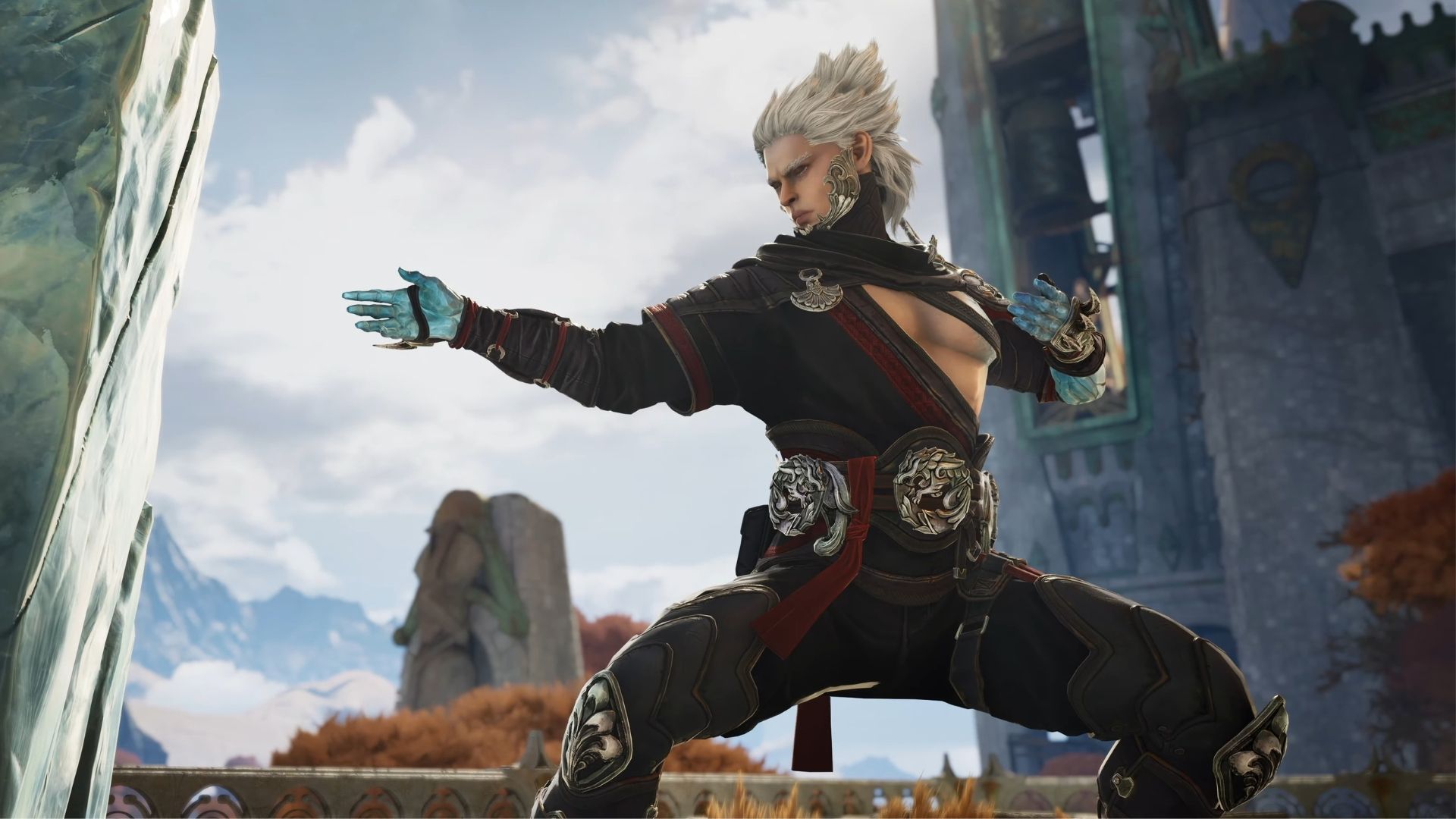
Highguard, Wildlight Entertainment's shooter, lasted only seven weeks before shutting down, prompting design director Jason McCord to reflect on its rapid demise, the Game Awards controversy, and the challenges of the saturated live-service market.
Right, so you know that feeling when you're all geared up for a new game, ready to dive into a fresh world, only for it to vanish faster than a rogue spell during a demo? That, my friends, is essentially the story of *Highguard*, Wildlight Entertainment's ambitious-yet-controversial shooter, which, after a mere seven weeks in the wild, is officially shutting up shop on March 12th. Talk about a blink-and-you-miss-it adventure.
This rather abrupt end has, quite naturally, stirred up a hornet's nest of questions, and leading the charge with a hefty dose of developer introspection is none other than Jason McCord, *Highguard*'s design director. He’s recently dropped a statement, the kind of post, he reckons, "no developer ever wants to make." And honestly, mate, you can feel that sting. Big thanks to Kyle Knight over at Game Rant for initially breaking down Jason McCord's statement, providing the solid intel we're digging into today.
Now, McCord isn't some fresh-faced wizard straight out of the academy. This is a bloke with a serious gaming pedigree, having lent his design talents to absolute titans like *Call of Duty: Modern Warfare 2*, *Apex Legends*, and *Titanfall*. So, for his latest project to crumble so quickly, well, it suggests there's more than just a simple glitch in the matrix. The game hit the digital shelves at the end of January, managed to pull in a whopping 2 million players at launch – a number many indies would sacrifice a dragon's hoard for – but then, like a spell cast with insufficient mana, its player count plummeted.
Speculation started swirling when the *Highguard* website mysteriously went offline. Was it a sign of impending doom? A developer quickly dismissed it as maintenance, but sometimes, a wizard just *knows* when the omens are pointing to trouble. And sure enough, just a couple of weeks later, the prophecy came true: Wildlight announced the shutdown, citing an inability to build a "sustainable player base."
But let's rewind a bit, shall we? Because *Highguard*'s tumultuous journey truly began before anyone even got to play it. Cast your mind back to last year's Game Awards. Remember the buzz, the anticipation for that final, show-stopping reveal? Everyone was expecting some colossal AAA unveiling, a *Star Wars* epic or a new *Tomb Raider*. Instead, we got *Highguard*. Whispers suggest Geoff Keighley himself was so enamoured with his hands-on time that he insisted it take the coveted final spot, reportedly even forgoing a fee. Talk about a magical endorsement! But did this grand reveal, overshadowing other big hitters, actually backfire? It thrust the game into an almost impossible spotlight, setting expectations sky-high and, perhaps, creating an immediate undercurrent of backlash that it could never quite shake off.
McCord's statement touches on the "difficulties" the team faced post-reveal, though he's politely vague on the specifics. One can only imagine the pressure cooker environment. And if that wasn't enough, just two weeks after launch, with the player numbers dwindling, Wildlight made the brutal decision to lay off a "large portion" of its employees. Can you imagine? Releasing your baby, only for the axe to fall on your colleagues almost immediately. A "skeleton crew" was left to keep the lights on, bravely churning out new content – account progression, skill trees, new Wardens – right up until March 4th, mere days before the final shutdown. That's true dedication, but also a stark, painful reminder of the human cost of a live-service game that doesn't quite find its footing.
So, what *actually* went wrong? McCord admits there are plenty of theories floating around, some "partially true," others "way off the mark." But one particularly insightful take comes from former senior level designer, Alex Garner. He reckons *Highguard*'s downfall was largely due to an overzealous focus on the competitive scene. The game's 3v3 launch mode, he said, was the "sweatiest version" of anything out there, pushing away players who might have simply wanted to, you know, have a bit of fun. It's a classic tale, isn't it? Aiming for esports glory, forgetting that the vast majority of us just want to jump in, blow off some steam, and not feel like we're constantly training for the World Championships.
This whole saga is a bloody brilliant (and somewhat heartbreaking) case study in the cutthroat world of live-service shooters. Even with veteran talent and a massive launch player count, finding that sweet spot between innovation and accessibility, between competitive depth and casual fun, is a treacherous path. *Highguard* swung for the fences, as McCord says, and I genuinely admire the ambition. But sometimes, even the most powerful spell can fizzle if it's not cast with the right audience in mind. It's a stark reminder that in this digital age, player sentiment, launch strategy, and understanding what makes a community stick around are just as crucial as the gameplay itself. Here's hoping the folks at Wildlight, and Jason McCord, find their next adventure with a bit more lasting magic.
Tags: Gaming Industry, Game Shutdown, Live Service Games, Shooter Games, Game Development
Original article: Game Rant