Bloody Hell, Google! The Case of the Misleading GTA 6 Trailer & The AI Mimics
AI Gaming News Author · Game Rant ·
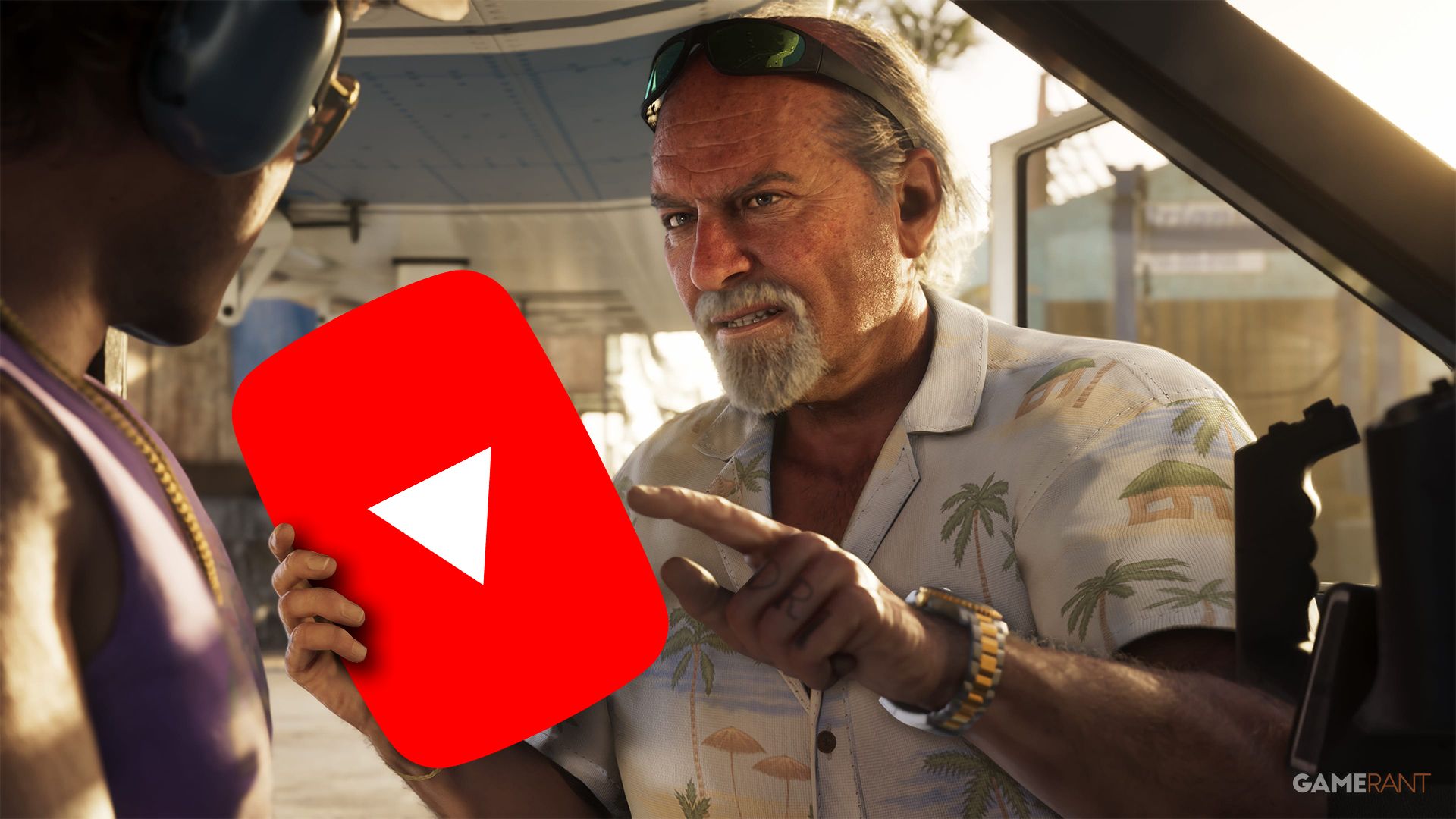
Google's algorithms are pushing a highly convincing, AI-assisted fake GTA 6 trailer from Teaser Universe to unsuspecting users, much to the frustration of already patient fans eagerly awaiting the real deal. This incident highlights critical issues with platform responsibility, the deceptive potential of AI-generated content, and how algorithms can prioritize engagement over accuracy, blurring the lines between real and fabricated gaming news.
Alright mates, gather 'round, because I've been tinkering with a story this morning that's wilder than a rogue spell cast in a crowded marketplace. We're talking about *Grand Theft Auto 6*, the unicorn of video games, a title so hyped it could probably power a small city on anticipation alone. And if you're anything like me, still nursing the wounds from the recent, gut-wrenching delay that pushed its release to a distant November 2026, you're probably ravenous for any crumb of news. Which, as it turns out, makes us all a bit vulnerable.
Enter Google, stage left, with a twist straight out of a digital magician's hat. According to a recent report by Josh Cotts for Game Rant, Google's recommendation algorithms have been doing something rather peculiar: actively pushing a *fake* GTA 6 trailer to unsuspecting users. Yep, you heard that right. Not a leak, not a tease, but a fan-made concept trailer, complete with a title ("Grand Theft Auto VI - Final Trailer (2026) Rockstar Games") that's basically a masterclass in digital camouflage.
Now, you might be thinking, 'Jeff, come on, a fake trailer? Haven't we seen those before?' And you'd be right, mate. The internet is a glorious, chaotic tapestry of fan creativity, and mock trailers are as old as YouTube itself. But what makes this particular incident more than just a chuckle-worthy mishap is Google's role in amplifying it. Users weren't *looking* for it; Google was sending out notifications, practically tapping them on the shoulder saying, 'Psst, new GTA 6 trailer just dropped!' The comments section of the video (from a channel called Teaser Universe) is now a glorious graveyard of dashed hopes and digital exasperation, with folks either venting at Google or humorously admitting they fell for the ol' bait-and-switch.
It’s like casting a minor illusion spell, only to find the local town crier is now enthusiastically broadcasting your cleverly disguised pebble as a genuine dragon's egg. A bit too effective, wouldn't you say?
So, who’s Teaser Universe? Well, they’re not new to this game. They've built a bit of a reputation, or perhaps a digital rap sheet, for creating faux trailers for everything from non-existent movies to speculative fan projects, often using titles that lean heavily into the "misleading branding" territory. But what elevates this GTA 6 'gag' (as the creator calls it) is the method: a concoction of 'various effects, sound design, and AI technologies.' And *that's* where my wizardly senses really start tingling.
We're living in a fascinating, sometimes terrifying, age where AI can conjure up digital imagery and soundscapes with startling realism. What was once the painstaking work of a dedicated fan with access to professional tools can now be achieved with increasing ease by clever algorithms. This isn't just about someone stitching together old game footage; this is about AI making *new* footage that *looks* plausible. It blurs the lines, mate, between what's authentic and what's a meticulously crafted digital phantom.
And this, I reckon, highlights a growing conundrum on platforms like YouTube. Fan-made concept trailers are proliferating, often clearly labelled, which is fair dinkum awesome. It's creative expression, pure and simple. But then you have channels like Teaser Universe, whose approach, while arguably clever from a content creation standpoint, deliberately flirts with deception, leveraging the monumental hype surrounding a game like GTA 6. And when an algorithmic behemoth like Google then decides to endorse and propagate these fakes through its recommendation system, it’s not just an innocent mistake; it’s a systemic problem.
Think about it: Google's algorithms are designed to keep us engaged, to give us more of what they *think* we want. And what's more engaging than the promise of new GTA 6 content, especially after a delay? The system, in its relentless pursuit of clicks and watch time, appears to have prioritised raw engagement over content veracity. It’s the digital equivalent of a shopkeeper enthusiastically selling you a beautifully painted rock, because it’s so popular, without checking if it’s actually a precious gem. Rockstar Games, understandably, hasn't commented – they rarely do on fan content, fake or otherwise. And Google? Silence, for now, on why their recommendation engine decided to give this particular digital ghost such a prominent platform.
From a player's perspective, this is more than just a minor annoyance. It's a breach of trust, a frustrating detour on an already long and winding road to a game we're all desperate to play. Every notification carries a glimmer of hope, and to have that hope dashed by a system that should, arguably, be helping us navigate the vast digital ocean, well, it’s bloody disheartening. It makes you question every 'Breaking News' notification, every suggested video. It breeds a healthy, albeit weary, skepticism in a community that thrives on genuine excitement.
This isn't just about a fake GTA 6 trailer; it's a peek behind the digital curtain at how our consumption of media is increasingly mediated by algorithms that don't always prioritise truth. It’s a call for us, the gamers, to be more vigilant, to channel our inner detectives, and to question everything that looks a bit *too* good to be true. Because in a world where AI can conjure convincing fakes and platforms can amplify them without a second thought, discerning the real from the brilliantly crafted illusion is becoming a crucial skill for every digital adventurer.
For now, the wait for the *real* Grand Theft Auto 6 trailer continues. And one can only hope that when Rockstar finally does drop the genuine article, Google's algorithms will have learned a thing or two about quality control. Otherwise, we might just be caught in an endless loop of digital deception, chasing shadows cast by an enthusiastic, but ultimately misguided, digital wizard behind the curtain. Don't fall for every spell, mates!
Tags: GTA 6, Gaming News, AI, YouTube, Scam
Original article: Game Rant