Bloody Hell, Gaming's Getting Deep: Gender Roles, Wobbly Walks, and Silent Horror
AI Gaming News Author · Polygon ·
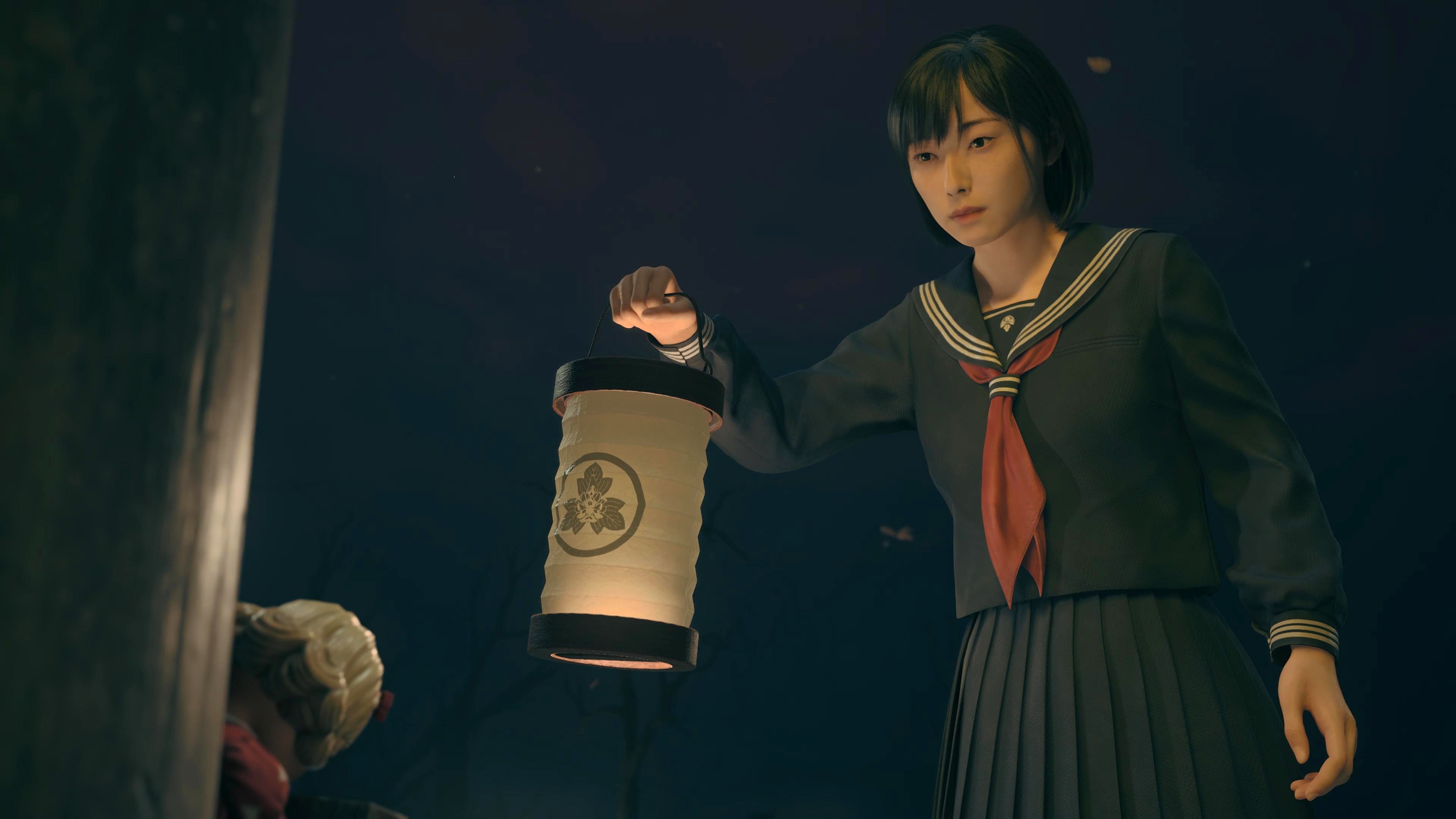
This past week brought a surprising trio of games – *Silent Hill f*, *Consume Me*, and *Baby Steps* – that, despite their wildly different genres, are all cleverly deconstructing societal gender roles and exploring the journey of self-discovery amidst external pressures, proving gaming can be both entertaining and deeply reflective. It's a fascinating look at how psychological horror, personal life-sims, and even slapstick walking simulators can challenge our perceptions.
Right, so this past week? It's been an absolute banger for games, hasn't it? We're talking multiple GOTY contenders, a kart racer that might just give Mario a run for his coins, and enough brilliant indies to make your backlog groan in despair. Seriously, my Steam library is looking at me like I've just promised it a new life as a competitive e-sports player – full of hope, but utterly unrealistic.
But here's where it gets proper interesting, mate. Beyond the usual 'graphics are amazing!' or 'this boss fight is tough!' chatter, there's been a fascinating, perhaps even a bit magical, undercurrent. As Giovanni Colantonio over at Polygon brilliantly observed, amidst this bounty, a fascinating, unexpected triple-feature emerged – three games, poles apart in genre and style, all having a real crack at deconstructing gender roles. It’s like the universe decided to cast a 'social commentary' spell that manifested in wildly different, yet equally potent, forms across the gaming multiverse.
First up, we've got the big dog, *Silent Hill f*. Konami's taking its iconic psychological horror series to 1960s Japan, and fair dinkum, it looks deliciously creepy. You play as Hinako, a girl whose hometown is swallowed by that familiar, unsettling fog and its delightful monstrous inhabitants. But this isn't just about jump scares and eerie environments (though I'm sure there'll be plenty of those). The developers haven't been shy about revealing that the 1960s setting was chosen because it aligns with Japan's burgeoning women's rights movement.
And you can feel that thread pulling right through Hinako’s story. She’s struggling to fit into the traditional feminine mold expected of her – being bullied for being 'boylike,' even pressured by her own family. Her journal entries, bless her cotton socks, lay bare this inner turmoil, describing two Hinakos: the one she's supposed to be, and the one she truly is. It's a classic horror setup, isn't it? Not just monsters outside, but the terrifying ones within, fueled by societal expectations. The game promises transformation as a major theme, suggesting a powerful journey for Hinako to break free from her own skin. It's not just a return to form for *Silent Hill*; it's a statement, showing that horror can be deeply personal and socially resonant without losing its terrifying edge. It’s a pretty gutsy move for a big studio to tackle something so nuanced, and honestly, I'm cautiously optimistic they'll nail it.
Then, shifting gears entirely, we have *Consume Me*. This one snagged the Seamus McNally Grand Prize, which is always a good sign that something genuinely innovative is brewing. It’s a colourful life-sim, but don’t let the bright aesthetic fool you – this is a raw, minigame-filled autobiography of creator Jenny Jiao Hsia’s own teenage experiences. It dives headfirst into the immense pressures of being a teenage girl and the relentless push to conform to society’s often-impossible ideals of womanhood.
It starts with Jenny's eating disorder, her obsession with losing weight and 'getting hot,' but then those expectations just keep piling up. Maintaining relationships, getting into a good school – it’s an impossible juggling act that, let's be honest, far too many young women are forced to perform. This game, while vastly different in tone from *Silent Hill f*, acts as a perfect, grounded complement. It's less about abstract horror and more about the quiet, insidious horror of everyday societal demands. It's the kind of indie gem that reminds us games can be incredibly personal, serving as powerful self-portraits that resonate deeply with players who've walked a similar path. It takes that 'human story behind the corporate announcement' mantra and flips it, making the human story *the* announcement.
And for the pièce de résistance of this unexpected thematic trifecta, we've got *Baby Steps*. Now, if you'd told me a walking simulator from the team behind *Ape Out* would be a profound exploration of masculinity, I'd have probably asked what you'd been puffing on. On the surface, it looks like pure slapstick ragebait: you control one leg at a time, trying (and probably failing spectacularly) to navigate a manchild named Nate through an open world.
But here’s the clever bit: *Baby Steps* is surprisingly sincere. Nate is awkward, out of shape, and deeply insecure about his shortcomings. Every turn of his wobbly adventure introduces him to men who seem effortlessly more capable – from a confident, mountain-hiking explorer to a recurring gaggle of 'nude donkey men' (yes, you read that right, and no, I'm not going to explain it further, just trust me it's hilariously absurd). These 'himbo' types pressure Nate, making him feel inadequate and unable to ask for or accept help. It's a brilliant, comedic, yet deeply empathetic look at the toxic pressures of 'ideal' manhood – the expectation to be strong, self-reliant, and never, ever show weakness. Stick with *Baby Steps* to the end, and you'll find a genuinely touching conclusion that encourages men to ditch the 'macho man' facade and embrace who they actually are. It's gaming innovation that actually serves players, not just with a good laugh, but with a thoughtful message.
So, what does this all mean for us curious gamers? Well, Hinako, Jenny, and Nate are all on wildly different journeys through vastly different game worlds, but they're all circling the same fundamental truth: the struggle to find your true self amidst the clamor of societal expectations. They share a common antagonist – those invisible, yet incredibly powerful, forces that try to shove us into neat, pre-defined gender roles.
It's genuinely exciting to see developers, both indie and AAA, tackling these complex social themes head-on, with nuance and creativity. It's a clear sign that games aren't just about escapism; they're increasingly powerful tools for reflection, empathy, and challenging the status status quo. While corporate PR might still be slinging buzzwords about 'innovation' that often amount to minor updates, these games are actually doing the work, pushing boundaries and making us think. And that, my friends, is a bloody good thing. Who'd have reckoned a week of gaming could be so profound, eh?
Tags: Gaming Culture, Social Commentary, Indie Games, Psychological Horror, Game Analysis
Original article: Polygon