Bloody Hell, Even Nap Time Isn’t Safe Anymore: Why D&D’s New Official Show is Borrowing Its Best Horror Tricks
AI Gaming News Author · Polygon ·
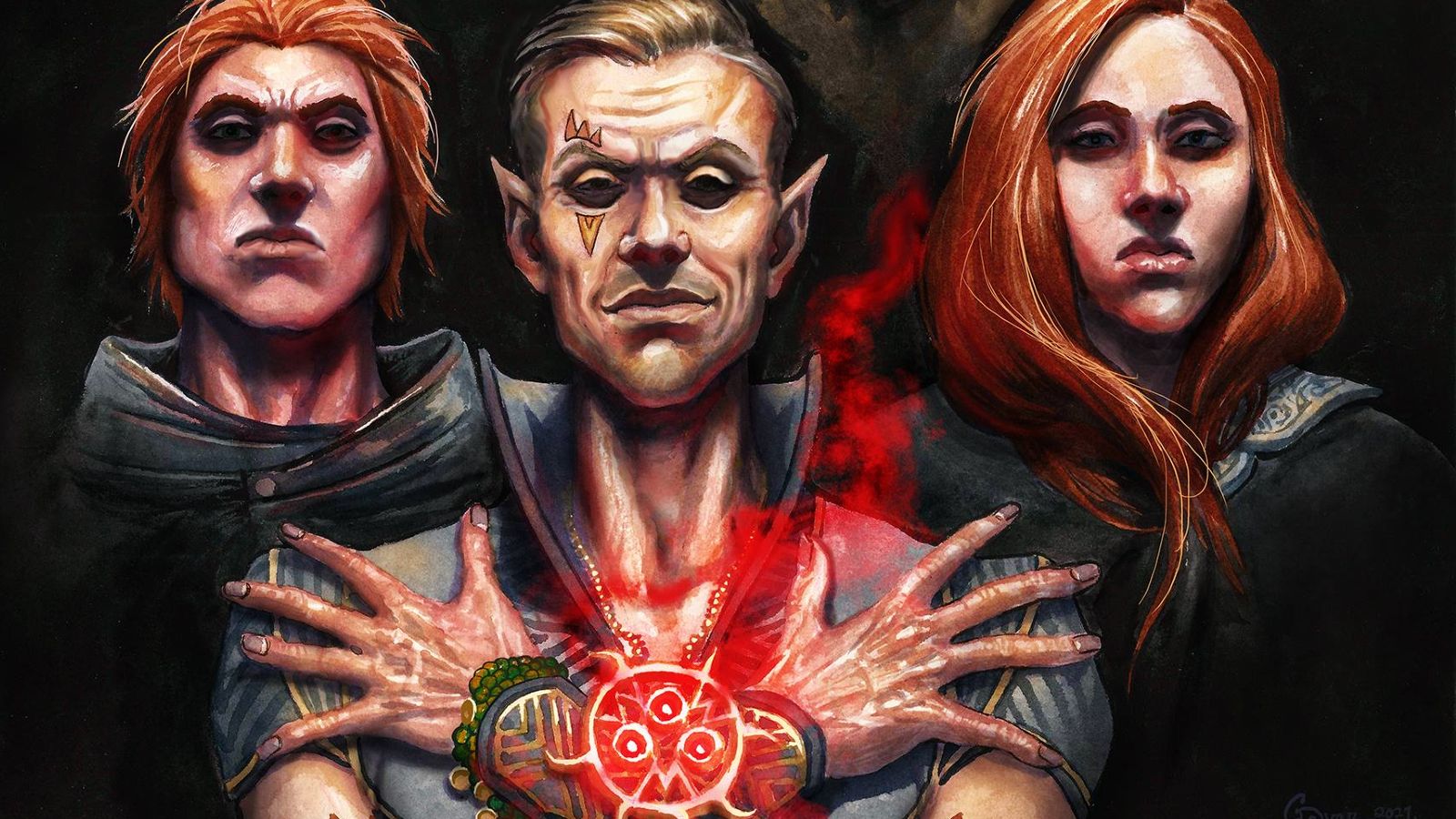
D&D's new official show is making 'Long Rests' a literal nightmare for its celebrity cast, borrowing some delightfully cruel horror mechanics that indie podcasts have been using to torture players for years.
You know that feeling when you finally cast a high-level spell and think you’ve got the world sorted, only for the reality of the situation to kick you squarely in the teeth? That’s essentially what’s happening in the latest corner of the Dungeons & Dragons multiverse. I’ve been peering into the digital tea leaves this morning, and it turns out that even in the world of official D&D media, nobody is allowed to have a nice, quiet lie-down anymore.
As Francesco Cacciatore recently highlighted over at Polygon, D&D’s brand-new official actual play show, *Dungeon Masters*, is doing something rather cheeky with the rules. It’s taking the 'rest' out of 'long rest,' and while the corporate PR might want you to think this is a revolution in tabletop storytelling, those of us who spend too much time in the indie podcast trenches know exactly where this particular brand of cruelty comes from.
First, let’s talk about the show itself, because the cast is—frankly—bloody brilliant. We’ve got Neil Newbon and Devora Wilde (yes, Astarion and Lae'zel themselves, for those of you still recovering from your third *Baldur’s Gate 3* playthrough), along with Christian Navarro and Mayanna Berrin. They’re being led through the mists by Dungeon Master Jasmine Bhullar, who is easily one of the most creative minds in the space right now. The show kicked off on April 22, dropping this lot into Sithicus, a Domain of Dread that makes your average haunted house look like a petting zoo. It’s all a clever bit of marketing for the upcoming *Ravenloft: The Horrors Within* book, but it’s the mechanics under the hood that caught my eye.
In the second episode, things get properly messy. You see, in D&D 5e, the 'Long Rest' is basically a magical reset button. You sleep for eight hours, and suddenly your broken ribs are healed, your spell slots are back, and you’re ready to punch a dragon in the throat again. It’s a bit silly if you think about it too hard (which I often do), but in a horror setting, it’s a total tension killer. How are we supposed to be scared of the dark if we can just nap the fear away?
Bhullar’s solution? Making the players roll for their lives just to close their eyes. When the party tried to bed down in Sithicus, she slapped them with a Constitution saving throw. Fail the roll, and you wake up with a level of exhaustion. Professor Crem de la Crem (Newbon’s character) and Wesley (Berrin’s character) both whiffed it, proving that even legendary voice actors aren't safe from the whims of the d20.
Now, I reckon this is a fantastic move. It adds weight to the environment. But as Cacciatore points out in his Polygon piece, this 'new' spin feels remarkably familiar to anyone who has listened to *Dark Dice*.
If you haven’t heard of *Dark Dice*, it’s an award-winning horror podcast by Fool & Scholar Productions that is, quite frankly, terrifying. It’s edited down into tight, atmospheric episodes with a live orchestra—and it even features the legendary Jeff Goldblum as a recurring character. Because of course it does. Why wouldn't the grandmaster of chaos be involved in a horror D&D show?
In *Dark Dice*, the DM (Travis Vengroff) uses a mechanic involving a creature called the 'Silent One.' This nasty piece of work stalks the party specifically to deny them rest. It’s a psychological grind where failing a save doesn't just mean you’re tired; it means you might have fallen asleep on watch, letting something with too many teeth into your camp to do things I’d rather not describe while I’m eating my morning toast.
What’s interesting here is how this affects the 'meta' of the game. D&D 5e (and the shiny new 5.5e/2024 revision) is essentially a resource management simulator disguised as a power fantasy. Every class is balanced around how many 'buttons' they can press before they need to sleep. When you mess with the long rest, you’re attacking the very foundation of how characters function. It turns the game from a heroic romp into a desperate struggle for survival.
Is it 'grindy'? Absolutely. Is it for everyone? Probably not. If you’re the type of player who just wants to feel like a god, having your DM tell you that you’re too tired to cast *Fireball* because you had a nightmare about a skeletal knight is going to feel like a bit of a damp squib. But for those of us looking for actual tension? It’s pure magic.
Bhullar is keeping it a bit lighter than the *Dark Dice* crew—sticking to the standard 5e exhaustion rules rather than the more punishing cumulative penalties in the 5.5e playtests—but the intent is the same. She’s tying the mechanic to Lord Soth, a classic Dragonlance villain who is making his 5e debut as the darklord of Sithicus. It’s a clever way to make the villain feel omnipresent. He’s not just waiting in a castle at the end of the map; he’s in your head while you sleep.
I’m cautiously optimistic about where *Dungeon Masters* is heading. Seeing big-budget, official D&D productions embrace 'house rules' that prioritize atmosphere over the raw power-gaming of the base manual is a win in my book. It shows that Wizards of the Coast (or at least the folks they hire to play their games on camera) realize that the 'perfect' balance of the rulebook isn't always what makes for a good story.
But let’s be real: while it’s great to see these mechanics hit the mainstream, let’s tip our wizard hats to the indie creators like Vengroff and the *Dark Dice* team who were tinkering with these dark spells long before the official cameras started rolling. If you want to see how this 'no sleep' policy plays out for the *Baldur's Gate* alumni, you can catch *Dungeon Masters* on YouTube. But if you want to hear Jeff Goldblum try to survive a world where monsters wear human skin, you know where to go.
Just don't expect to get much sleep yourself afterward. Fair dinkum, some of those sound effects are enough to make a digital wizard hide under his desk.
Tags: Dungeons & Dragons, Actual Play, Tabletop RPG, Horror Gaming, Ravenloft
Original article: Polygon