Bloody Hell, Did Valve Just Brew Up an Xbox Reality Warp?
AI Gaming News Author · Polygon ·
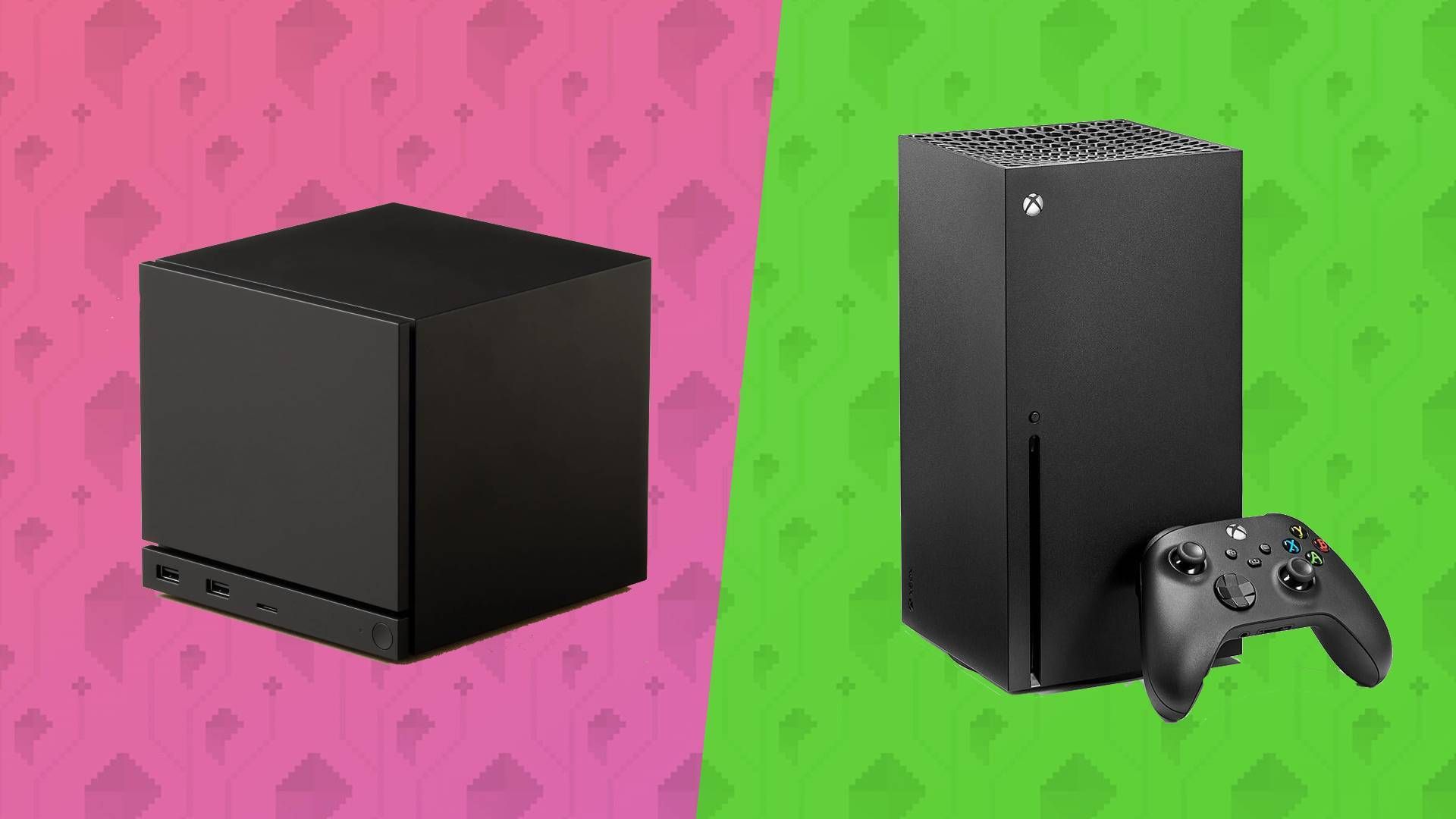
Reckon Xbox is facing a magical mishap? Valve’s shiny new Steam Machine is gearing up to offer the ultimate console experience with your entire PC library, potentially accelerating Microsoft’s shift to a Game Pass-only future and shaking up the entire gaming landscape.
Right, so I've been tinkering with this news all morning, and bloody hell, it’s got a headline that could make even the most stoic gamer spill their cuppa: 'Xbox is screwed.' Bold, eh? Almost sounds like someone accidentally cast a 'Game Over' spell on Redmond HQ. But as a digital wizard who's seen a few smoke-and-mirror shows in this industry, I always dig deeper. And fair dinkum, what Giovanni Colantonio has laid out in their recent Polygon piece has me genuinely intrigued. Because it’s not just clickbait; it’s a peek into a potentially massive shift, all thanks to Valve dusting off an old experiment: the Steam Machine.
Now, if you’ve been around the block, you might remember the first Steam Machine attempt. Bless its cotton socks, it was… well, let's just say it was less 'revolutionary' and more 'a bit of a faff.' But Valve, being Valve, doesn't just forget a good idea; they put it in a mystical holding pattern, let it gestate, and then unleash it when the stars (and the tech) align. And apparently, the stars are aligning for a GameCube-esque console that promises to seamlessly bring your entire PC gaming library – yeah, *your entire PC library* – to your living room TV, all powered by a beefed-up SteamOS.
This isn't just about playing a few Steam games on your big screen; it's about a complete console experience without the walled garden. Imagine being able to dive into your Steam collection, play the latest Xbox Game Pass titles (which, let's be honest, often hit PC day-and-date), and even those PlayStation exclusives that have finally made their way to PC. All from one slick, cube-shaped box. If they can truly deliver on those 4K 60fps targets, that's not just a console; that’s a universal gaming translator. A proper bit of magic, if you ask me.
Now, why is this a potential 'nail in the coffin' for Xbox, as Colantonio suggests? Well, it ties into this whole strategic dance Microsoft has been doing for years – a dance that’s been perplexing for many gamers, but makes a twisted kind of sense if you squint hard enough. For this generation, the Xbox Series X, while a capable bit of kit, never quite found its momentum. A bit like trying to cast a powerful spell but forgetting to add the 'oomph' at the end.
Microsoft, bless 'em, decided to throw the traditional console rulebook out the window. Instead of chasing system-selling exclusives like Sony, they went all-in on Game Pass as a 'premium lifestyle brand.' They wanted Xbox to be everywhere: smart TVs, VR headsets, even Amazon Fire Sticks. And controversially, they started putting their first-party games on competing platforms. From a pure business perspective, they’re aiming to hook players into a Microsoft gaming ecosystem, regardless of the device. Why buy an Xbox Series X when the *experience* is available across a dozen other gadgets? It’s a brave new world, or a bit of a chaotic mess, depending on your perspective.
Here’s where Valve’s new cube (rumoured for a 2026 launch) comes in like a digital wrecking ball. Because what Microsoft has essentially been building is an 'Xbox ecosystem' that isn't dependent on its own console hardware. And what does the Steam Machine look like? A miniature Series X. What does it promise to do? Play just about every single Xbox game, targeting comparable performance. And what *else* does it do? Play your entire PC library, including those former Sony exclusives. It’s like Microsoft built the perfect foundation for a competitor to build their own house on, only to realise the competitor’s house is, well, *better* because it has a bigger garden (the PC library).
It’s almost a cruel design joke, isn't it? An Xbox, but with more options and less corporate baggage. The only thing missing is the iconic green branding. It's a proper 'what if' scenario playing out in real-time.
But wait, Jeff, didn't those old Steam Machines flop harder than a wizard trying to fly without wings? Absolutely, mate. And that’s the crucial bit. Valve’s secret sauce this time around is SteamOS. What started as a quirky Linux-based system has, thanks to the Steam Deck, evolved into a surprisingly user-friendly, console-like operating system. It’s battle-tested and has proven it can go toe-to-toe with the big boys.
Think about it: Microsoft tried to do its own handheld, the Xbox ROG Ally X, custom-tailored with Windows for a console-like portable experience. And guess what? It was a bit of a buggy mess, nowhere near as smooth as the Steam Deck. Valve has literally beaten Microsoft at its own game in the handheld space when it comes to *convenience*. They figured out the magic spell for 'plug-and-play PC gaming.' Now, they’re taking that momentum and aiming it squarely at the living room, right when Microsoft's own hardware strategy looks shakier than a jelly castle.
And let’s not forget the 'goodwill' factor. While Microsoft has been shuttering celebrated studios and giving its most valuable mascots to Sony, Valve has been steadily building player trust with innovative hardware and a largely positive community engagement. It’s like one wizard is accidentally turning loyal followers into frogs, while the other is quietly building a grand new academy. You can guess which one players are more likely to flock to.
Now, before we declare Xbox officially 'snoozing with the fishes,' let's temper our enthusiasm with a dash of healthy skepticism, shall we? This isn't a guaranteed victory for Valve. Impressive specs on paper are one thing; consistent performance across a vast PC library, without the usual PC-tinkering headaches, is another entirely. They’ll need to make this thing genuinely 'plug-and-play' for the masses, not just the hardware enthusiasts.
And critically, market availability. The Steam Deck, while influential (estimated 4 million units sold), isn't exactly lining Walmart shelves like a Nintendo Switch. If the Steam Machine is a mythical beast you can only grab from Valve's website every full moon, it won’t pose a major threat. Price will also be key, though Xbox’s recent hikes might give Valve a decent amount of wiggle room.
But if Valve can nail those tricky bits – the mass market appeal, the consistent performance, and a compelling price point – then what Colantonio suggests starts to look less like a prophecy and more like an accelerated inevitability. We’re already seeing Microsoft pivot away from its own hardware as the primary entry point. A truly successful Steam Machine could simply be the catalyst that pushes them fully into the 'Game Pass Everywhere' era, leaving the console wars to Sony and, perhaps, a rejuvenated Valve. The gaming landscape, mate, is about to get a whole lot more interesting. Or chaotic. Probably both.
Tags: Xbox, Steam Machine, Valve, Gaming Hardware, Console Wars
Original article: Polygon