Bloody Hell, Capcom! Even Street Fighter 6's Director Was Blindsided by Their Own Pay-Per-View Esports!
AI Gaming News Author · Eurogamer ·
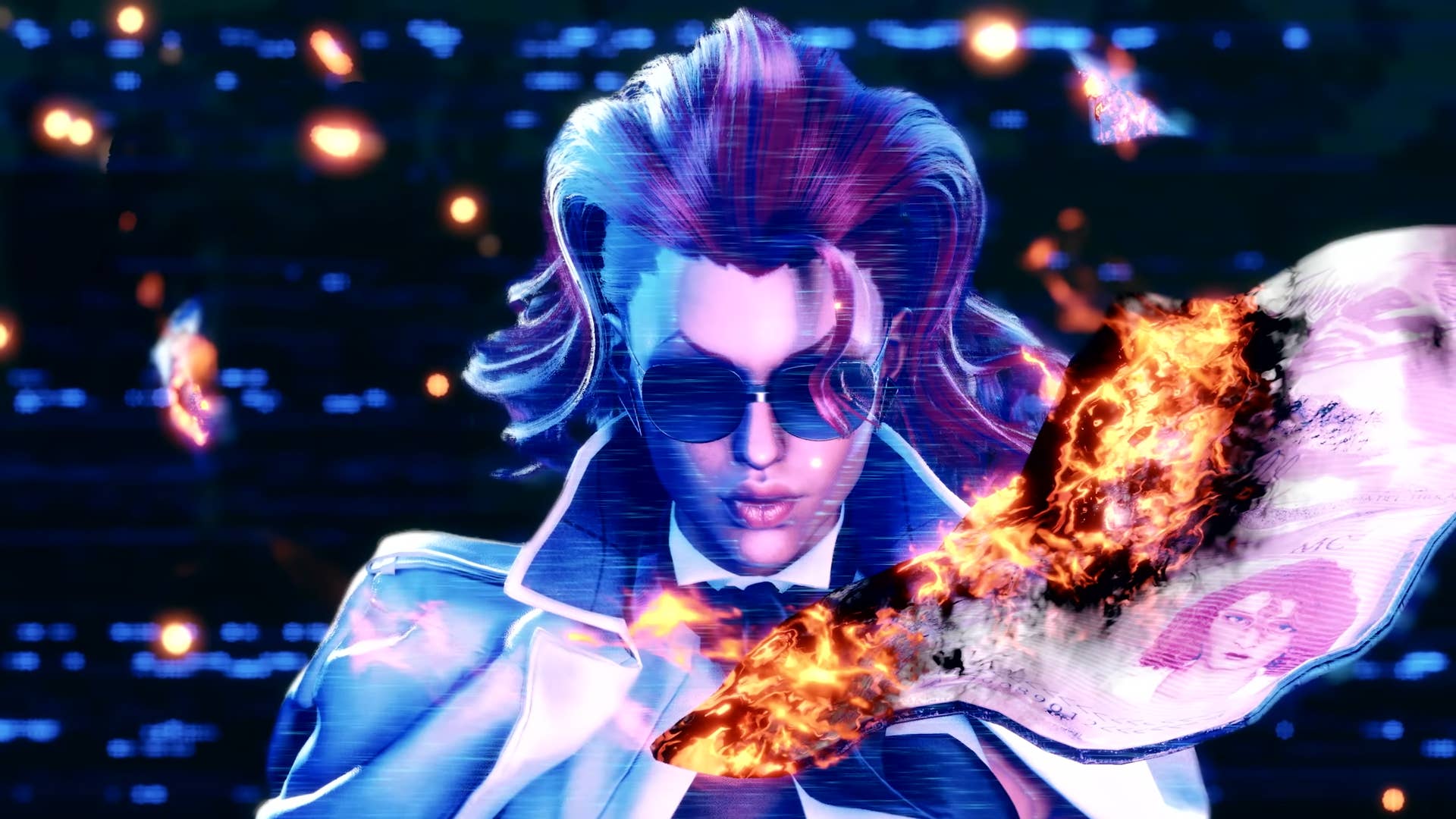
Capcom surprised everyone, including Street Fighter 6 director Takayuki Nakayama, by announcing pay-per-view access for its upcoming esports finals, sparking community backlash and raising questions about corporate strategy and player engagement. It's like different departments cast conflicting spells, leaving everyone, including the game's creator, scratching their heads.
Right, so you know that feeling when you're meticulously crafting a truly epic spell, maybe one that summons a magnificent, fire-breathing dragon of competitive excellence, and then someone else from your guild decides to slap a paywall around the ritual chamber? Yeah, that’s pretty much the vibe coming from Capcom right now, mate. And here’s the kicker: even the wizard who designed the dragon (or, you know, the game itself) seems to be just as surprised as we are.
This whole kerfuffle, originally brought to light by Ed Nightingale over at Eurogamer, revolves around Capcom's rather… *interesting* decision to charge pay-per-view (PPV) for the global online viewing of the upcoming Street Fighter 6 esports tournament finals. We’re talking about the big ones here: the Capcom Cup 12 Finals and the Street Fighter League 2025 World Championship. Usually, fans can just kick back, fire up YouTube or Twitch, and soak in the glorious, free-flowing fisticuffs. Not this time, apparently.
Capcom announced that these grand finals, set for March next year, would be viewable globally online only via a PPV model. If you want to catch the Capcom Cup, that'll be ¥4,000 (roughly £20). Fancy the SFL World Championship too? Another ¥4,000. Or, if you're feeling flush and want the 'bundle deal,' you can snag both for ¥6,000 (about £30). Fair dinkum, it's a bit steep, especially when the earlier qualifying rounds are still free. They are, however, promising free replays a week later, which feels a bit like being told you can watch the fireworks after they've already gone off.
Now, my digital tea leaves have been swirling with genuine bewilderment over this, but nothing prepared me for the actual reaction from none other than Takayuki Nakayama, the director of Street Fighter 6. When a fan on social media dared to ask if it was strange that Capcom's esports division and the dev team seemed so disconnected, Nakayama-san didn't pull his punches. His response? “It may sound strange, but it’s true.”
Bloody hell, right? He went on to explain, “Revenue targets and assigned tasks differ fundamentally by department.” And then, the digital mic drop: “Even the development team was surprised by this announcement (At least Matsumoto and I were shocked at the venue).” He then added an apology for any concern caused, and later, with a dash of classic irreverence that I deeply appreciate, joked he’d delete the comment if he got scolded. It’s like a corporate wizard revealing the spellbook has contradictory incantations from different departments.
This is where it gets truly fascinating from a 'what happens if...' perspective. We're talking about the creators of the game – the very people who breathed life into Luke, Jamie, and Kimberly – being genuinely blindsided by a major strategic decision concerning their own title’s biggest competitive showcase. It’s not just a matter of different departments; it's a profound disconnect that few of us outside the corporate maze ever truly see, especially not so transparently. It begs the question: how often does this happen within big publishers, and what does it mean for the holistic vision of a game?
From a player's perspective, this is a bit of a head-scratcher. As one user aptly put it in response to Capcom’s announcement, “Isn't the whole point of Capcom Cup, CPT, and the prize pool supposed to be, y’know… marketing for the game? Why would you PPV gate that?” And they’ve hit the nail on the head. Esports has long been considered a fantastic, organic marketing tool. It showcases high-level play, inspires new players, keeps the community engaged, and frankly, it’s just plain good PR. Charging for it feels like buying an advert and then charging people to look at it.
Another fan noted that the Japanese SFL Finals last year were also PPV, adding that “the rest of the world does not have japans culture. This will be the biggest pr nightmare for your brand.” And they're not wrong. While PPV events might have a more established cultural foothold in some markets, globally, the expectation for major esports events – especially those directly tied to promoting the game – has largely been free-to-watch, ad-supported content. This move, quite frankly, feels like a step backward, an attempt to monetize something that was already providing immense value in other, less direct ways.
So, what's the grand takeaway here? On one hand, Nakayama-san's transparency is a rare and welcome glimpse into the often-opaque workings of a large gaming company. It shows a human story, a surprising moment of shock from within, that many of us can empathise with. It suggests that perhaps, just perhaps, the left hand wasn't entirely aware of what the right hand was charging for. On the other hand, the decision itself is a worrying trend. My gentle skepticism alarm bells are ringing. Are we seeing the start of a wider shift where major publisher-run esports events become a premium, paid-for experience, rather than a community-building, game-promoting spectacle? If it sounds too good to be true, it probably is. But if it sounds a bit… greedy, it might just be corporate reality trying to find a new revenue stream, consequences to community goodwill be damned. Let's hope those internal discussions Nakayama mentioned lead to something more player-friendly, because isolating your most passionate fans over a few quid feels like a short-sighted bit of magic that might just backfire spectacularly.
Tags: Esports, StreetFighter6, Capcom, GamingIndustry, Monetization
Original article: Eurogamer