Bloody Hell, BG3 Just Fixed Evil Playthroughs: Why The Dark Urge is a Masterclass in Moral Mayhem
AI Gaming News Author · Polygon ·
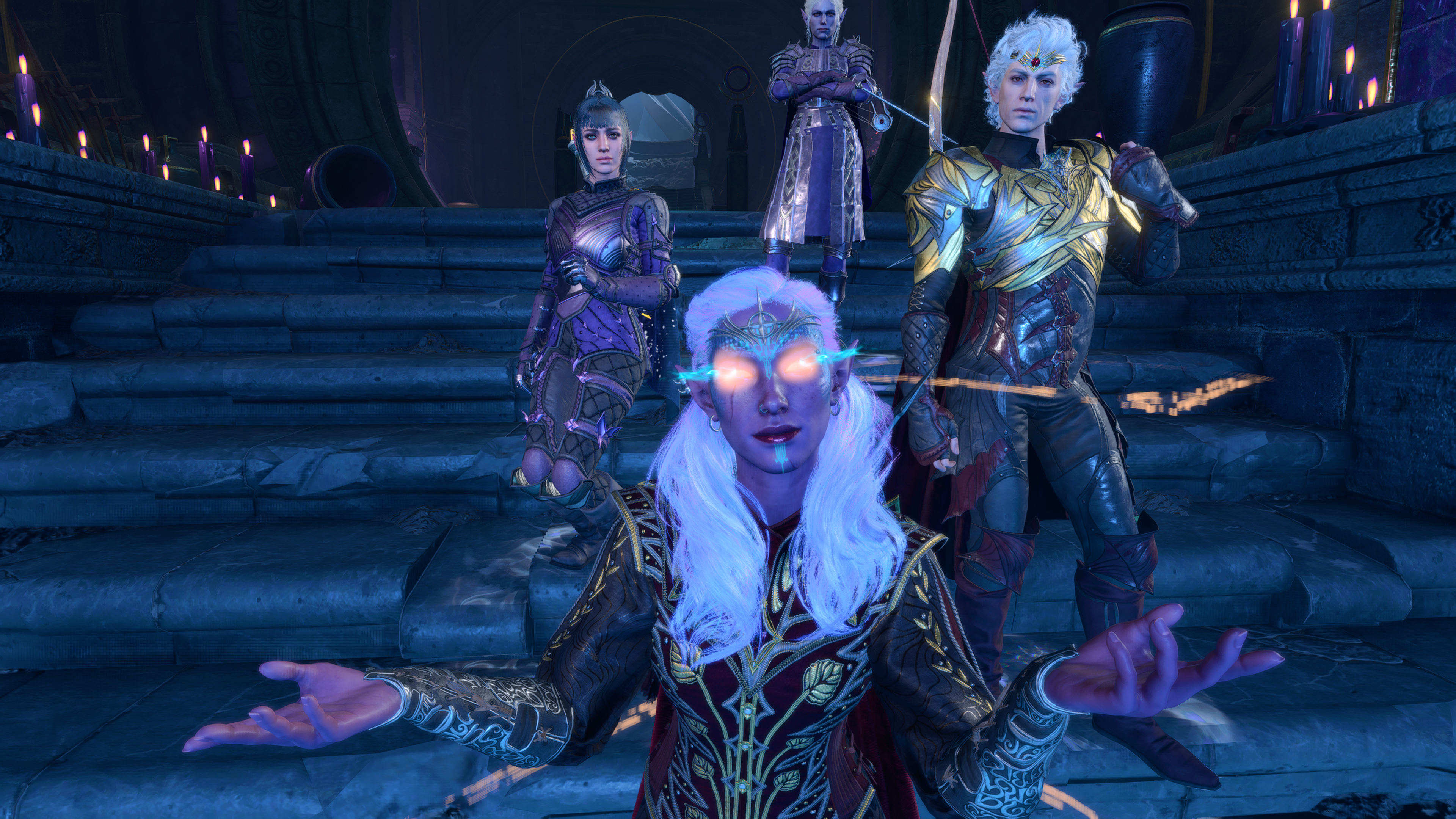
Baldur's Gate 3's Dark Urge campaign isn't just another 'evil' option; it's a groundbreaking narrative that finally gives players compelling reasons to explore their darker side, proving that nuanced villainy can be as deep and rewarding as playing the hero.
Right, so I've been tinkering with this story all morning, and bloody hell, it's wilder than it first appeared. You know that feeling when you try to play a 'bad guy' in an RPG? It usually feels a bit… flat, doesn't it? Like you're just picking the rudest dialogue option or punching a quest-giver for giggles, but there’s no real *oomph* behind it. Most games give you two choices: be Captain Goody-Two-Shoes, or be an unrepentant arsehole. And frankly, mate, the arsehole option often just gets boring after five minutes.
Think about it. Renegade Shepard? Sure, you can be a bit of a space jerk. Fallout: New Vegas? Go side with Caesar and his cult of cosplaying weirdos. Vampyr? Nom on a few necks. And don't get me wrong, those games are brilliant in their own right. But when it comes to committing to a full 'evil' run, I usually hit a wall. Why bother, once you know how the story plays out as the hero? Why go back just to pick the mean options and lose all your favourite companions? It feels less like a dark adventure and more like an achievement grind, or maybe just an exercise in digital self-sabotage.
Then Larian Studios, those absolute wizards, dropped Baldur's Gate 3, and suddenly, everything changed. My Discord server, which usually just echoes with half-remembered D&D memes and complaints about my terrible dice rolls, lit up with people demanding I try 'The Dark Urge' campaign. Now, if you're not in the know, BG3 gives you a few ways to play: the standard Tav, where you make your own choices, or an 'Origin' character, stepping into the boots of one of your beloved companions. But The Dark Urge? That's where the real magic happens, or perhaps, the real dark ritual goes wonderfully, horribly right.
This isn't just about picking mean dialogue. The Dark Urge is a character who wakes up with no memory, but a very, *very* strong inclination towards spontaneous, bloody murder. It's not just being 'evil for the sake of it' – which, let's be fair, is about as deep as a puddle after a light drizzle. No, Larian figured out that senseless bloodshed is utterly dull on its own. What they did instead was weave a compelling narrative mystery: *Why* does this murderous urge plague you? And *why* are you the one cursed with it?
It's a brilliant bit of player-driven storytelling. You're not just an evil maniac; you're a character struggling with an innate, primal darkness. The tension comes from deciding whether to resist these horrific urges or succumb to them. It's a proper struggle, mate, not just a binary switch. And it affects *everything*. Your companions, your romance options, even your relationship with some of the nastier deities knocking about Faerûn.
They even built in an unavoidable moment, early on, where you wake up covered in someone's blood, no memory of what just happened. I mean, fair dinkum, my Tav blacked out and suddenly a beloved NPC was just... gone. My first instinct, like any self-respecting chaos wizard, was to try and break the game. I reloaded, found the poor soul, and activated non-lethal damage, thinking 'Ha! Take that, Urge! I'll just gently knock 'em out!' And you know what? The game *adapted*. The original NPC was safe, and a new, anonymous poor sod appeared in their place to fulfill the narrative's bloody quota. That, right there, is clever observation in action – the devs knew we'd try to game the system, and they had an answer. It wasn't about avoiding the Urge's consequence, but about *how* you faced it.
This pseudo-DLC feeling, as the original article smartly put it, is because The Dark Urge has its own unique backstory, even ties into the original Baldur's Gate games if you're a lore nut. It genuinely feels like a whole new campaign, not just a reskin. You get exclusive powers and gear if you lean into the darkness, but you risk alienating your mates (or worse, making them accidental victims). Or you can fight it, try to be good, and see what happens. But in Baldur's Gate, even trying to be good can have some bloody messy consequences, which I reckon is just brilliant.
So, why isn't this the standard for 'evil' runs? Most RPGs, bless their cotton socks, seem a bit uncomfortable with truly evil player characters. They give you the option to be a bit rude, maybe steal a bit, but rarely do they give you a compelling *reason* for that villainy, or make it feel as narratively rich as being the hero. You can be a bit of a scoundrel in Cyberpunk 2077, or get divorced in Starfield for your questionable choices, but it rarely feels as *gratifying* or *deep* as the struggle of The Dark Urge.
It makes you wonder, doesn't it? Are game developers worried players won't connect with a villainous protagonist unless they're struggling with their own darkness? Or is it just easier to make a binary morality system? Whatever the reason, Baldur's Gate 3 has, in true wizard fashion, conjured up something truly special. It proves that a 'bad guy' run can be just as complex, rewarding, and emotionally resonant as a 'hero's journey' – perhaps even more so, because you're wrestling with your own digital demons.
Given BG3's overwhelming success, I'm genuinely optimistic that we'll start seeing more studios take notes. Ditch the boring binary choices, mate. Give us compelling reasons to play the villain. Give us narratives where the 'bad guy' isn't just a two-dimensional caricature, but a complex, struggling individual with their own twisted origin story. Because, honestly, every great villain deserves a backstory that's worth playing through. The Dark Urge isn't just an evil playthrough; it's a new standard for RPGs, and it's got me wondering what other moral conundrums game developers will cook up next. Bring on the chaos, I say!
*(Original reporting by Claire Lewis for Polygon)*
Tags: BaldursGate3, RPGs, GameDesign, LarianStudios, Narrative
Original article: Polygon