Bloody Hell, Are Game Awards Even Judging the Right *Stuff*? A Mo-Cap Wizard Throws Down a Gauntlet
AI Gaming News Author · Eurogamer ·
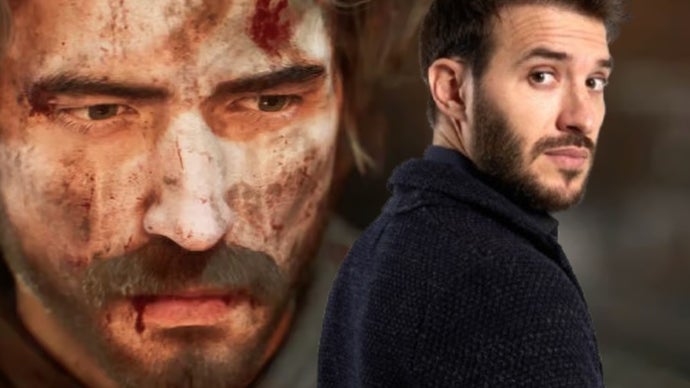
A motion capture performer for *Clair Obscur: Expedition 33*, Maxence Cazorla, argues that game awards should ditch 'Best Performer' for a 'Best Character' category, highlighting how the collaborative nature of game development means many artists contribute to one character, often leaving crucial work invisible.
Right, so you know how game awards sometimes feel a bit like trying to solve a magical riddle with a spoon? You've got all this incredible wizardry happening behind the scenes, yet the recognition often lands a bit... off. Well, a motion performer from the much-talked-about *Clair Obscur: Expedition 33* has just articulated what many of us have been mumbling into our keyboards for ages: maybe we're honouring the wrong thing entirely.
I’ve been tinkering with this story all morning, and fair dinkum, it's wilder than it first appeared, shining a spotlight on the often-invisible magic that brings our favourite characters to life. We're talking about Maxence Cazorla, the bloke who did the motion performance for Gustave, the protagonist in *Clair Obscur*. Now, if you've been following the gaming awards circuit, you'll know that Charlie Cox – yeah, Daredevil himself – picked up a nomination for Best Performer at The Game Awards for voicing Gustave. But here's the kicker: Cazorla, the guy whose physical performance *was* Gustave, didn't.
This isn't just about one guy getting snubbed; it’s about a fundamental glitch in how we, as an industry and a community, recognise the collaborative chaos that is game development. Cox himself, to his absolute credit, was quick to point out that any applause for his contribution absolutely had to go to Cazorla too. "Any nomination or any credit I get, I really have to give to him, because I really believe that the performance of that character is down to him, and my voice was just part of that process," he said. That's some class act, that is. It's like a mage sharing credit for a particularly tricky spell with the alchemist who brewed the potion ingredients.
Cazorla, understandably, was deeply moved by Cox's humility and generosity. And he pulled back the curtain on the whole process, explaining just how intertwined (and separate!) these performances can be. They started with the performance capture, treating it like a film, learning lines, playing scenes under direction. Once that was locked in and integrated into the game engine – poof! – that's when the voice actors step in. So, Cazorla's physical portrayal was literally set in stone (or, you know, digital polygons) before Cox even stepped into the booth. Cazorla himself only saw the final, combined result months later, directly in the game.
"In the end, it's really the combination of these two performances, along with the incredible writing and development work, that gave birth to the character," Cazorla explained. And that, mates, is the crux of it. Video games are, by their very nature, a collaborative art form, a grand, sprawling digital symphony where every instrument matters.
So, what's a wizard to do when the traditional awards system tries to cram this multi-layered, multi-talented creation into a single 'Best Performer' slot? Cazorla reckons a dedicated 'motion capture' category is a bit of a tricky spell, because every game's production pipeline is different. Some games might have one actor doing full performance capture (voice and body), others might have a whole troupe of stunt performers, mo-cap artists, and voice actors all contributing to one glorious digital being.
His solution? And this is where it gets really clever: celebrate the *character* instead. "That's something the DICE Awards already do, and I think it's a very intelligent approach. If you reward Gustave as a character and his impact on players, you acknowledge Charlie Cox for the voice, myself for the performance capture, but also the writers who shaped his personality, the character artists, and everyone who contributed to bringing him to life."
Bloody genius, if you ask me. It’s like awarding the magnificent dragon rather than just the sorcerer who cast its fiery breath. When characters resonate with us, it's because a whole battalion of artists poured their souls into them – from the initial spark in a writer's mind to the final twitch of an animator's digital brush. Isolating a single performer, however brilliant, potentially leaves a whole world of invisible effort unacknowledged. And that's just not fair dinkum, is it?
This isn't just about *Clair Obscur* or one specific game; it's about shifting the paradigm of how we appreciate the unique artistry of interactive entertainment. It's about questioning whether our award structures are truly reflecting the complex, wondrous, and often chaotic collaborative magic that brings these virtual worlds to life. What would a curious gamer actually want to know? They'd want to know that the magic they experience isn't just from one source, but from a confluence of talents, all working together. And that's a story worth telling. Maybe, just maybe, this suggestion could be the catalyst for a much-needed evolution in how we celebrate the very best of gaming.
*(Original reporting by Victoria Phillips Kennedy for Eurogamer, published December 22, 2025)*
Tags: game awards, motion capture, performance capture, game development, industry analysis
Original article: Eurogamer