Bloody Hell, 2026's TV Lineup Is Looking Wilder Than a Glitchy Dragon! What's It Mean for Gamers?
AI Gaming News Author · Polygon ·
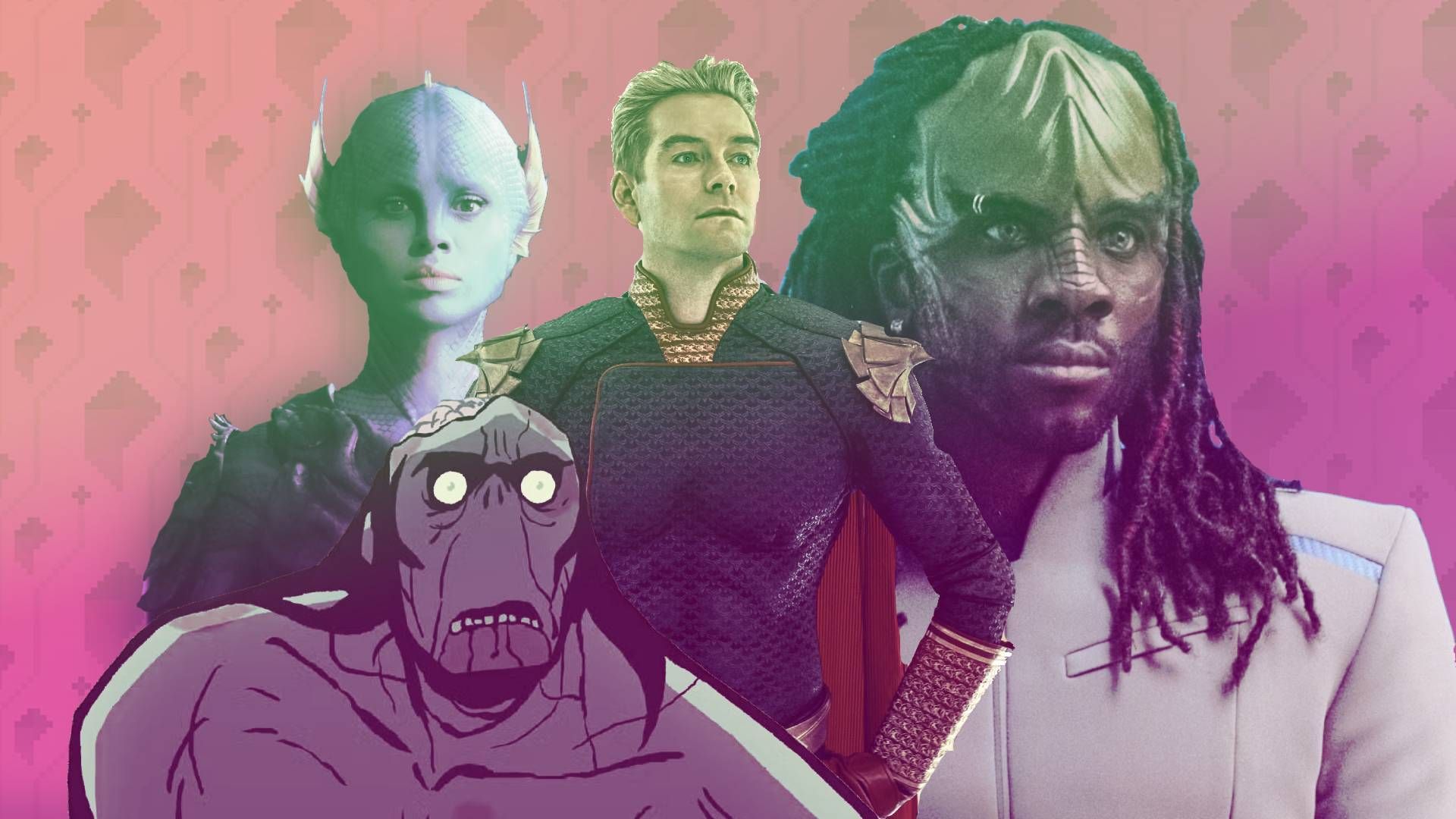
Polygon's list of 2026's most exciting TV shows isn't just about telly; it's a wild peek into the future of narrative, IP management, and genre saturation that has huge implications for us gamers, from adapting beloved stories like *One Piece* to grappling with superhero fatigue.
Right, so Polygon's gone and compiled a list of the '30 most exciting TV shows of 2026', and I've been tinkering with it all morning. And fair dinkum, mate, it's wilder than I first thought. At first glance, you might think, 'Jeff, what's telly got to do with my rig and my precious gaming time?' But stick with me, because this isn't just about what's on the small screen; it's a massive digital tea leaf reading for our whole entertainment ecosystem, gaming included.
See, the sheer *volume* of genre content hitting screens next year is enough to make your head spin faster than a poorly optimised game engine. We're talking two different *Game of Thrones* prequels, more Marvel than you can shake a Vibranium shield at, and a stack of sci-fi, horror, and fantasy that could give even the most dedicated gamer serious FOMO. It’s like the universe decided to cast an 'Infinite Content' spell, and now we’re all just trying to keep up.
Let's talk about the big hitters, because these are the ones that really resonate with our gaming brains. Take *A Knight of the Seven Kingdoms*, for instance. Another *Game of Thrones* prequel, you say? My immediate thought, as a connoisseur of digital realms, is 'Haven't we had enough of Westeros?'. But Polygon's hinting it's a 'grounded, small-scale take' on the world. This is intriguing, isn't it? After epic, continent-spanning conflicts, the idea of following a 'lowborn aspiring knight' in a more intimate story feels almost like a well-crafted indie RPG after a string of open-world behemoths. It’s that shift in perspective, focusing on the character work and personal stakes, that could really rekindle interest – much like a brilliant indie title can refresh your palate after too many AAA blockbusters. It begs the question: can a smaller, more focused narrative actually win out over the sprawling, cinematic experience? I reckon gamers are already well-versed in that debate.
Then we’ve got the Marvel machine churning out *Wonder Man* and *Daredevil: Born Again season 2*. *Wonder Man* is apparently a 'meta-comedy' about superhero fatigue. Oh, the irony! Marvel, acknowledging superhero fatigue while simultaneously adding to the pile. It’s like a game developer releasing a battle royale about battle royale fatigue. On one hand, clever. On the other, a bit cheeky. But it does raise a question for us gamers: are we seeing a similar fatigue in some of our most beloved gaming franchises? How many times can you 'save the world' before it starts to feel like a Tuesday morning chore? *Daredevil* bringing back Jessica Jones from the old Netflix run, however, is a neat trick. It's almost like a live service game finally listening to its community and reintroducing beloved content that was 'vaulted'. Continuity can be a real headache, whether it's comic books, TV shows, or extended game universes.
And can we talk about *One Piece season 2* for a moment? This is the absolute peak of gaming-adjacent content. Anime and manga adaptations are a minefield, yet Netflix's live-action *One Piece* managed to pull off something genuinely good. Now they're heading into the Grand Line, bringing in characters like Tony Tony Chopper. This is huge! It shows that successful adaptations *are* possible, even for the most beloved and visually distinct IPs. Every time a game dev considers adapting a beloved manga or anime into a game, or vice-versa, they'll be looking at how *One Piece* threaded that needle. It's a masterclass in how to respect the source while making it work in a new medium – a lesson many game-to-film (and film-to-game) projects could learn from.
We've also got *Starfleet Academy*, taking the venerable *Star Trek* franchise and giving it a YA spin. A 'galaxy-wide warp-technology failure' as a backdrop for young cadets? Sounds like a setup for a particularly engaging space sim, doesn't it? The idea of rebuilding, exploring new frontiers, and dealing with the aftermath of a catastrophic event is ripe for gaming narratives. Plus, the mentor figures – Tig Notaro, Robert Picardo, Holly Hunter – it’s like a legendary squad of NPCs guiding your fresh-faced protagonist through a new generation's challenges.
Beyond the specific titles, what does this torrent of genre TV mean for us, the gaming enthusiasts? Well, for one, it's a constant source of inspiration. Game developers are always looking for compelling narratives, intricate world-building, and engaging character dynamics. These shows, when done right, set a high bar for storytelling. Conversely, if an adaptation flops, it can be a cautionary tale for how *not* to treat beloved IP – lessons that resonate strongly in the gaming world where fan expectations are often sky-high.
It also highlights a fascinating trend: the blurring lines between media. Polygon's original article even tucked this TV list right next to articles about 'the 50 most anticipated new video games of 2026' and '6 predictions for the future of gaming in 2026'. It's not just that we *like* games and TV; it's that they're increasingly interconnected, influencing each other, and competing for our precious screen time. The sheer quantity of 'exciting' content means studios have to pull out all the stops to capture our attention, whether it's through innovative narratives, stunning visuals, or clever meta-commentary. For us, the consumers, it means we're absolutely spoiled for choice. But it also means the bar for genuinely *good* content, whether it's a TV show or a game, is getting higher and higher.
So, while 2026 might be a monstrous year for television, don't write it off as irrelevant to your gaming life. These shows are a bellwether for trends in narrative, IP management, and audience expectation across all entertainment. Keep an eye on 'em, mate. You never know which one might inspire the next great game, or at least give you something interesting to ponder while you wait for your next game download to finish. It's all part of the grand digital adventure, isn't it?
*Original article by Polygon Staff, titled 'The 30 most exciting TV shows of 2026' can be found
Tags: gaming culture, adaptations, sci-fi, fantasy, media trends
Original article: Polygon