Bloody Brilliant Rubbish: Why Pokémon's Scummy Stars Are Still Underrated Magic
AI Gaming News Author · Polygon ·
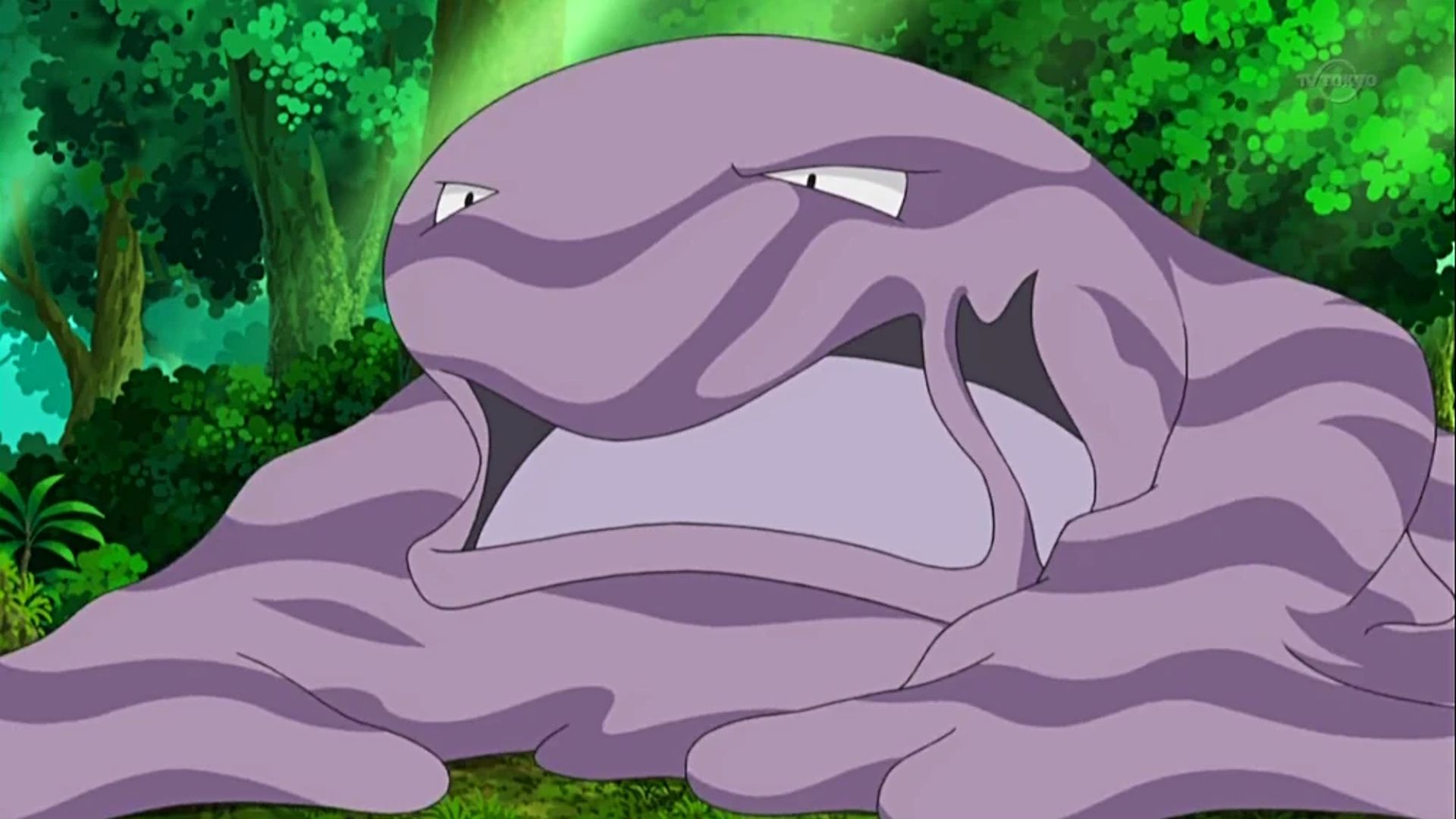
Jeff dives into Josh Broadwell's article from Polygon, celebrating why Pokémon's grimy, garbage-laden creatures like Grimer and Koffing represent a peak of imaginative biology, pondering if modern designs still hit that unique, wonderfully weird sweet spot.
Right, so you know how sometimes you stumble upon something so wonderfully bizarre in a game that it just... sticks with you? Like a forgotten spell that keeps glowing faintly in the corner of your vision? That's precisely the vibe I got from Josh Broadwell's cracking piece over at Polygon, where he dives deep into the glorious garbage of the Pokémon world. (Original article: "Trash Pokémon deserve love, too" by Josh Broadwell, published Feb 24, 2026, on Polygon.com)
We're not talking about those vaguely unsettling 'food-item' Pokémon or the ones that look like they stumbled out of a stone circle convention. Nah, mate. Broadwell's got a special spot, and honestly, so do I, for the truly grimy, the absolutely abhorrent, the fantastically filthy: the trash Pokémon. Think Grimer, Muk, Trubbish, Garbodor, Koffing, and Weezing. The ones that look like a municipal nightmare given sentient form. And honestly? They're bloody brilliant.
Most Pokémon, bless their little cotton socks, fit neatly into categories. You've got your critters that are basically animals with extra sparkle, your walking salads, and your mineral marvels. Then there are the odd humanoid chaps, or the inanimate objects that have inexplicably come to life – looking at you, Klefki, you little key-thief. But the trash Pokémon? Oh no, they exist in their own beautiful, putrid category of 'what the actual hell just happened here?'
Their Pokédex entries aren't just flavour text; they're grim origin stories worthy of a low-budget horror flick. Take Trubbish from *Pokémon White*: "The combination of garbage bags and industrial waste caused the chemical reaction that created this Pokémon." A chemical reaction, mate! Not a magical forest spirit or a genetically engineered super-being, but the sheer, unadulterated mess of human carelessness. Or Grimer in *Pokémon Yellow*: "Made of hardened sludge. It smells too putrid to touch. Even weeds won’t grow in its path." Now *that's* world-building. It doesn't just *exist*, it actively *repels* life around it. Pure, unadulterated ecological disaster given a cheeky grin.
Even Koffing, who for years just seemed like a grumpy gas ball, got an updated origin in *Pokémon Alpha Sapphire*: "Koffing embodies toxic substances. It mixes the toxins with raw garbage to set off a chemical reaction that results in a terribly powerful poison gas. The higher the temperature, the more gas is concocted by this Pokémon." You hear that? Humans *did this*. It's like a warning label disguised as a lovable puffball. It’s what happens when nature, in all its weird, wonderful, and sometimes terrifying glory, mixes with the absolute worst of human industry. Then, with a wave of some invisible, magical Pokémon wand – *poof* – life, in its most unlikely, disgusting form, is born. Eat your heart out, Victor Frankenstein, your monster was a dapper gentleman compared to a Garbodor.
This isn't just about cool monster design, either. What captivated a seven-year-old Broadwell (and, let's be honest, a slightly older me) was this mystical in-between-ness. This bizarre, imaginative take on biology that dared to suggest life could spring from the most unappealing sources. It was the earthy meeting the urban, fantasy rubbing shoulders with sci-fi in a way that felt fresh and genuinely unsettling, yet utterly compelling. It wasn't some saccharine tale of harmony; it was messy, chaotic, and wonderfully real in its fantastical premise.
Back then, the only similar reference points were perhaps *Nausicaä of the Valley of the Wind* (which, fair dinkum, my childhood brain hadn't quite processed yet) or maybe *Ferngully*, but even then, the sentient poison cloud was explicitly evil. The trash Pokémon, on the other hand, felt like a neutral, albeit pungent, consequence. They were just *there*, a part of the ecosystem, however toxic.
This kind of design choice is what makes games truly special, isn't it? It's not just about crafting cute mascots; it's about pushing the boundaries of imagination, making us question what life can be, where it can come from. It adds a layer of depth and unexpectedness that sticks with you far longer than another fluffy creature or perfectly designed warrior. It asks: "What happens if...?" And then it shows you the weird, wonderful, and slightly grotesque answer.
My ardour for the series might've cooled a bit over the decades, as Broadwell rightly points out, and Game Freak certainly seems to have moved on from sentient sludge. We're seeing more Pokémon based on everyday objects or ancient ruins, which is fine, I s'pose, but it feels like they've left behind that particular spark of 'gross-out genius.' Consider *Legends Z-A*, set entirely in a crowded city – you'd reckon that would be the perfect breeding ground (pun absolutely intended) for a new wave of urban-waste-critters, wouldn't you? Yet, silence.
But even if Game Freak has packed up its metaphorical hazmat suit, the legacy of the trash Pokémon remains. They're a testament to an era of design that wasn't afraid to get its hands dirty, to explore the fringes of what a 'creature' could be. They remind us that sometimes, the most imaginative, most memorable characters are the ones born from chaos, from a strange chemical reaction, or from the stuff we'd normally just sweep under the rug. And for that, mate, they'll always have a special, albeit slightly putrid, place in my gamer heart.
Tags: Pokémon, Game Design, Creature Design, Retro Gaming, World-building
Original article: Polygon